Paraguay President Santiago Peña Resigns Amid Ueno Bank Crisis
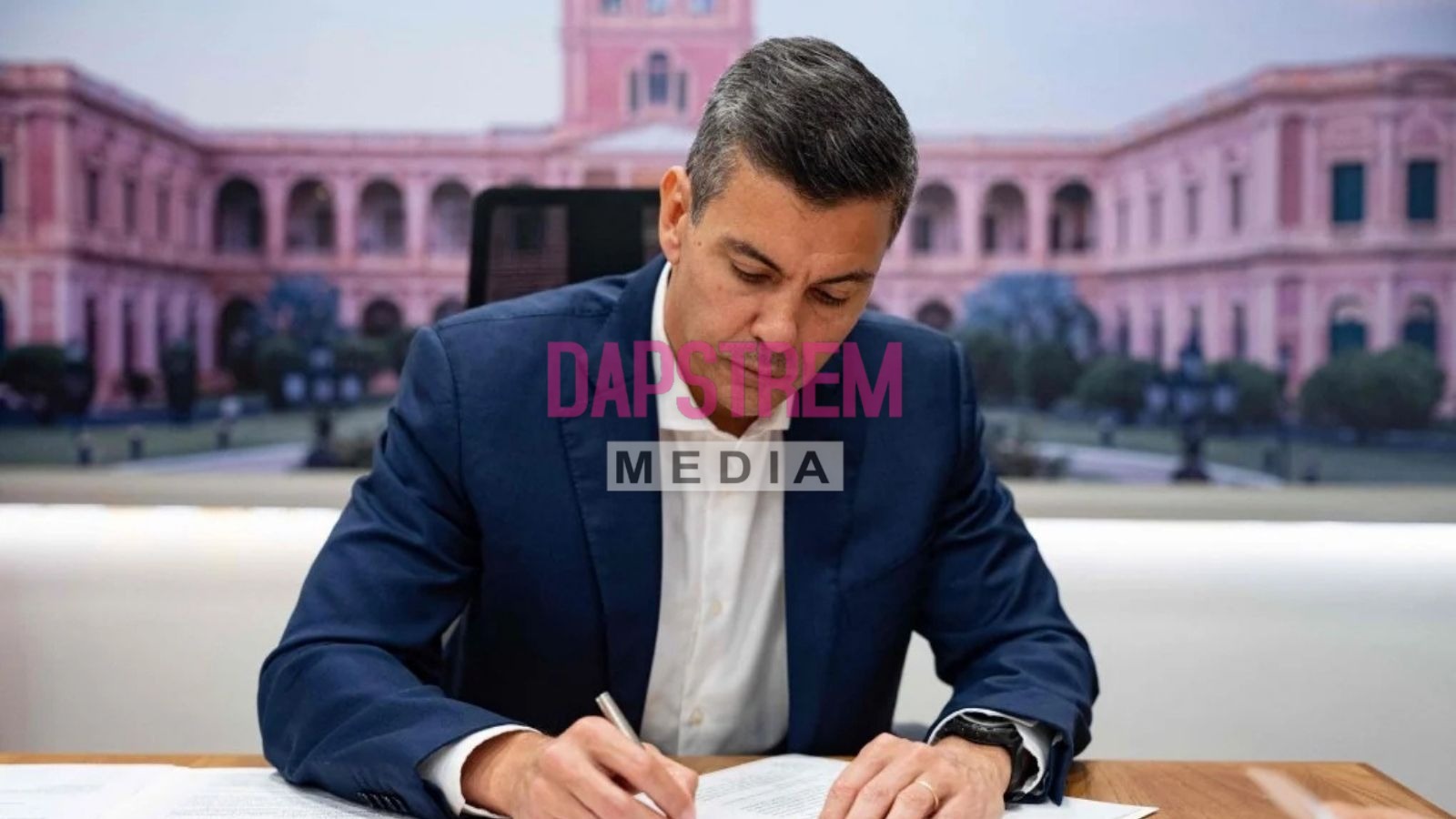
Paraguayan President Santiago Peña has announced his resignation following a major banking crisis that left nearly three million customers unable to access their money after the collapse of digital lender Ueno Bank.
Peña announced his decision on Thursday, November 5, 2026, through a video address, saying he was stepping down in the interest of national stability, social peace and the protection of democratic institutions.
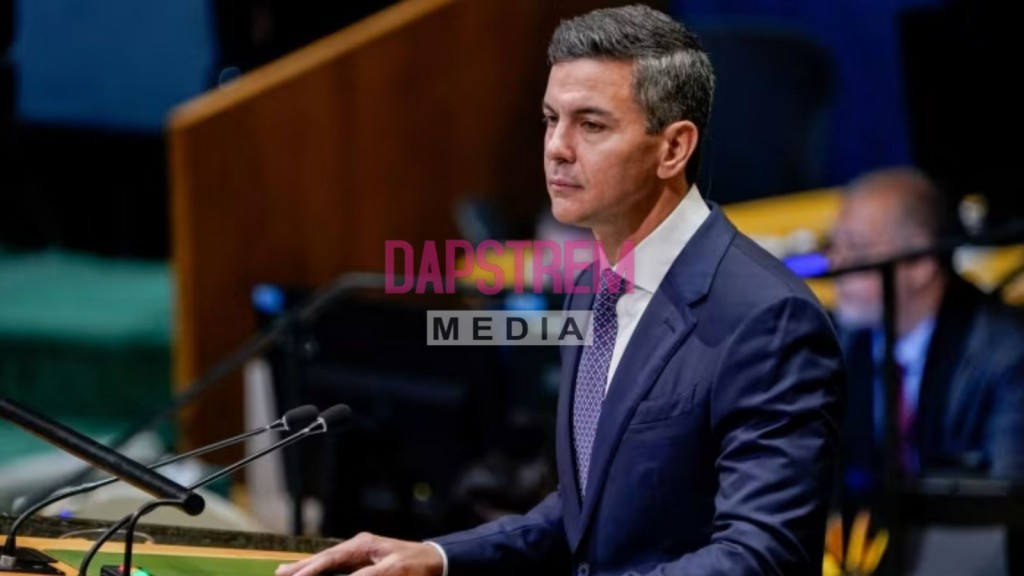
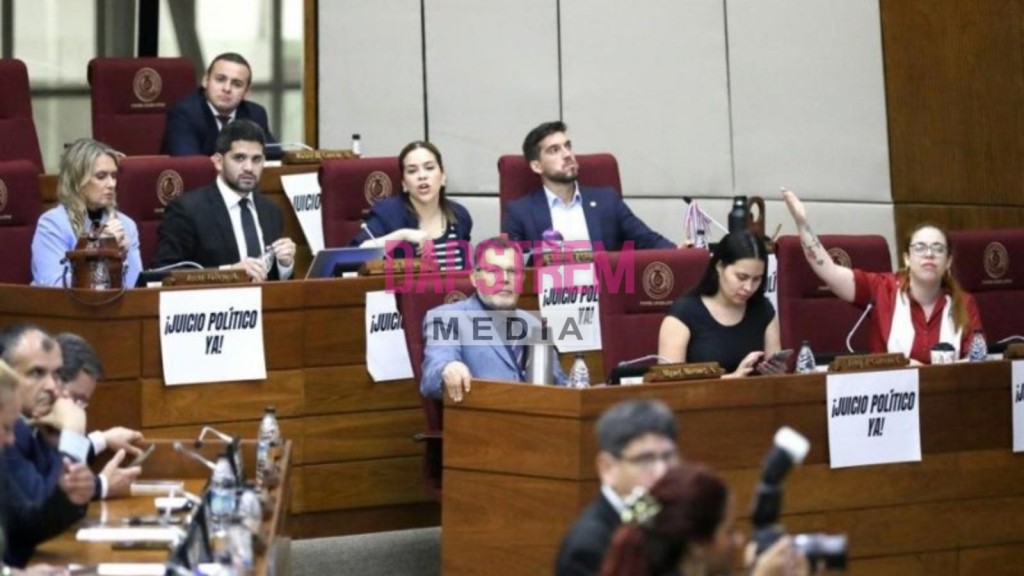
His resignation came as political pressure mounted, with opposition lawmakers and members of his own ruling Colorado Party backing efforts to remove him from office.
The crisis has shaken Paraguay’s financial sector and triggered public protests as affected customers demand access to their savings.
However, the political situation remains unresolved, with lawmakers continuing impeachment proceedings despite Peña’s announcement.
Ueno Bank Collapse Leaves Millions Affected
At the centre of the crisis is Ueno Bank, a major digital lender that reportedly served approximately 2.9 million to three million customers across Paraguay.
The country’s central bank intervened in the institution after discovering that its financial position had fallen below the required solvency levels.
The intervention resulted in the suspension of banking services, leaving customers unable to access their accounts through normal channels.
The bank reportedly held between US$800 million and US$850 million in public funds, including money belonging to state pension and health institutions.
The situation sparked widespread concern, with customers seeking clarity on when they would recover their deposits.
Authorities have been working on measures to protect depositors and facilitate the return of eligible funds.
Peña’s Links to Ueno Bank Under Scrutiny
Peña has faced questions over his previous business connections to the group that controlled Ueno Bank.
The Paraguayan president held shares in Grupo Vázquez, the holding company linked to the lender, until March 2025.

Opposition lawmakers accused his administration of conflicts of interest, questionable handling of public funds and failing to adequately address concerns surrounding the bank’s operations.
Peña has denied wrongdoing and said those responsible for any irregularities should face justice.
The controversy also raised questions about the

government’s oversight of the financial institution, particularly given the significant public funds held by the bank.
The Attorney General’s Office has ordered criminal investigations into aspects of the crisis, including Peña’s connections to the lender and the handling of public resources.
Congress Continues Impeachment Proceedings
Peña’s resignation announcement did not immediately end the political crisis.
On Thursday, Paraguay’s Chamber of Deputies unanimously approved an impeachment motion against him, sending the process to the Senate.
By Friday, November 6, reports indicated that lawmakers had rejected his resignation and were pressing ahead with the impeachment process.
The outcome could affect Peña’s political future and his legal position, particularly because the impeachment process may remove certain protections associated with his office.
Vice President Pedro Alliana is expected to assume the presidency if the resignation is formally accepted or the constitutional succession process takes effect.
The political developments have also exposed divisions within the ruling Colorado Party, which had previously supported Peña’s administration.
Public Protests as Customers Demand Their Money
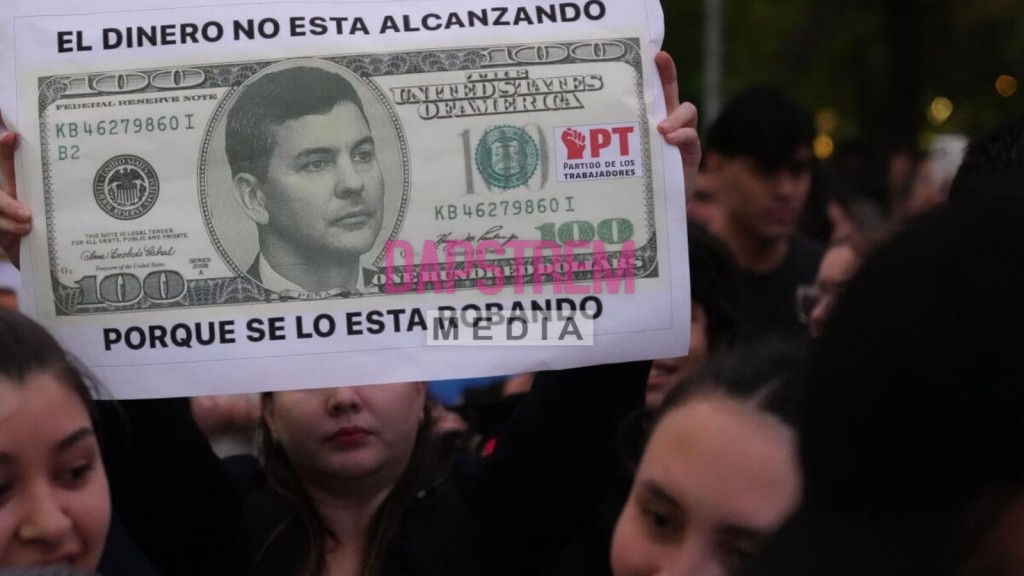
The collapse of Ueno Bank has triggered protests in Paraguay, with customers demanding the return of their savings and greater accountability from those responsible.
The crisis has affected ordinary depositors as well as people whose income and retirement funds were connected to the institution.
Paraguay’s national football players have also expressed solidarity with affected customers, saying some members of the team were among those affected.
Authorities have been under pressure to restore confidence in the country’s banking system and ensure that customers can recover their money.
The situation remains a major challenge for Paraguay, with investigations, financial recovery efforts and political proceedings continuing.
Peña’s resignation has therefore become part of a wider national crisis involving banking oversight, public funds and accountability, while millions of customers await a resolution to their financial uncertainty.