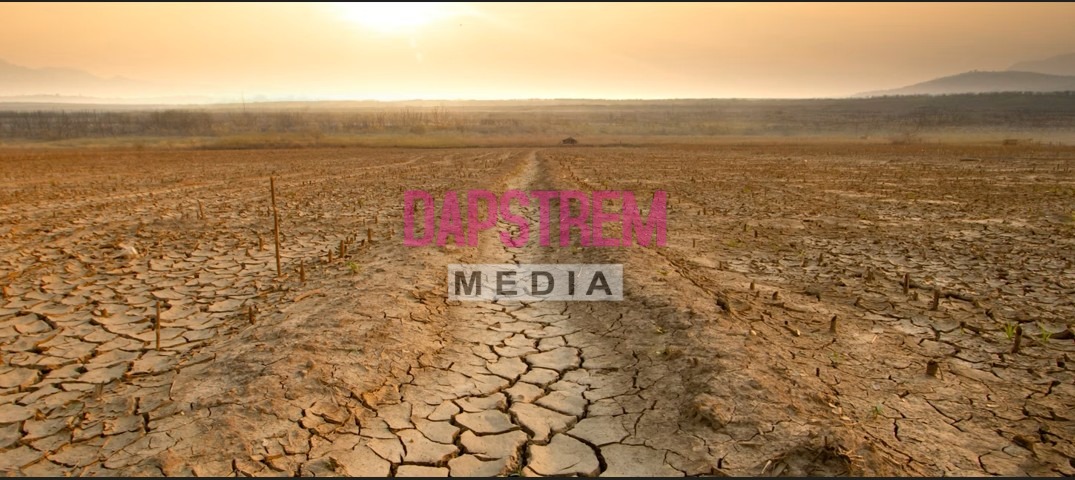
World Faces 2.8°C Warming Despite Climate Pledges as UN Warns of Growing Climate Crisis
The world is facing a potentially dangerous rise in global temperatures despite years of international climate commitments, with a new United Nations report warning that the planet could warm by 2.8°C by the end of the century if governments maintain their current climate policies.
The warning has renewed concerns about the effectiveness of global efforts to tackle climate change, particularly as countries continue to struggle to translate ambitious environmental promises into meaningful reductions in greenhouse gas emissions.
According to the United Nations Environment Programme (UNEP), global temperatures could still rise by approximately 2.6°C even if governments fully implement their existing climate pledges. This suggests that the commitments made under international climate agreements remain insufficient to keep global warming within internationally agreed limits.
The findings are contained in UNEP’s 2026 Emissions Gap Report, titled The Point of Return, which highlights the growing difference between the emissions reductions countries have promised and the much deeper cuts required to prevent increasingly severe climate consequences.
The report comes just days before the United Nations Climate Change Conference, COP31, scheduled to take place in Antalya, Türkiye, from November 9 to November 20, 2026. The summit is expected to bring together world leaders, climate negotiators, environmental organisations and other stakeholders to discuss the future of international climate action.
With global temperatures continuing to rise, the findings have placed additional pressure on governments to strengthen their commitments and accelerate the transition towards cleaner sources of energy.
Climate Pledges Fall Short of Global Targets
For years, governments have made commitments to reduce carbon emissions, protect forests, invest in renewable energy and limit the effects of climate change.
These commitments are largely guided by the 2015 Paris Agreement, which seeks to limit the increase in global average temperatures to well below 2°C above pre-industrial levels while pursuing efforts to restrict the rise to 1.5°C.
However, UNEP’s latest assessment suggests that current efforts are falling significantly short of those ambitions.
The report estimates that existing government policies could put the world on a path towards 2.8°C of warming by 2100. Even under a scenario where countries fully deliver their existing Nationally Determined Contributions (NDCs), global warming could reach approximately 2.6°C.
Nationally Determined Contributions are climate action plans submitted by individual countries under the Paris Agreement. They outline the steps governments intend to take to reduce greenhouse gas emissions and respond to the effects of climate change.
The latest projections demonstrate that simply maintaining existing commitments will not be enough to prevent dangerous levels of global warming.
The findings also indicate that the international community must move beyond announcing climate targets and focus on implementing policies capable of producing measurable reductions in emissions.
For climate scientists and environmental campaigners, the widening gap between promises and action represents one of the biggest obstacles to addressing the climate crisis.
The 1.5°C Target Faces an Increasingly Difficult Future
One of the most concerning findings in the report is that temporarily exceeding the 1.5°C global warming threshold is now considered unavoidable.
The 1.5°C target has become a central part of international climate negotiations because scientists warn that every additional fraction of a degree increases the risks facing people, ecosystems and economies.
Crossing the threshold does not mean that efforts to control climate change have become meaningless. However, it means countries will face increasingly difficult challenges in limiting the damage and eventually bringing global temperatures back down.
UNEP says the extent and duration of the temperature overshoot will depend heavily on how quickly governments reduce greenhouse gas emissions.
The report outlines a pathway that could limit peak warming to approximately 1.7°C to 1.8°C around the middle of the century before temperatures return to or below 1.5°C by 2100.
However, achieving this outcome would require extraordinary reductions in global emissions over the coming decades.
According to the report, greenhouse gas emissions would need to decline by 18 per cent by 2030, 45 per cent by 2035 and 69 per cent by 2040, compared with 2025 levels.
These targets are considerably more ambitious than what current national climate commitments are expected to deliver.
Existing pledges would reduce emissions by only about 5 to 8 per cent by 2030 and 11 to 15 per cent by 2035, leaving a substantial gap between the current trajectory and the reductions required.
The projections underline the urgency of immediate climate action, particularly as countries approach another major international climate summit.
Rising Greenhouse Gas Levels Add to Climate Concerns
The UN warning comes amid growing evidence that greenhouse gas concentrations in the atmosphere continue to increase.
Carbon dioxide, methane and nitrous oxide are among the major greenhouse gases responsible for trapping heat in the Earth’s atmosphere.
These gases are released through activities such as burning fossil fuels, industrial production, agriculture, deforestation and other human activities.
The World Meteorological Organization has estimated that global atmospheric carbon dioxide concentrations reached approximately 426.8 parts per million in 2025. This represents around 53 per cent above pre-industrial levels.
Methane and nitrous oxide concentrations have also reached record levels, adding to concerns about the speed at which the climate system is changing.
Carbon dioxide is particularly important because it remains in the atmosphere for a long time, meaning emissions released today can continue contributing to global warming for generations.
The continued increase in greenhouse gas concentrations demonstrates why governments must reduce emissions rather than rely solely on future promises or technological solutions.
Scientists have repeatedly warned that delaying action makes climate targets more difficult and expensive to achieve.
Climate Change Continues to Threaten Human Health
Beyond rising temperatures, the report highlights a climate crisis with serious consequences for human health and public safety.
Extreme heat has become one of the most visible effects of global warming, exposing millions of people to dangerous temperatures and increasing the risk of heat-related illnesses.
The 2026 Lancet Countdown report estimates that heat contributed to approximately 710,000 deaths worldwide in 2023, with more than 70 per cent attributed to human-caused climate change.
It also found that average annual heat-related deaths increased by nearly 36 per cent in the decade following the adoption of the Paris Agreement compared with the preceding decade.
These findings demonstrate that climate change is not simply an environmental concern. It is increasingly a public health challenge affecting communities, healthcare systems and economies.
Extreme temperatures can cause dehydration, heat exhaustion and heatstroke, particularly among older people, children, outdoor workers and individuals with underlying health vulnerabilities.
Rising temperatures can also worsen existing health conditions and increase pressure on healthcare facilities during periods of extreme heat.
In addition, changing weather patterns can influence the spread of certain infectious diseases, threaten food production and increase the risks associated with water shortages.
The consequences are often more severe in communities with limited access to healthcare, reliable water supplies, adequate housing and other essential services.
Africa Among Regions Facing Serious Climate Risks
Africa remains particularly vulnerable to the effects of climate change despite contributing a relatively small share of historical global greenhouse gas emissions.
Across the continent, millions of people depend on rain-fed agriculture, making livelihoods highly sensitive to changing rainfall patterns, prolonged droughts and extreme weather events.
Countries in the Horn of Africa have experienced repeated drought emergencies that have threatened livestock, agricultural production and access to clean water.
In other parts of the continent, intense rainfall and flooding have destroyed homes, damaged infrastructure, displaced communities and disrupted economic activities.
These events expose the difficulties facing African governments as they attempt to balance economic development with the need to strengthen climate resilience.
Kenya, for instance, has experienced both prolonged droughts and destructive flooding in recent years. These conditions have affected farming communities, pastoralists, businesses and households that depend on stable weather patterns.
For farmers, unpredictable rainfall can result in poor harvests, reduced incomes and higher food prices. Pastoral communities also face serious challenges when drought destroys grazing land and reduces the availability of water for livestock.
Flooding creates another set of problems by damaging roads, bridges, schools and health facilities while increasing the risk of waterborne diseases.
The effects extend beyond rural communities. Urban areas also face growing risks from drainage challenges, rising temperatures, water shortages and pressure on public infrastructure.
As global temperatures continue to rise, African countries will need greater investment in climate adaptation, disaster preparedness, resilient infrastructure and sustainable agricultural practices.
Climate finance will remain essential in helping vulnerable countries prepare for these threats while continuing to pursue economic growth.
Renewable Energy Offers a Possible Way Forward
Despite the worrying projections, the UN report also identifies opportunities that could help the world change its current climate trajectory.
One of the most important developments has been the rapid expansion of renewable energy, particularly solar and wind power.
Renewable energy technologies provide alternatives to fossil fuels such as coal, oil and natural gas, which remain major sources of greenhouse gas emissions.
Solar energy has become increasingly accessible in many countries, while wind power continues to expand as governments and private investors seek cleaner electricity sources.
The growth of renewable energy demonstrates that the transition towards a lower-carbon economy is possible.
However, UNEP argues that the pace of change must increase significantly if countries are to meet the emissions reductions required under the lowest-overshoot pathway.
Governments are being urged to accelerate investments in renewable energy infrastructure, improve energy efficiency and reduce dependence on fossil fuels.
They must also strengthen efforts to protect forests, restore degraded ecosystems and reduce methane emissions.
Forests play an important role in absorbing carbon dioxide from the atmosphere. Their destruction therefore weakens the planet’s natural ability to regulate greenhouse gas concentrations.
Protecting forests and reversing deforestation can contribute to climate mitigation while supporting biodiversity, water conservation and the livelihoods of communities that depend on natural resources.
The report also highlights the importance of expanding existing climate policies that have already demonstrated positive results.
Rather than relying entirely on new commitments, governments can strengthen successful programmes and ensure that climate targets translate into practical action across different economic sectors.
COP31 Faces Pressure to Deliver Stronger Climate Action
The latest projections are expected to shape discussions at COP31, which will take place in Antalya, Türkiye, from November 9 to November 20.
The conference will bring together representatives from countries around the world to assess progress under the Paris Agreement and discuss the next steps in addressing global warming.
The summit comes at a critical moment, with the UN warning that current climate commitments remain insufficient to prevent dangerous levels of warming.
Governments are expected to face renewed pressure to present stronger climate plans, accelerate emissions reductions and provide financial support to countries already experiencing the effects of climate change.
One of the major issues likely to dominate discussions is climate finance.
Developing countries have repeatedly argued that they need greater financial assistance to transition towards cleaner energy systems and protect vulnerable communities from climate-related disasters.
Many of these countries face significant economic challenges and cannot independently finance the large-scale infrastructure required to adapt to rising temperatures.
Climate finance can support renewable energy projects, resilient agricultural systems, flood protection, early warning systems and other measures designed to reduce the effects of climate change.
Another important issue will be the transition away from fossil fuels.
Although renewable energy has expanded rapidly, coal, oil and natural gas continue to play a major role in global energy production.
Moving away from these sources will require significant policy changes, investment and cooperation between governments, businesses and communities.
The conference will therefore provide an important opportunity for countries to demonstrate whether they are prepared to match their climate promises with stronger action.
Governments Urged to Move Beyond Promises
The central message emerging from the 2026 Emissions Gap Report is that the world cannot afford to continue relying on climate commitments that are not matched by sufficient implementation.
While international agreements have helped establish common goals, their effectiveness ultimately depends on the actions taken by individual governments.
Countries must strengthen their climate policies, invest in cleaner energy, protect natural ecosystems and ensure that emissions reductions become a priority across their economies.
The private sector also has an important role to play through investments in sustainable technologies, cleaner production systems and energy-efficient infrastructure.
At the same time, communities must be supported through public education, improved environmental management and access to climate-resilient services.
The challenge is particularly urgent because the effects of climate change are already being experienced across different parts of the world.
Rising temperatures, prolonged droughts, destructive floods and extreme heat are placing increasing pressure on food systems, water resources, public health and economic stability.
The longer governments delay meaningful action, the more difficult it will become to limit the damage.
A Critical Moment for the Future of the Planet
The UN’s latest warning presents a sobering picture of the world’s climate future, with projections suggesting that current policies could lead to 2.8°C of warming by the end of the century.
Even the full implementation of existing national climate pledges would leave the world facing approximately 2.6°C of warming.
However, the report does not suggest that the future is already determined. It argues that faster and deeper emissions reductions can still limit the extent of global warming and create a pathway towards returning temperatures to the 1.5°C threshold by 2100.
The responsibility now rests with governments to strengthen their climate commitments and turn them into practical measures capable of producing measurable results.
As world leaders prepare for COP31 in Türkiye, the pressure will be on them to demonstrate that international climate agreements can deliver more than political promises.
For millions of people already facing droughts, floods, extreme heat and other climate-related challenges, the outcome of these discussions could have consequences extending far beyond the conference halls.
The coming years will be crucial in determining whether the international community can close the emissions gap and protect future generations from the worst consequences of a warming planet.