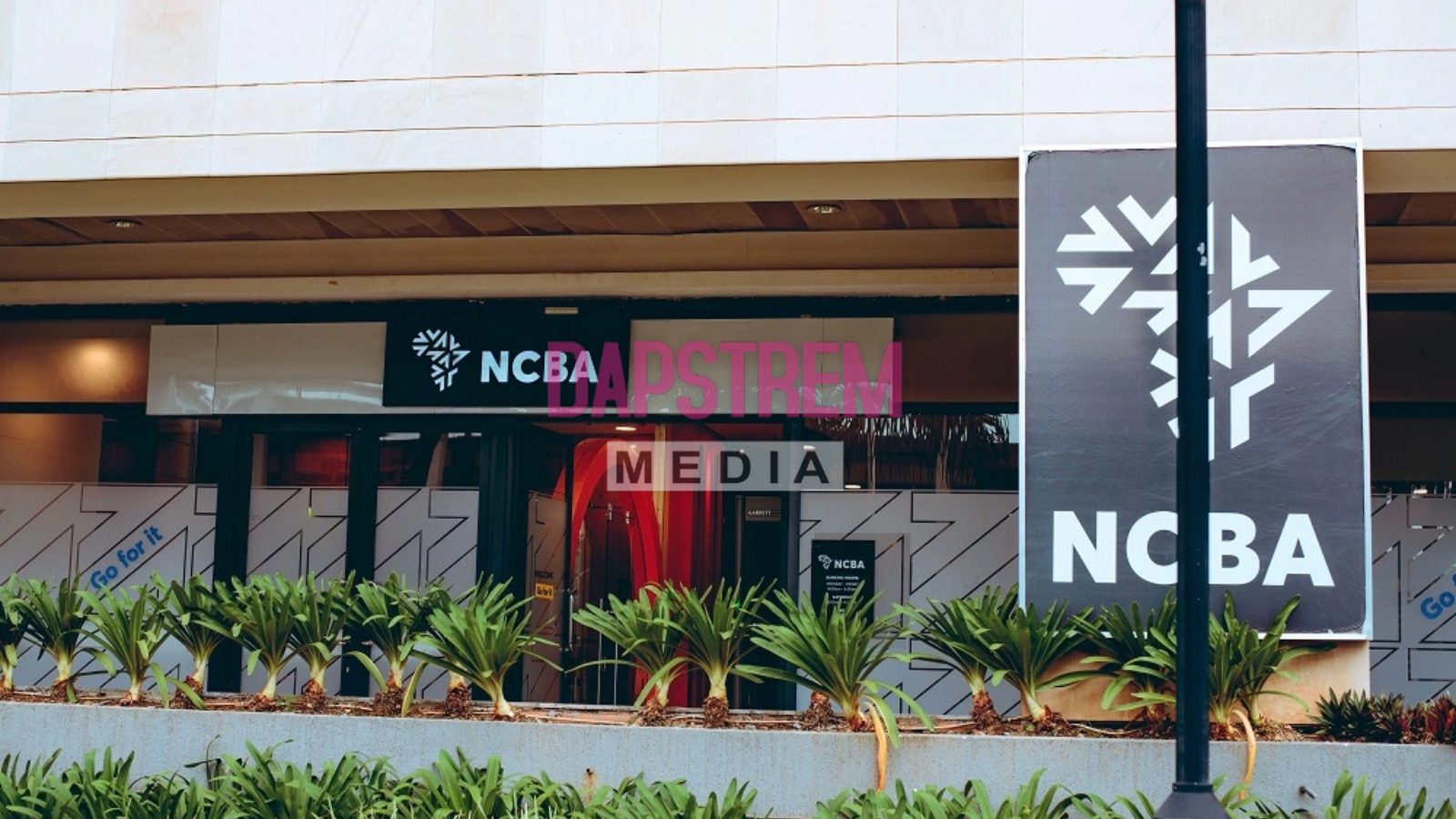
Trading in NCBA Group Plc shares is set to resume on the Nairobi Securities Exchange (NSE) following a two-week suspension linked to South African banking giant Nedbank Group’s acquisition of a controlling stake in the Kenyan lender.
The NSE announced on Tuesday, November 3, that it had lifted the suspension, which took effect at the close of trading on October 21, to facilitate the transfer of approximately 66 per cent of NCBA’s issued ordinary shares to Nedbank.
However, investors will have to wait for the completion of a scheduled block trade before normal trading resumes, as the exchange temporarily halted transactions on Tuesday to facilitate the transfer of shares to the new majority shareholder.
In its notice, the NSE said the temporary halt was necessary to facilitate the orderly execution and settlement of the acquisition through its Block Trade Board.
The transaction marks a major development in Kenya’s banking sector, bringing one of the country’s leading financial institutions under the control of a major South African banking group.
How the Sh110 billion deal is structured
Nedbank’s acquisition involves approximately 1.087 billion NCBA shares, representing 66 per cent of the lender’s issued share capital.
The transaction, valued at approximately Sh109.6 billion, became unconditional after receiving the necessary regulatory approvals and meeting the conditions of the takeover offer.
Under the agreement, shareholders accepting the offer are entitled to receive consideration through a hybrid payment arrangement comprising 80 per cent in Nedbank shares and 20 per cent in cash.
The share exchange was structured at approximately 4.02994 Nedbank shares for every 100 NCBA shares accepted, with the cash component determined under the offer terms.
Nedbank will consequently take control of NCBA, while the remaining 34 per cent of the Kenyan bank’s shares will continue to be held by public investors.
According to NCBA, the share transfer is scheduled to be executed through a block trade on the NSE on November 3, with settlement and dispatch of shareholder payments beginning the same day.
NCBA to remain listed on the Nairobi Securities Exchange
Despite the change in ownership, NCBA will retain its listing on the Nairobi Securities Exchange, meaning minority shareholders will continue to have an opportunity to trade their holdings once normal trading resumes.
The development is significant for Kenya’s capital markets, as it demonstrates how a major acquisition can change corporate ownership without necessarily resulting in a company’s delisting.
Before the suspension, NCBA shares closed at Sh85.75 on October 19, the last trading day before the freeze.
Investors who accepted Nedbank’s offer will receive their agreed consideration, while those retaining their shares will remain minority shareholders in the restructured bank.
What the acquisition means for NCBA
For Nedbank, the acquisition provides an entry point into East Africa through an established financial services group with operations across several African markets.
NCBA operates in Kenya, Uganda, Tanzania, Rwanda and Ivory Coast, with a regional customer base exceeding 60 million, according to the group’s corporate announcement.
The South African lender expects the partnership to strengthen cross-border banking, trade financing, investment and regional business opportunities.
NCBA Group Managing Director John Gachora has described the transaction as an opportunity to expand the bank’s regional footprint and introduce more sophisticated financial products.
The bank has also assured customers and employees that its brand, Nairobi headquarters, local leadership, branches and existing banking services will remain unchanged following the acquisition.
For investors, the immediate focus will be on the completion of the share transfer, settlement of the takeover consideration and the return of normal trading on the NSE.
Nedbank’s entry into NCBA therefore represents more than a change in shareholding. It marks a significant shift in the ownership of one of Kenya’s major banking groups, with potential implications for regional competition, investment and the country’s financial services industry.