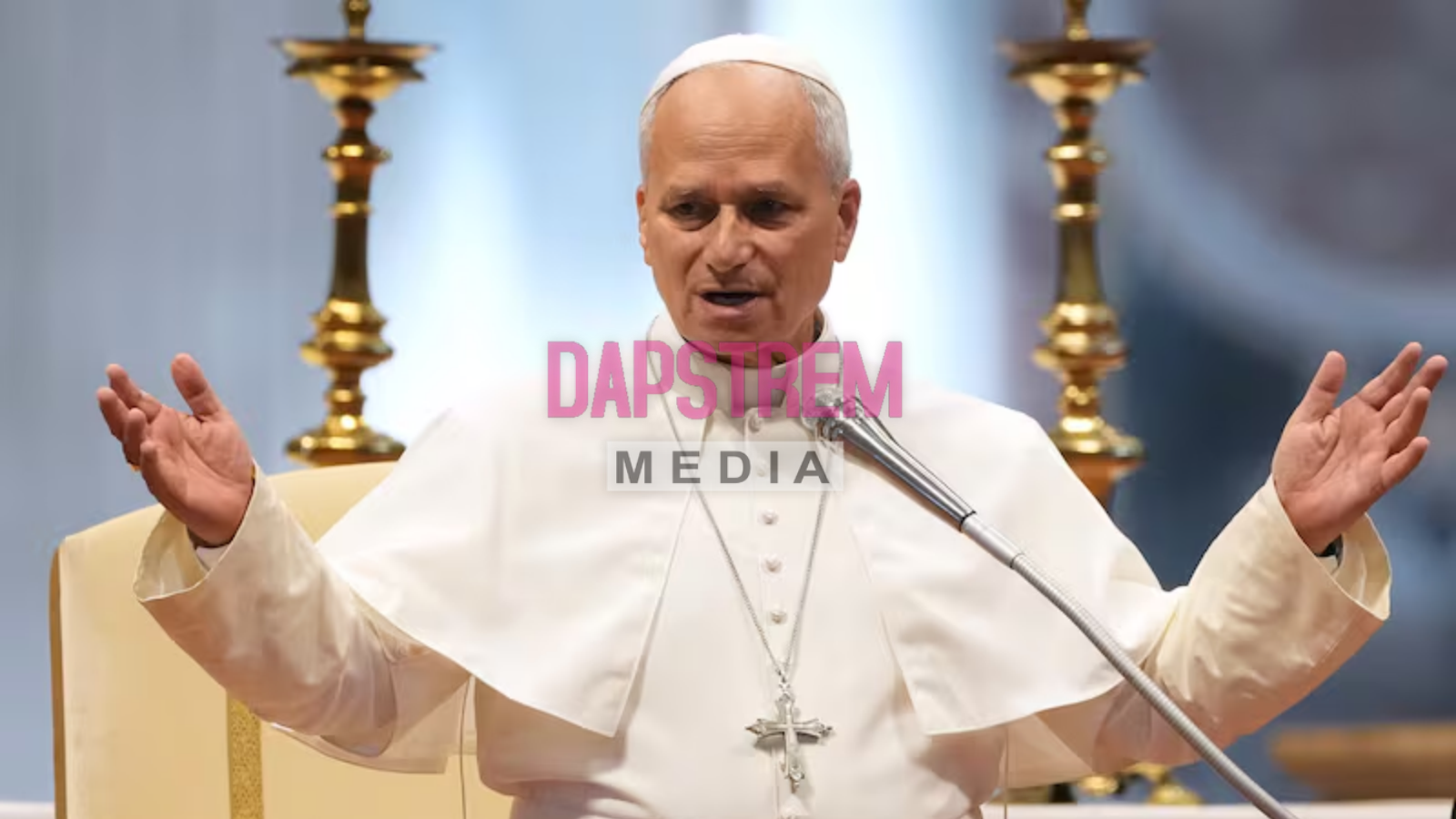
Pope Leo XIV’s upcoming visit to Argentina is being viewed as a moment of consolation for millions of Catholics in the country, whose late former leader, Pope Francis, never returned to his homeland during his 12-year papacy.
The US-born pontiff is scheduled to visit Argentina from November 8 to 11 as part of his first major apostolic journey to Latin America, which will also take him to Uruguay and Peru.
His arrival is particularly significant because Argentina has not welcomed a reigning pope since John Paul II visited in 1987.
Francis, born Jorge Mario Bergoglio in Buenos Aires, made history in 2013 when he became the first pope from Latin America. However, despite visiting several countries in the region, he never made a papal trip to Argentina before his death in 2025.
His absence left many Argentines disappointed, particularly those who had hoped to welcome the first pope from their country.
Why Pope Francis never visited Argentina
Francis’ decision not to return home as pope attracted considerable speculation throughout his pontificate.
One widely held explanation was that he wanted to avoid being drawn into Argentina’s deeply divided political environment.
During much of his papacy, the country was governed by the centre-left Peronist movement, whose political identity had become closely associated with the country’s economic and social divisions.
A visit by Francis risked being interpreted as an endorsement of particular political leaders or movements, potentially undermining his efforts to maintain neutrality.
Current President Javier Milei has also suggested that Francis avoided visiting because of the potential political consequences.
Milei, who previously criticised Francis over his views on capitalism and economic inequality, has acknowledged that a papal visit could have triggered significant political controversy.
Francis himself maintained that although the papacy inevitably involved political questions, he did not want to become involved in party politics.
Leo’s visit brings renewed excitement
For many Argentines, Pope Leo’s arrival offers an opportunity to reconnect with the Vatican through a leader who also has strong ties to Latin America.
His connection with the region has helped him establish a relationship with Latin American Catholics, many of whom see continuity between his leadership and Francis’ emphasis on social justice and care for disadvantaged communities.
Buenos Aires Archbishop Jorge García Cuerva has cautioned against treating Leo’s visit simply as a continuation of Francis’ unfinished journey.
He has described the trip as an opportunity for the Church to address divisions within Argentine society, particularly between wealthy and poor communities and between opposing political groups.
Meeting President Milei amid economic difficulties
Leo’s visit will take place against the backdrop of significant economic challenges in Argentina.
President Milei has introduced sweeping austerity measures, spending reductions and deregulation policies in an effort to address years of economic instability and high inflation.
However, the measures have attracted criticism from the Catholic Church over their impact on vulnerable populations, including poor families and people with disabilities.
Like Francis, Leo has repeatedly emphasised the importance of protecting the poor and marginalised.
His planned meeting with Milei will therefore attract considerable attention, particularly over whether the two leaders address the social consequences of the government’s economic programme.
Milei is expected to welcome the pontiff when he arrives from Uruguay on November 8.
A historic visit after 39 years
During his three-day stay, Leo is expected to celebrate a major open-air Mass in Buenos Aires before travelling to Córdoba and the Basilica of Our Lady of Luján, one of Argentina’s most important Catholic pilgrimage destinations.
The visit is expected to attract large crowds of worshippers eager to see the new pontiff.
It also comes at a time when Catholic identification is declining in several Latin American countries, despite the region remaining home to the world’s largest Catholic population.
Church leaders hope the visit will strengthen religious participation and renew the relationship between younger generations and the Catholic Church.