At least three Kenyans have been killed and 20 others injured following violent clashes in Ethiopia’s border town of Moyale, as fighting between rival regional forces continues to threaten communities on both sides of the Kenya-Ethiopia border.
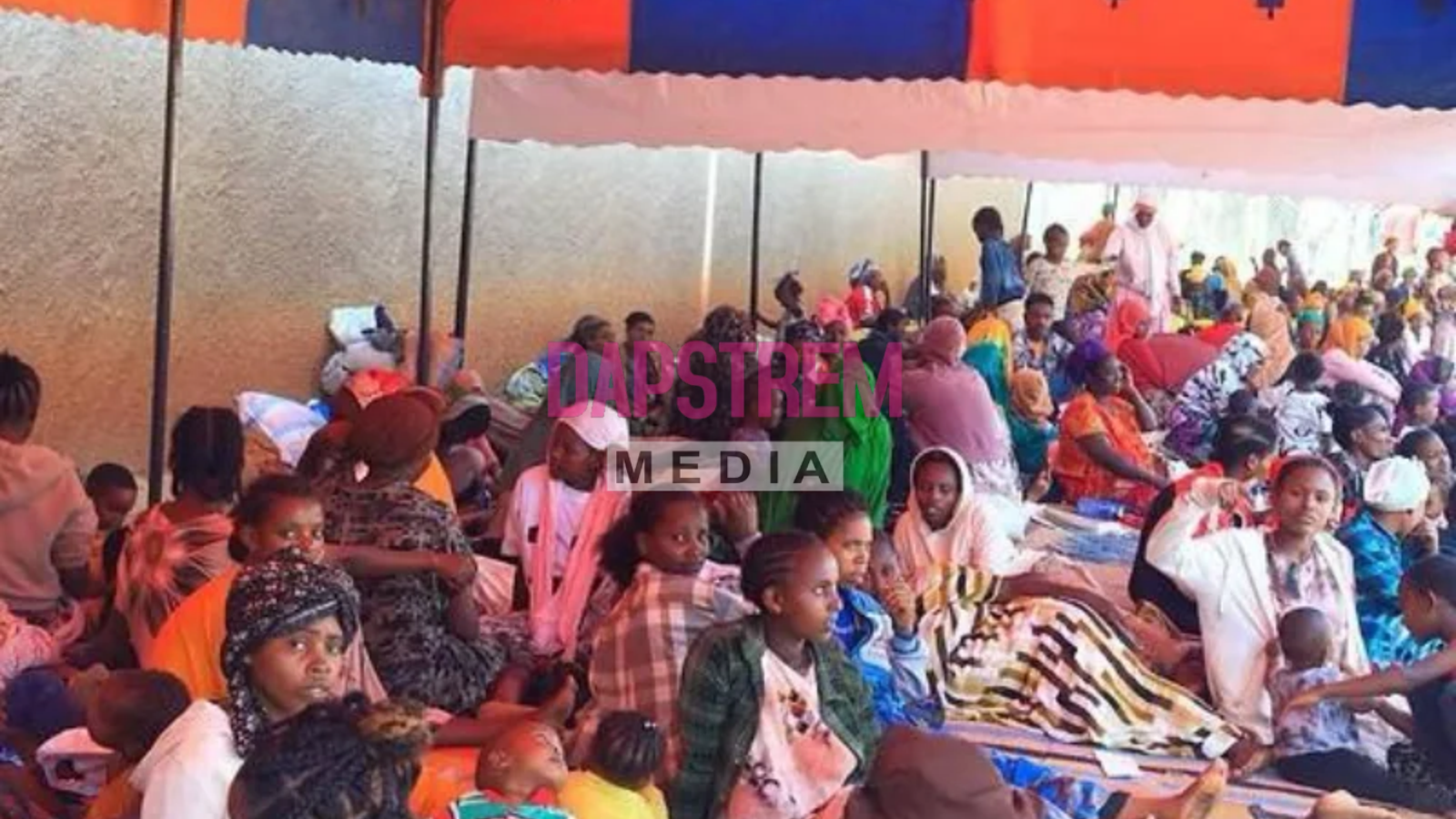
The violence, which has triggered a major humanitarian crisis, has also forced tens of thousands of Ethiopians to flee into neighbouring Kenya, with Marsabit County bearing the greatest impact.
The latest reported Kenyan casualty is Amina Guchi, who was killed on November 2 after being struck by what is believed to have been a stray bullet while speaking to a security official near the Marsabit County offices in Moyale.
She was rushed to Moyale Sub-County Referral Hospital but was pronounced dead on arrival. A postmortem examination was subsequently conducted before her body was released to her family.
The incident has heightened fears among residents, who are increasingly concerned that fighting across the border could expose Kenyan communities to further danger.
The fighting is linked to a longstanding territorial and administrative dispute between Ethiopia’s Oromia and Somali regional states.
Tensions escalated on October 18 after the Somali regional administration reportedly opened an administrative office and raised its regional flag in an area also claimed by Oromia.
The dispute triggered protests and confrontations between rival communities and security forces.
The situation deteriorated further following the killing of a 13-year-old Oromo girl, Diqqoo Jaataan Aagaa, during an exchange of gunfire.
According to conflict-monitoring organisation ACLED, clashes subsequently spread across several locations, involving Somali regional police, Oromia regional police and armed groups.
The fighting intensified from October 22, with reports of heavy weapons being used and civilians caught in the violence.
More than 50,000 Ethiopians flee into Kenya
The conflict has triggered a significant displacement crisis, with more than 50,000 Ethiopians reportedly crossing into Kenya in search of safety, according to figures cited by humanitarian agencies and local reports.
Most of those fleeing are women, children and young people.
Many have sought shelter in Moyale and surrounding communities, placing considerable pressure on already stretched public services.
The Kenya Red Cross and other humanitarian organisations have been providing food, shelter, medical assistance and essential household supplies to displaced families.
However, the growing number of arrivals has raised concerns about shortages of clean water, food, healthcare facilities and adequate accommodation.
Marsabit County leaders have appealed to the national government and development partners to increase humanitarian support.
The fighting has also disrupted education in the border region.
Two schools, Sessi Mixed Secondary School and St Mary’s Mixed Secondary School, were relocated to safer locations following security concerns.
The developments have affected the ongoing 2026 Kenya Certificate of Secondary Education examinations, forcing education officials to make alternative arrangements for candidates.
Residents have also reported hearing gunfire from the Kenyan side of the border, while unexploded explosive devices have raised additional safety concerns.
Security officers recently safely detonated rocket-propelled grenades discovered near Sessi Primary School.
Government and humanitarian agencies face growing pressure
The unfolding crisis has placed additional responsibility on Kenyan security agencies to protect border communities and prevent further spillover.
Marsabit County Commissioner Stanley Kamande has previously confirmed the impact of the violence on Kenyan territory, including injuries caused by suspected stray bullets.
Meanwhile, Marsabit Woman Representative Naomi Jillo Wako has appealed for urgent government and humanitarian intervention, warning that local communities cannot manage the growing humanitarian needs alone.
Health facilities have also experienced increased demand, with displaced families requiring medical attention and maternal healthcare services.