DPP Orders DCI to Investigate Eastleigh Building Collapse Amid Questions Over Construction Safety
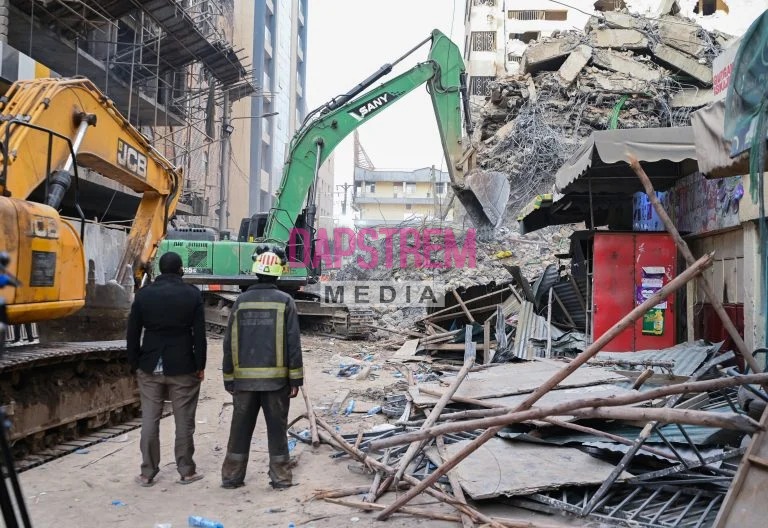
The Director of Public Prosecutions (DPP) has directed the Directorate of Criminal Investigations (DCI) to conduct a comprehensive investigation into the collapse of a multi-storey building in Eastleigh, Nairobi, amid growing concerns over construction safety, approval procedures and possible negligence by those involved in the project.
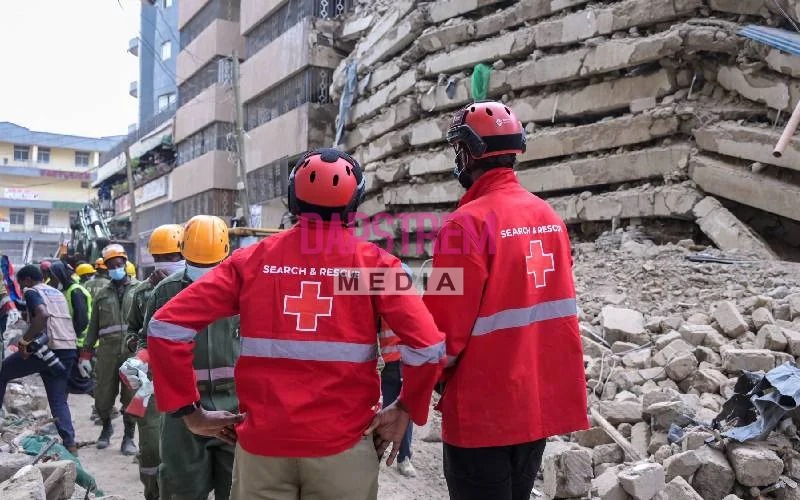
The directive, issued on Monday, October 26, 2026, comes three days after the building collapsed on Friday, October 23, triggering a major rescue operation and leaving families searching for relatives believed to have been trapped beneath the rubble.
The Office of the Director of Public Prosecutions (ODPP) said the investigation would establish the circumstances surrounding the disaster and determine whether any individuals or institutions could bear criminal responsibility.
The probe will examine the roles of the private developer, contractors, construction professionals and Nairobi City County officials who may have been involved in planning, approving, supervising or constructing the building.
The DPP’s intervention comes amid questions about whether the necessary construction approvals were obtained and whether the relevant authorities adequately enforced building regulations before the structure collapsed.
In a statement dated October 26, the ODPP clarified that Nairobi City County Government had not forwarded an inquiry file to its office concerning possible wrongdoing by the developer, construction professionals or county officials involved in the project.
The office said the absence of an inquiry file meant it had not received a formal investigation file on the matter for review and directions as of the date of its statement.
The DPP has now directed the DCI to investigate the incident, collect evidence and establish whether any actions or omissions contributed to the collapse. Once the investigation is complete, detectives are expected to submit their findings to the ODPP for independent review and directions on possible prosecution.
The office has warned that anyone found criminally responsible could face prosecution if sufficient evidence is established, regardless of their position or status.
The directive marks an important step towards establishing what happened at the Eastleigh construction site and whether the tragedy could have been prevented through proper planning, supervision and enforcement of safety standards.
DPP Seeks Answers Over Possible Construction Failures
The collapse has raised serious questions about the processes used to approve and supervise construction projects in Nairobi, particularly developments involving multiple storeys.
The ODPP has made it clear that the investigation should not focus solely on the physical circumstances that caused the building to fall. It should also examine the decisions and actions of the individuals and institutions responsible for ensuring that the development complied with the law.
Investigators are expected to establish whether the project had the necessary approvals, whether construction followed the approved plans and whether the professionals involved fulfilled their responsibilities.
They will also need to determine whether county officials carried out the required inspections and responded appropriately to any concerns about the development.
These questions are particularly important because building safety depends on several interconnected processes. A project must undergo the required planning and approval procedures, follow appropriate engineering designs and comply with construction standards throughout its development.
Where any of these safeguards fail, the consequences can be severe. Structural defects, inadequate supervision, unauthorised alterations or failure to comply with approved designs can expose workers and members of the public to serious danger.
However, the cause of the Eastleigh collapse has not yet been conclusively established. Investigators must examine the available evidence before determining whether a construction defect, regulatory failure or another factor contributed to the incident.
The DCI will therefore need to reconstruct the events leading to the collapse and establish the responsibilities of everyone involved. This may require examining approval documents, engineering plans, inspection records, construction contracts and statements from people who worked at or visited the site.
Investigators may also need expert technical assessments to establish the building’s structural condition before it collapsed and determine whether the construction met the required standards.
Such findings could help distinguish between an accidental structural failure and a situation involving possible criminal negligence or deliberate disregard for safety requirements.
The investigation must be thorough and impartial, particularly because it could involve both private-sector professionals and public officials responsible for regulating construction in the city.
Nairobi County Approval Claims Under Scrutiny
The DPP’s directive follows concerns raised by Nairobi Governor Johnson Sakaja over the building’s approval status and the county’s enforcement procedures.
Sakaja said a review of county records showed that an application to construct a 15-storey building with a basement had not been approved, although an earlier application for a change of use had been granted in 2024.
According to the governor, the property belonged to the estate of the late Wilson Mutia Musyoke, whose representatives had obtained the change-of-use approval. A subsequent application for the proposed building was not granted.
Sakaja also said the county had raised objections during the approval process, including concerns about the intended use of the basement and ground floor for shops.
The governor questioned how construction could have continued despite the outstanding approval requirements and called for investigators to establish the roles of the developer, the professionals involved and any officials who may have failed to enforce the applicable regulations.
He also said an enforcement order had been issued earlier in 2026, raising further questions about the action taken after the county identified concerns regarding the development.
The statements have placed the building’s approval history at the centre of the investigation. However, the allegations must be examined against the relevant documents and evidence before responsibility can be established.
The governor’s account and the DPP’s directive highlight different parts of the process. While the county has discussed the building’s approval history and enforcement measures, the ODPP has confirmed that it had not received an inquiry file from the county concerning possible wrongdoing by the parties involved.
These statements are not necessarily contradictory. The county may have submitted documentation to investigators without forwarding a completed inquiry file to the ODPP for prosecutorial review. The precise status of the investigative records will need to be clarified by the relevant agencies.
The DCI’s investigation is expected to establish what approvals were sought and granted, what enforcement measures were taken and whether any person or institution failed to fulfil a legal obligation.
The findings will be important in determining whether the collapse was linked to unauthorised construction, inadequate supervision or other circumstances.
DCI to Examine Roles of Developers, Contractors and County Officials
The investigation is expected to cover everyone whose actions or decisions may have contributed to the disaster.
The developer will be among the parties whose role investigators may examine, particularly in relation to obtaining the required approvals and ensuring that construction complied with the applicable conditions.
Contractors and construction professionals may also face scrutiny over the work carried out at the site, the materials and methods used, and whether the project followed approved engineering and architectural plans.
Investigators will need to establish whether the professionals involved performed their duties in accordance with the law and the standards governing their respective fields.
The role of Nairobi City County officials will also be important. County authorities are responsible for administering planning and building-control procedures within their jurisdiction, including reviewing applications and taking appropriate action where construction violates regulatory requirements.
The investigation should determine whether the necessary inspections took place, whether any violations were identified and whether enforcement measures were sufficient to address them.
Where officials received information about possible breaches, investigators may need to establish how they responded and whether any actions or omissions contributed to the continuation of unsafe construction.
At the same time, the mere involvement of a person in a construction project or regulatory process does not automatically establish criminal responsibility. Investigators must identify specific conduct, establish the relevant legal obligations and determine whether sufficient evidence supports any allegations of wrongdoing.
The DPP’s office has emphasised that prosecution will depend on the evidence obtained. This means investigators must build a case that can withstand independent review and, where charges are brought, scrutiny by the courts.
The process is particularly important in cases involving possible negligence, where technical evidence and the responsibilities of different parties may need careful examination.
The final investigation file should provide a clear account of the collapse, identify any suspected offences and explain the evidence linking particular individuals to those offences.
The objective should be to establish the facts rather than to assign blame before the investigation is complete.