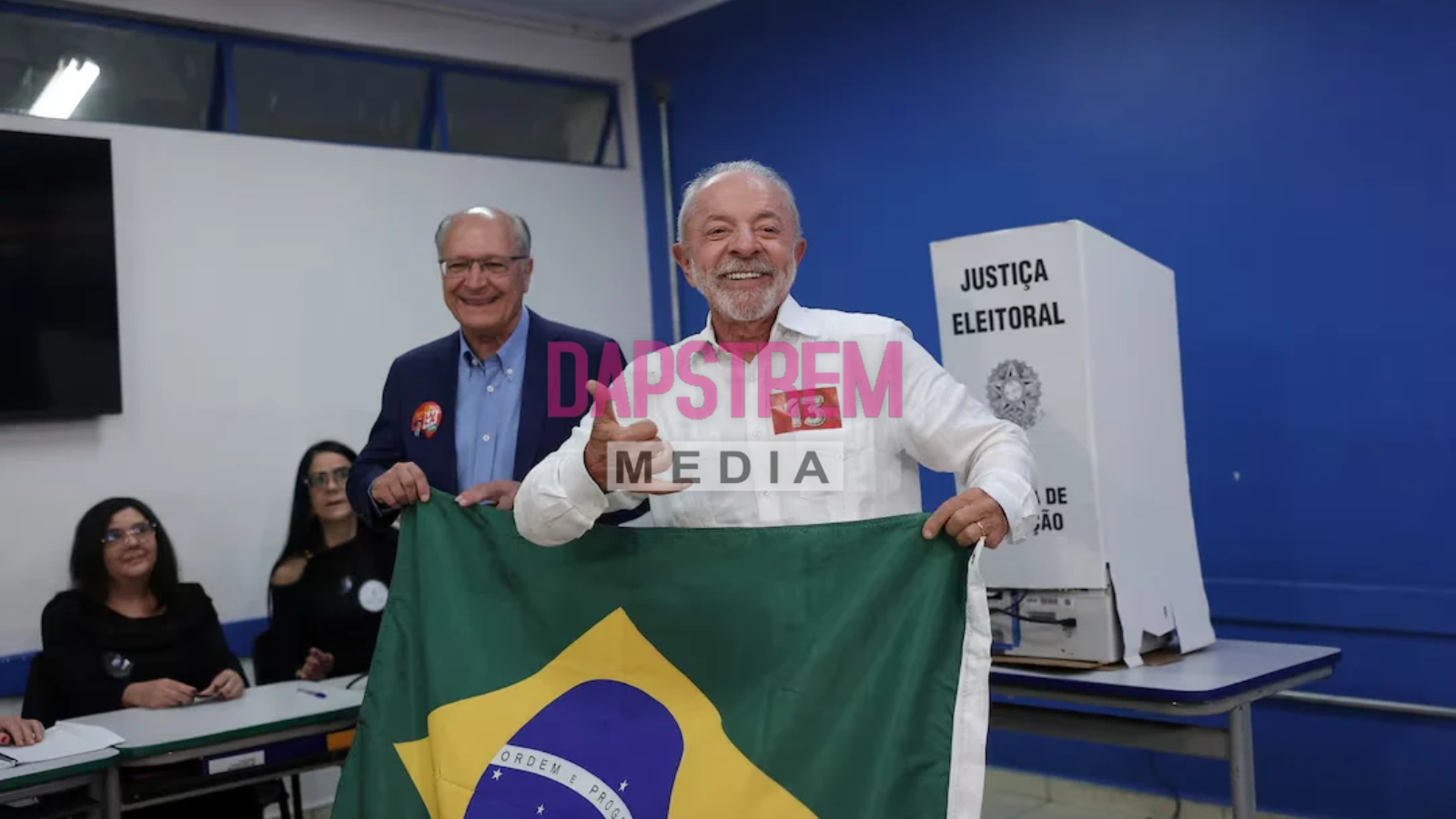
Brazilian President Luiz Inácio Lula da Silva has secured a dramatic re-election victory, defeating right-wing challenger Flávio Bolsonaro by approximately 4.4 million votes, while his rival has vowed to seek the annulment of the presidential election.
Official results announced by Brazil’s electoral authorities showed Lula winning 51.8 per cent of the vote against 48.2 per cent for Flávio Bolsonaro in Sunday’s presidential runoff. The victory gives Lula, 80, a fourth non-consecutive presidential term and extends the left’s hold on Latin America’s largest economy.
The result marks another extraordinary chapter in the political career of Lula, a former factory worker and trade union leader who rose from poverty to become one of Brazil’s most influential political figures.
However, the election outcome has been overshadowed by Flávio Bolsonaro’s refusal to accept defeat, raising fresh concerns about political tensions and public confidence in the country’s democratic institutions.
Bolsonaro rejects the outcome
Speaking after the results were announced, Flávio Bolsonaro said he would seek to have the election annulled, questioning a last-minute decision by Brazil’s Supreme Court to extend voting hours by two hours.
The extension was ordered after reports of transportation difficulties in some areas, which electoral officials said could prevent voters from reaching polling stations before the original closing time. Heavy rainfall also affected parts of the country.
Flávio Bolsonaro described the decision as unacceptable and argued that the circumstances surrounding the extension made it impossible for him to recognise the outcome.
The decision came after voting had already closed at some polling stations and the electoral authority had begun publishing preliminary results. The vote count was paused to accommodate the extended voting period.
Despite the objections, Lula finished with a margin of nearly 4.4 million votes, a substantial lead that could make a legal challenge difficult to sustain without evidence that the disputed circumstances materially affected the result.
Brazil’s electoral authorities have not indicated that the extension changed the outcome. Any attempt to overturn the election would have to be assessed through the country’s established legal procedures.
A family political battle
The election was also shaped by the political legacy of former president Jair Bolsonaro, Flávio’s father, who lost the 2022 presidential election to Lula.
Jair Bolsonaro is serving a 27-year prison sentence following his conviction for attempting a coup after his 2022 defeat, according to reporting by Reuters and Agence France-Presse. His imprisonment has become a defining issue in Brazil’s continuing political divisions.
Flávio Bolsonaro, a senator who presented himself as a more moderate alternative to his father, mobilised conservative voters and those dissatisfied with Lula’s government.
His campaign focused on public security, the cost of living and the need for political change. He also drew support from voters who remain critical of Lula and his Workers’ Party.
Lula, meanwhile, campaigned on his record of social welfare programmes, efforts to reduce poverty and inequality, and policies aimed at improving employment and protecting the environment.
The closely contested race demonstrated that Brazil remains deeply divided over its economic direction, social policies and place in global affairs.
Lula defies expectations
Lula’s victory was particularly striking because he had trailed Bolsonaro in the first round of voting earlier in October.
His campaign subsequently intensified efforts to mobilise supporters, attract undecided voters and strengthen backing among communities that have historically supported his political movement.
According to AFP, Lula became the first Brazilian presidential candidate since the return to direct presidential elections in 1989 to win the presidency after finishing second in the first round.
Following the announcement, Lula adopted a conciliatory tone, pledging to govern for all Brazilians regardless of their political affiliations.
His message comes at a time when the country faces persistent disagreements over economic management, crime, public spending and the role of the state in addressing inequality.
The president’s next term will require him to navigate these challenges while working with a Congress in which right-wing lawmakers retain considerable influence.
Election dispute raises concerns
The dispute over the results has revived memories of Brazil’s 2022 election, when Jair Bolsonaro questioned the voting system after losing to Lula.
Following that defeat, Bolsonaro supporters staged protests, with some demanding military intervention. On January 8, 2023, his supporters stormed key government buildings in Brasília, challenging the election outcome and the transfer of power.
The episode became one of the most serious threats to Brazil’s democratic institutions in recent history.
Flávio Bolsonaro’s latest challenge has therefore attracted attention beyond the immediate electoral contest, particularly because of the possibility that disputes over the results could intensify political mobilisation.
However, an election challenge is not, by itself, proof of fraud or grounds for automatically overturning a vote. The allegations must be examined against the evidence and the requirements of Brazilian electoral law.
The electoral authorities’ final tally remains the basis for the declared result unless a competent legal body rules otherwise.
While Lula’s supporters celebrated his victory in cities including São Paulo and Rio de Janeiro, the result also exposed the depth of Brazil’s political polarisation.
The narrow percentage-point difference between the candidates, despite Lula’s substantial numerical lead, illustrates how evenly divided the electorate remains.
For Lula, the challenge now is to turn his electoral victory into effective governance while rebuilding trust across political lines.
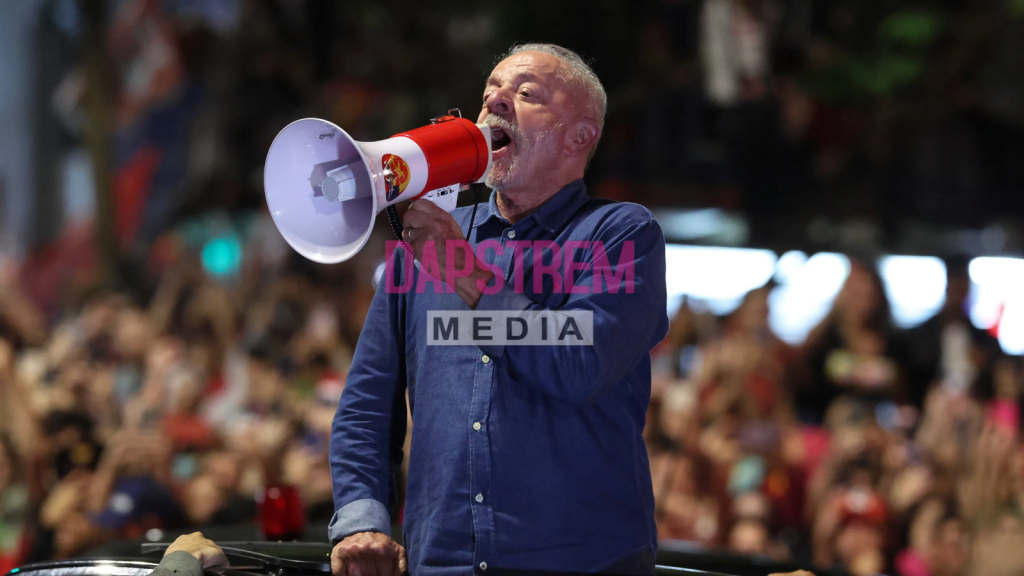
For Flávio Bolsonaro, the immediate focus is on his proposed legal challenge and maintaining the support of the conservative movement.
The coming days will be crucial in determining whether the dispute remains within the courts or spills into wider public demonstrations.
For now, Brazil’s electoral authorities have declared Lula the winner, placing him on course for another term in office as the country confronts questions about democratic stability, economic opportunity and national unity.