
Peres Jepchirchir Provisionally Suspended Over EPO
Kenyan marathon star Peres Jepchirchir has been provisionally suspended by the Athletics Integrity Unit (AIU) after an out-of-competition sample collected in Kenya returned an adverse analytical finding for erythropoietin (EPO), a substance prohibited in athletics.

The announcement, made on Friday, October 23, 2026, has drawn attention to one of Kenya’s most decorated distance runners. The sample was collected before Jepchirchir’s victory at the Sydney Marathon in Australia on August 30, 2026. The development was reported by Reuters and other international media outlets.
The provisional suspension means Jepchirchir cannot compete while the anti-doping process proceeds. However, it is important to note that the suspension is an interim measure and does not, by itself, amount to a final determination of an anti-doping rule violation.
What Is EPO and Why Is It Banned?
Erythropoietin, commonly known as EPO, is a hormone that stimulates the production of red blood cells. These cells carry oxygen around the body, and increasing their levels can improve oxygen delivery to muscles, potentially benefiting endurance athletes.
The use of EPO to enhance sporting performance is prohibited under anti-doping rules. Its detection in an athlete’s sample can therefore trigger an investigation and disciplinary proceedings.
In Jepchirchir’s case, the AIU said the sample collected in Kenya returned an adverse analytical finding for EPO. Further developments will depend on the applicable anti-doping procedures and the outcome of the case.
A Major Development in Jepchirchir’s Career
At 33, Jepchirchir has built an impressive record in international distance running. She won the women’s marathon at the Tokyo Olympic Games in 2021 before securing victories at the New York City Marathon in 2021, the Boston Marathon in 2022 and the London Marathon in 2024.

She added another major achievement in September 2025 when she won the women’s marathon title at the World Athletics Championships in Tokyo, Japan.
Her success continued in 2026 with a victory at the Sydney Marathon. Jepchirchir crossed the finish line in 2:18:31, finishing more than three minutes ahead of fellow Kenyan runner Irine Cheptai.
The result added Sydney to her list of major marathon victories and further strengthened her reputation as one of Kenya’s leading marathon runners. The subsequent announcement of her provisional suspension has now placed her sporting achievements under renewed scrutiny.
Agent and Sydney Marathon Organisers Respond
Jepchirchir’s agent, Gianni Demadonna, expressed regret following the announcement. In a statement reported by Reuters, he said he felt terrible about what had happened and argued that athletes who use performance-enhancing drugs should be disqualified.
Organisers of the Sydney Marathon also expressed disappointment over the news. They emphasised their commitment to clean sport and the importance of ensuring that athletes compete on a level playing field.

The organisers also acknowledged that Jepchirchir is entitled to due process and indicated that they would not comment further on the case until the proceedings had concluded.
Their response reflects the wider concern surrounding anti-doping enforcement in elite athletics, where protecting fair competition is essential for athletes and spectators alike.
Renewed Scrutiny of Kenyan Athletics
The case comes amid continued international scrutiny of doping in Kenyan athletics. Kenya has produced some of the world’s greatest distance runners, but a number of athletes have faced suspensions or bans for anti-doping violations in recent years.
One prominent case involved fellow Kenyan marathoner Ruth Chepngetich, who received a three-year ban after admitting anti-doping rule violations involving a prohibited diuretic. The repeated cases have raised questions about how sporting authorities can strengthen testing, education and enforcement while protecting clean athletes.
Kenya has also been awarded the hosting rights for the 2029 World Athletics Championships in Nairobi, placing additional attention on the country’s athletics structures and anti-doping efforts.
Jepchirchir’s case is particularly significant given her Olympic gold medal, world championship title and major marathon victories. Nevertheless, the case must be considered through the established disciplinary process rather than treated as a final verdict before that process is complete.
What Happens Next?
The next steps will depend on the applicable anti-doping procedures and any further decisions by the relevant authorities. The provisional suspension remains in place while the case proceeds, and additional information may emerge as the process develops.
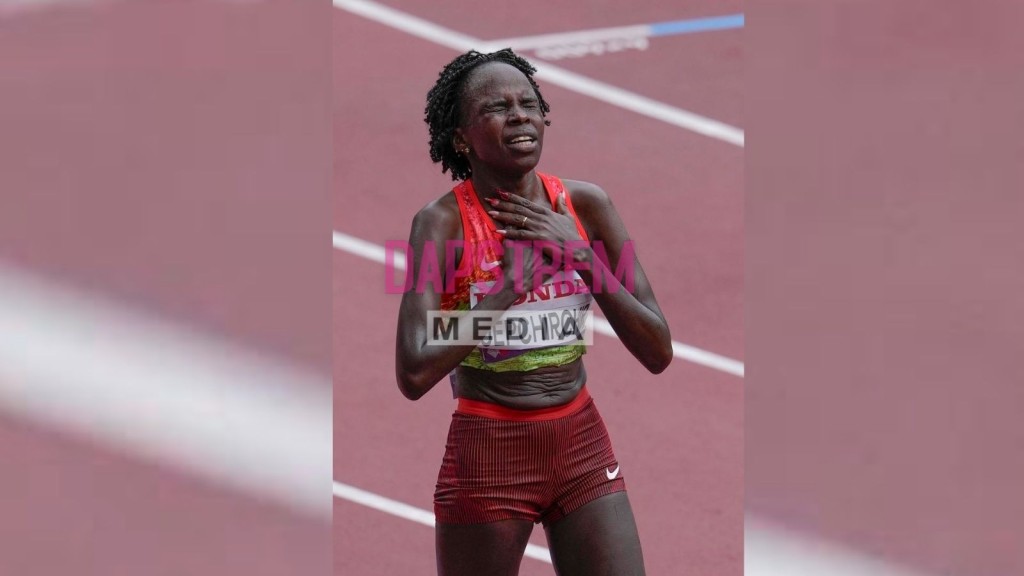
For now, the AIU’s announcement represents a major development in the career of a runner who has achieved some of the highest honours in international athletics.
The case also highlights the importance of fair and transparent anti-doping procedures. Such processes are intended to uphold the integrity of competition while ensuring that athletes’ cases are handled according to the applicable rules.
As the proceedings continue, attention will remain on any official updates concerning Jepchirchir and the eventual outcome of the case.