Catholic Bishops Ban Political Speeches in Churches, Urge Politicians to Use Other Campaign Platforms
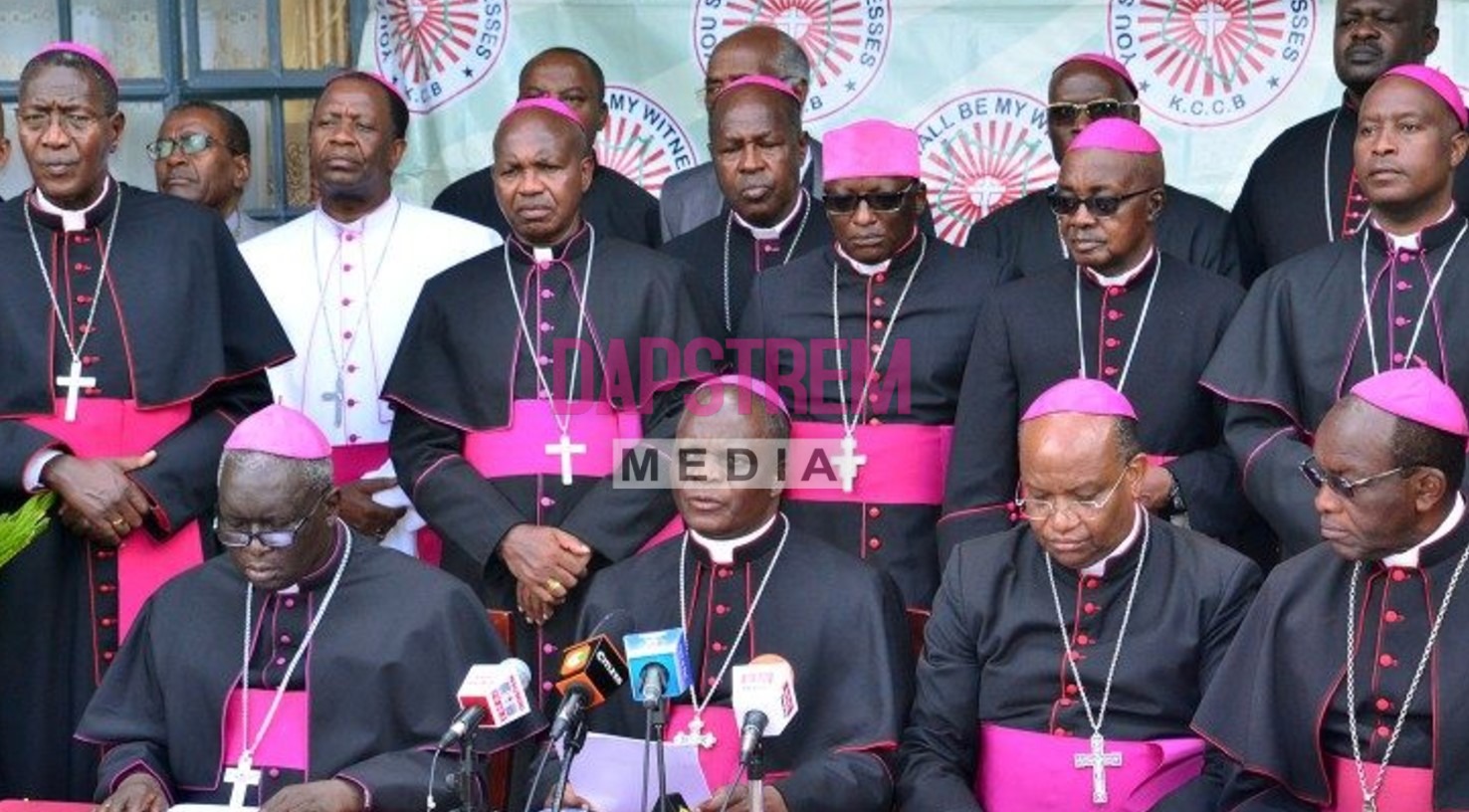
Catholic bishops in Kenya have renewed their call for politicians to keep political campaigns and speeches out of churches, warning against the growing tendency to turn places of worship into platforms for political mobilisation. The bishops want politicians to respect the spiritual purpose of church services and use other public forums to communicate their political messages as the country gradually moves towards the 2027 General Election.
The directive comes amid increasing political activity across the country, with political leaders stepping up public engagements, building alliances and positioning themselves ahead of the next election. Churches have increasingly become attractive venues for politicians seeking to reach large gatherings of people, particularly during Sunday services and other major religious celebrations.
However, Catholic Church leaders have expressed concern that allowing politicians to address congregations during worship services risks undermining the sanctity of religious institutions. They argue that churches should remain places dedicated to prayer, spiritual guidance, worship and the proclamation of the Word of God rather than becoming extensions of political campaign platforms.
The position has been reinforced by several Catholic dioceses through pastoral directives restricting political speeches during religious gatherings. In August 2026, the Catholic Diocese of Embu, under Bishop Peter Kimani Ndung’u, issued guidelines directing politicians to attend Mass as ordinary worshippers without using the opportunity to address congregations.
The guidelines prohibit politicians and their representatives from delivering speeches during or after Holy Mass or other liturgical celebrations. Church leaders may briefly acknowledge the presence of political figures, but such recognition should not create an opportunity for political messages or campaign activities.
A similar position was adopted by the Catholic Diocese of Wote under Bishop Simon Peter Kamomoe. The diocese issued a pastoral directive prohibiting politicians from addressing congregations during or after Mass, whether the service takes place inside or outside the church.
The directive also prohibits the use of church buildings and compounds for political campaigns, mobilisation exercises or political debates. The bishop maintained that politicians remain welcome to attend religious services, provided they respect the solemnity of worship and participate as members of the Christian faithful.
These measures reflect a wider effort within the Catholic Church to maintain political neutrality while protecting religious spaces from partisan influence.
Churches Should Remain Places of Worship
The bishops’ position is based on the belief that churches should serve all members of society regardless of their political affiliations, personal beliefs or preferred candidates.
Kenya’s Catholic Church has historically played an important role in national discussions involving governance, accountability, justice, peace and human rights. However, church leaders have repeatedly distinguished between speaking on matters affecting society and allowing politicians to use religious platforms to advance personal or party interests.
Bishop Cleophas Oseso Tuka of the Catholic Diocese of Nakuru previously warned politicians against turning churches into campaign venues as the country approaches the 2027 elections.
Speaking during the consecration of St. Elizabeth of Hungary Shoka Catholic Church in May 2026, the bishop said churches should remain dedicated to prayer and the proclamation of God’s Word.
He warned that some politicians could attend church services under the appearance of worship while seeking opportunities to address congregations and promote their political ambitions.
The bishop urged political leaders to conduct their campaigns elsewhere, including public grounds, markets and other appropriate venues, rather than using church gatherings to reach potential voters.
His remarks highlighted the Church’s concern that political activities could gradually overshadow the spiritual responsibilities of religious institutions.
For many worshippers, Sunday services provide an opportunity to seek spiritual direction, pray for their families and reflect on their faith. Allowing political speeches during such gatherings could shift attention away from these priorities.
The bishops therefore want religious services to remain focused on their intended purpose without unnecessary political interruptions.
Politicians Still Welcome in Churches
Despite the restrictions, the Catholic Church has not barred politicians from attending Mass or participating in religious activities.
Instead, the bishops have made it clear that political leaders should attend services like other members of the congregation. Their political positions should not give them special privileges or automatically entitle them to address worshippers.
The distinction is important because politicians are also members of religious communities and retain the right to practise their faith. However, their participation should not become an opportunity to campaign or seek political support.
Under the guidelines issued by the dioceses, a priest or presiding minister may briefly acknowledge the presence of political leaders during a service. Such recognition should not be followed by speeches, political announcements or attempts to influence the congregation.
The Church also expects politicians to respect religious ceremonies by avoiding activities that could interrupt worship or create divisions among congregants.
This approach seeks to ensure that every worshipper receives equal treatment regardless of whether they hold a public office or have political influence.
Church Compounds Also Off-Limits to Political Campaigns
The restrictions extend beyond church buildings to their surrounding compounds, where politicians have sometimes organised gatherings, addressed supporters and interacted with residents after religious services.
The Wote Diocese directive specifically prohibits the use of church premises for political campaigns, mobilisation or debates.
This means political leaders cannot simply move their speeches outside the church building and continue campaigning within the church compound.
The Church wants to prevent religious institutions from being used as political organising centres, particularly as political parties and candidates begin preparing for the next general election.
The restrictions also place responsibilities on priests, religious leaders and pastoral workers to maintain neutrality in their work.
Clergy members are expected to serve all faithful without discrimination based on political affiliation. They should also avoid using their religious positions to endorse or campaign against individual politicians or political parties.
Maintaining this neutrality is considered essential to protecting the Church’s credibility and ensuring that congregants with different political opinions can worship together peacefully.
Growing Concerns Over Political Speeches and Campaign Donations
The debate surrounding political speeches in churches is not new in Kenya. Religious institutions have repeatedly raised concerns about politicians using Sunday services to make political announcements, criticise opponents and promote their development records.
In some instances, political leaders have also made financial contributions during church services, with the donations publicly announced before congregations.
Such practices have attracted criticism from religious leaders and members of the public who believe that churches should not provide special recognition to wealthy or politically influential individuals.
Critics argue that publicising donations can create an environment where financial contributions are used to generate political goodwill and influence congregations.
The National Council of Churches of Kenya previously introduced guidelines restricting political activities in its member churches. The guidelines included discouraging political speeches and requiring politicians’ contributions to be treated like ordinary offerings without special announcements or celebrations.
The Anglican Church of Kenya has also taken a similar position, with Archbishop Jackson Ole Sapit declaring that politicians should not be allowed to address congregations during church services.
These developments point to a growing determination among religious institutions to establish clearer boundaries between religious activities and political campaigns.
2027 Elections Raise the Stakes
The renewed restrictions come as Kenya moves closer to the August 10, 2027 General Election, a period expected to witness increased political mobilisation across the country.
Political leaders are already engaging communities, strengthening political networks and positioning themselves for various elective positions. As the campaign season approaches, churches are likely to remain attractive venues because of their large congregations and influence within local communities.
Religious leaders have therefore become increasingly concerned about the possibility of political competition spilling into places of worship.
The Catholic Church has also warned against political messages that could encourage hostility, division and intolerance among Kenyans.
Bishop Simon Peter Kamomoe, who chairs the Catholic Justice and Peace Department, previously urged religious leaders to remain voices of conscience as the country prepares for the 2027 elections. He cautioned against allowing religious platforms to become instruments of political incitement or division.
The concerns are particularly significant given Kenya’s history of election-related tensions and violence. Political rhetoric that targets communities or portrays opponents as enemies can deepen divisions and threaten peaceful coexistence.
Church leaders are therefore expected to encourage responsible political participation while promoting peace, unity and respect for the rule of law.
Church Leaders Urged to Maintain Political Neutrality
The latest directives also place religious leaders at the centre of efforts to prevent political interference in worship services.
Priests and other pastoral officials are expected to enforce the guidelines consistently, regardless of the political influence or seniority of visitors attending church services.
This could require church leaders to resist pressure from politicians seeking opportunities to address congregations or receive special treatment during religious gatherings.
The bishops want clergy members to understand that their responsibility is to serve the entire congregation rather than individuals or political groups.
At the same time, the faithful have been encouraged to pray for national leaders and participate responsibly in civic affairs. The Church recognises that Christians have a role to play in shaping the country’s future through peaceful and informed participation in democratic processes.
However, such participation should not compromise the spiritual purpose of religious institutions.
A Clear Message Ahead of the Political Campaign Season
The Catholic bishops’ position sends a clear message to politicians seeking to use church platforms to communicate their political ambitions ahead of the 2027 General Election.
While political leaders remain welcome in churches as worshippers, they should not expect opportunities to deliver campaign speeches or mobilise supporters during religious gatherings.
The bishops want politicians to use appropriate public platforms where they can freely explain their policies, present development agendas and engage voters without interfering with religious activities.
For the Church, the priority is to preserve places of worship as spaces where people can come together in prayer regardless of their political differences.
As political temperatures gradually rise, the effectiveness of these directives will depend on how consistently churches enforce them and whether political leaders are willing to respect the boundaries established by religious institutions.
Ultimately, the Catholic Church’s message is that politics has its own platforms, while churches have a distinct spiritual responsibility. Protecting that distinction, the bishops argue, is necessary to preserve the unity, credibility and sacred character of religious institutions as Kenya approaches another important election period.