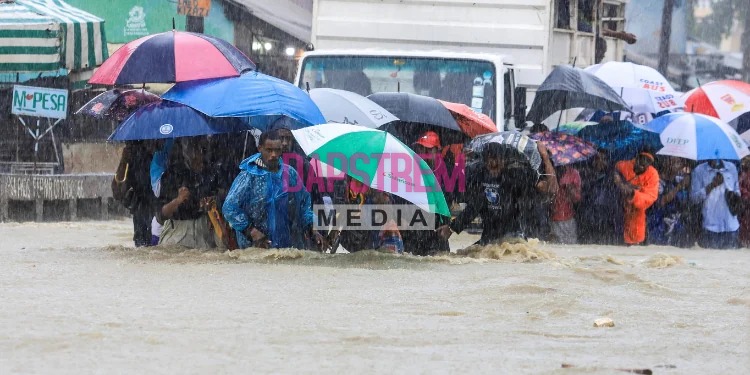
Kenyans Warned of Heavy Rainfall Across Several Parts of the Country in Next 24 Hours
Kenyans have been warned to prepare for rainfall across several parts of the country over the next 24 hours, following a new weather advisory issued by the Kenya Meteorological Department.
The forecast indicates that several counties could experience showers and thunderstorms, with some areas expected to receive moderate to heavy rainfall. Residents have been urged to remain alert and take necessary precautions, particularly those living in areas prone to flooding and other weather-related emergencies.
According to the advisory issued on Wednesday, November 11, rainfall is expected between 9pm on Wednesday and 9pm on Thursday, November 12, 2026. The forecast covers several regions, including Nairobi, Central Kenya, the Rift Valley, Western Kenya, Nyanza, Eastern Kenya and parts of Northern Kenya.
The warning comes as the country continues experiencing the October-November-December rainy season, which has brought changing weather conditions across different regions. While some areas are expected to receive significant rainfall, others could experience relatively light showers accompanied by thunderstorms.
The department has encouraged residents to monitor weather updates and prepare for possible disruptions associated with heavy downpours.
Counties Expected to Receive Rainfall
In its latest forecast, the Kenya Meteorological Department identified more than 40 counties expected to experience rainfall during the forecast period.
In the Central and Eastern regions, the affected counties include Meru, Isiolo, Tharaka-Nithi, Embu, Nyandarua, Nyeri, Kirinyaga, Murang’a, Kiambu, Machakos and Kitui.
Other counties expected to experience rainfall include Garissa, Mandera, Wajir, Marsabit, Turkana, West Pokot and Samburu.
In the Rift Valley region, the forecast covers Trans Nzoia, Uasin Gishu, Elgeyo Marakwet, Nandi, Bomet, Baringo, Laikipia, Nakuru, Narok, Kajiado and Kericho.
Western and Nyanza regions are also expected to receive rainfall, with Bungoma, Kakamega, Vihiga, Busia, Kisumu, Siaya, Homa Bay, Migori and Kisii among the affected counties.
Nairobi is also included in the advisory, with residents expected to experience changing weather conditions throughout the day.
The forecast suggests that rainfall will not be evenly distributed across all the affected counties. Some areas are expected to receive light showers, while others could experience moderate rainfall and thunderstorms in several locations.
Some Counties Face Increased Chances of Thunderstorms
The latest advisory indicates that several counties could experience thunderstorms during the night, morning and afternoon hours.
Garissa, Wajir and Mandera are among the areas expected to receive moderate rainfall accompanied by thunderstorms. In Wajir and Mandera, moderate rainfall and thunderstorms are expected in several places during the morning hours.
Marsabit is also expected to experience moderate rainfall and thunderstorms, particularly during the morning and afternoon.
In the Eastern region, Meru, Tharaka-Nithi and Embu could receive light rainfall in the morning, followed by showers and thunderstorms in some areas during the afternoon.
Residents in these counties have been encouraged to remain cautious, particularly when travelling or undertaking outdoor activities during periods of intense rainfall.
The department has also forecast changing conditions in the Rift Valley, with Nakuru, Narok, Kericho and Laikipia expected to experience moderate showers and thunderstorms in several places during the afternoon.
Trans Nzoia stands out in the forecast, with heavy showers and thunderstorms expected in several places during the afternoon.
The varying intensity of rainfall means that residents should not assume that all areas within a particular county will experience similar conditions. Weather patterns can differ significantly between neighbouring locations.
Nairobi Residents Also Face Rainfall
Nairobi is among the counties listed in the latest weather advisory, with residents expected to experience showers and thunderstorms at different times.
According to the forecast, the capital is expected to experience partly cloudy conditions during the night, with light showers possible in a few places.
Thursday morning is expected to bring light rainfall in a few areas, although sunny intervals are also anticipated.
However, the afternoon forecast indicates a possibility of moderate showers and thunderstorms in several places.
Temperatures in Nairobi are expected to reach a maximum of 26 degrees Celsius, with minimum temperatures dropping to approximately 15 degrees Celsius.
The changing weather conditions could affect residents commuting to work, school and other destinations.
Motorists may experience reduced visibility and slippery roads during periods of rainfall, while pedestrians could face difficulties navigating flooded sections of roads and walkways.
Residents have therefore been encouraged to plan their movements carefully and remain updated on changing weather conditions.
Heavy Rainfall Raises Concerns Over Flooding
The latest warning has renewed concerns about possible flooding in areas that regularly experience drainage challenges during the rainy season.
Heavy rainfall can overwhelm drainage systems, particularly in densely populated urban settlements where infrastructure may struggle to accommodate large volumes of water within a short period.
In Nairobi and other major towns, blocked drainage channels, poor waste disposal and settlements located near waterways can increase the risk of flooding.
Flash floods can develop rapidly, leaving motorists, pedestrians and residents with limited time to respond.
People living near rivers, seasonal streams and other waterways are particularly encouraged to remain vigilant during periods of prolonged rainfall.
Floodwater can also damage homes, destroy household property and disrupt businesses. In some situations, roads and bridges may become impassable, affecting transport and access to essential services.
Residents have been advised against attempting to cross flooded roads or moving water, even when the water appears shallow. Strong currents can easily sweep away pedestrians and vehicles.
Those living in low-lying areas should also pay attention to changing water levels and follow any safety instructions issued by local authorities.
Transport and Business Activities Could Be Affected
The anticipated rainfall could also affect transport and economic activities in different parts of the country.
Road users may experience slower journeys, particularly along routes where poor drainage and damaged road surfaces create difficulties during rainy conditions.
Public transport operators, delivery businesses and motorists may also experience delays as traffic movement becomes slower during heavy showers.
In urban centres, rainfall could affect outdoor businesses, construction activities and informal traders who depend on favourable weather conditions to operate.
Construction workers and contractors may need to adjust their schedules depending on rainfall intensity, particularly where excavation, roadworks and other outdoor activities are taking place.
Farmers could also experience mixed effects from the changing weather conditions. While rainfall is important for crop development and soil moisture, excessive downpours can cause waterlogging, soil erosion and damage to crops.
Communities dependent on livestock may benefit from improved water availability and pasture conditions, although flooding could disrupt movement and access to grazing areas.
The weather advisory therefore serves as an important reminder for households, businesses and institutions to prepare for possible disruptions.
Residents Urged to Take Precautionary Measures
As rainfall continues to affect different parts of the country, residents are encouraged to take simple precautions to protect themselves and their property.
People living in flood-prone neighbourhoods should avoid staying near swollen rivers and drainage channels during heavy rainfall.
Motorists should reduce their speed, maintain a safe distance from other vehicles and avoid driving through flooded sections of roads.
Pedestrians should also avoid walking through moving floodwater because its depth and strength can be difficult to estimate.
Households are encouraged to clear drainage channels around their properties to allow rainwater to flow freely. Residents should also secure important documents and valuable household items in places protected from possible flooding.
Farmers should monitor weather updates and take appropriate measures to protect crops, livestock and farm equipment.
Parents and guardians should also ensure that children avoid playing in flooded areas, drainage channels and near rivers during periods of heavy rainfall.
Most importantly, Kenyans are encouraged to follow official updates from the Kenya Meteorological Department and relevant emergency response agencies.
Kenya Continues Experiencing Changing Rainfall Patterns
The latest rainfall warning comes amid broader concerns about changing weather conditions across Kenya and the wider East African region.
The October-November-December season is an important rainfall period for many parts of the country, supporting agricultural production, replenishing water sources and improving pasture conditions.
However, rainfall distribution can vary considerably between counties, with some areas experiencing heavy downpours while others receive limited precipitation.
Climate patterns, including El Niño and the Indian Ocean Dipole, have also attracted attention because of their influence on rainfall conditions across East Africa.
Recent assessments have highlighted the possibility of contrasting weather conditions, with some communities facing flooding risks while others experience dry spells.
This makes accurate weather forecasting particularly important for farmers, businesses, government agencies and households.
Regular updates allow communities to prepare for potential emergencies and make informed decisions about travel, farming and other daily activities.
The Kenya Meteorological Department continues to issue daily, five-day and seasonal forecasts to help Kenyans understand expected weather conditions.
Residents are encouraged to pay attention to these advisories rather than relying solely on general seasonal predictions.
Kenyans Asked to Remain Alert as Rainfall Continues
The latest advisory serves as a reminder of the importance of preparedness as different parts of the country experience changing weather conditions.
With more than 40 counties expected to receive rainfall, residents have been encouraged to remain alert and take appropriate measures to minimise possible disruptions.
Although rainfall provides important benefits to agriculture, water supply and the environment, intense downpours can also create serious challenges for communities, particularly those living in flood-prone areas.
The situation calls for continued cooperation between government agencies, county administrations and members of the public to ensure that potential weather-related emergencies are managed effectively.
As Kenyans prepare for the expected showers and thunderstorms, staying informed and following safety guidelines will remain essential.
The public is encouraged to continue monitoring official weather updates, particularly as forecasts may change depending on evolving atmospheric conditions.