Kajiado Governor Ole Lenku Quits ODM, Launches New Party Ahead of 2027 Elections
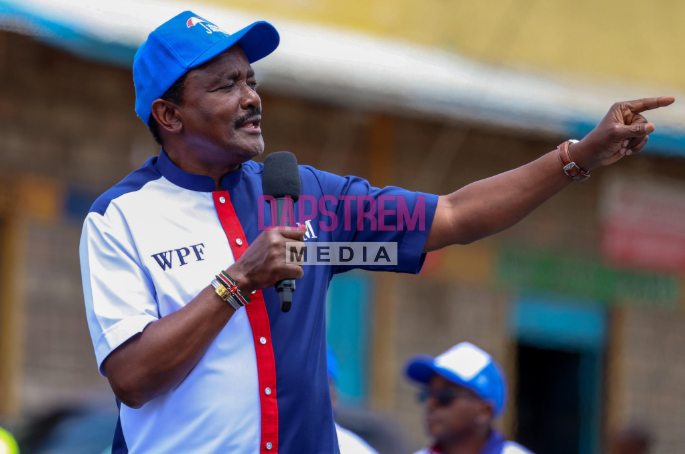
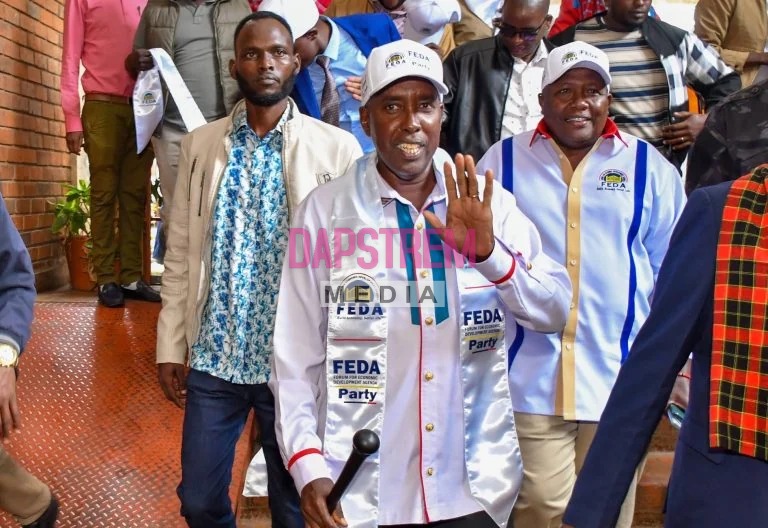
Kajiado Governor Joseph Ole Lenku has reportedly quit the Orange Democratic Movement (ODM) and launched a new political party, marking a significant development in Kenya’s political landscape as the country edges closer to the 2027 General Election. The move signals a possible shift in the political direction of the Maa community and could reshape political alliances in Kajiado County and beyond.
Ole Lenku’s reported departure from ODM comes after months of growing dissatisfaction with the party’s leadership and its political engagements in Kajiado. The governor has repeatedly accused some party officials of undermining local political leaders by supporting individuals associated with rival political formations.
His decision to establish a new political outfit is likely to intensify political competition in the Maa region, where leaders are increasingly seeking independent platforms to advance their interests and strengthen their bargaining power ahead of the next general election.
The development also comes at a time when several political leaders across the country are reconsidering their party affiliations, forming new alliances and positioning themselves for the 2027 electoral contest.
Ole Lenku’s Growing Discontent With ODM
Governor Ole Lenku’s relationship with ODM has been increasingly strained in recent months. The governor, who has been a prominent figure in the party’s political activities in Kajiado, has openly expressed frustration over what he considers a betrayal of the party’s grassroots supporters.
One of the major sources of disagreement has been ODM’s alleged engagement with political figures outside the party in Kajiado County.
In August 2026, Ole Lenku accused ODM officials of campaigning for State House Comptroller Katoo Ole Metito, despite his deputy, Martin Moshisho, seeking the gubernatorial seat through the ODM ticket.
The governor argued that such actions weakened the party’s position in the county and undermined leaders who had invested heavily in building its grassroots support.
He demanded an apology from ODM leadership, including party leader Oburu Oginga, insisting that the party should respect its members and candidates.
Ole Lenku warned that ODM risked losing its political influence in Kajiado if the leadership continued what he described as betrayal.
The disagreement exposed deeper divisions within the party, particularly over candidate selection, political alliances and the influence of external interests in local electoral contests.
His reported exit and the formation of a new political party could therefore be viewed as an extension of the dispute rather than an isolated political decision.
A New Political Vehicle for the Maa Community
The establishment of a new political party is expected to form a central part of Ole Lenku’s political strategy as he seeks to strengthen the influence of the Maa community in national politics.
The governor has previously argued that the community needs an independent political platform through which it can negotiate for leadership positions, development opportunities and representation in national decision-making.
Speaking at a political rally in Kimana, Kajiado South, in October 2026, Ole Lenku maintained that the Maa community could no longer rely entirely on political alliances dominated by other groups.
He argued that having an independent political party would allow Maa leaders to negotiate with other political formations from a position of strength.
According to the governor, the proposed political vehicle would not simply be an election-time arrangement but a platform for articulating the community’s priorities and safeguarding its interests.
His position reflects a wider debate in Kenya over the role of community-based political mobilisation. While supporters may view such parties as instruments for representation and political empowerment, critics could question whether they risk deepening ethnic divisions.
The challenge for any new political outfit will be to balance the interests of the Maa community with the broader principles of national unity, inclusivity and issue-based politics.
The 2027 Elections and Ole Lenku’s Political Future
The reported move comes at a critical moment for Ole Lenku, who is serving his second and final term as Kajiado governor.
Having held the county’s top office since 2017, the governor is now preparing for his next political chapter. He has previously indicated that he intends to contest the Kajiado Senate seat in the 2027 General Election.
His political future is closely linked to the succession contest in Kajiado, where his deputy, Martin Moshisho, has been seeking to succeed him.
The new political party could provide Ole Lenku and his allies with an alternative platform should disagreements over party nominations and political alliances continue.
It could also offer an opportunity to consolidate support among leaders who feel sidelined by established political parties.
However, the success of the new outfit will depend on its ability to attract influential leaders, mobilise voters and establish a strong grassroots network across the Maa region.
The party will also need to clarify its broader political agenda, including whether it intends to contest independently or enter into alliances with established national formations.
ODM Faces a Potential Political Setback in Kajiado
Ole Lenku’s reported departure could present a major challenge to ODM’s political influence in Kajiado County.
The governor has previously claimed that he and other local leaders played a significant role in strengthening the party’s presence in the region.
He argued that ODM had previously struggled to establish a strong grassroots presence in Kajiado but gained support through the efforts of local leaders and supporters who remained loyal to the late former Prime Minister Raila Odinga.
The governor has warned that continued disagreements with the party leadership could lead to a significant loss of support.
His departure may therefore raise questions about ODM’s ability to maintain its influence in the county, particularly as rival political parties continue to recruit elected leaders and aspirants.
The situation is also likely to draw attention to the party’s internal management and its approach to political negotiations in counties where competing interests are emerging.
ODM will have to navigate these challenges carefully as it seeks to retain its support base and remain competitive ahead of the 2027 elections.
Political Realignments Intensify in Kajiado
Kajiado County has increasingly become a centre of political activity as leaders position themselves for the upcoming general election.
The county has witnessed movements involving elected leaders from different political parties, reflecting the growing competition for influence in the Maa region.
In August 2026, several Kajiado leaders reportedly joined the Democracy for the Citizens Party (DCP), led by former Deputy President Rigathi Gachagua.
The defections included leaders from ODM and the United Democratic Alliance (UDA), highlighting the changing political loyalties within the county.
Ole Lenku’s reported formation of a new party could further accelerate these political realignments.
The move may encourage other leaders to reconsider their affiliations, especially those seeking a political platform that offers greater influence over local and national decisions.
It could also create fresh competition among political parties seeking to secure the support of Maa voters.
As the 2027 election approaches, Kajiado is likely to remain a strategic battleground for political leaders seeking to expand their national influence.
What the Move Means for the Maa Community
The creation of a new political party associated with the Maa community is likely to generate considerable discussion among residents and political leaders.
Supporters may welcome the development as an opportunity to strengthen political representation and ensure that the community’s interests are considered during national negotiations.
An independent political platform could provide leaders with greater flexibility when negotiating alliances and pursuing development priorities.
It may also offer a means of mobilising support around issues affecting residents, including infrastructure, education, land rights, economic opportunities and access to public services.
However, the effectiveness of such a party will ultimately depend on its leadership, policies and ability to unite diverse interests within the community.
Political observers will also be watching to see whether the party attracts support beyond Kajiado and other Maa-populated areas.
A political organisation that remains focused exclusively on ethnic mobilisation could face challenges in building a wider national coalition. Conversely, one that promotes inclusive policies and meaningful development priorities may have greater opportunities to expand its influence.
A New Chapter in Ole Lenku’s Political Journey
Governor Joseph Ole Lenku’s reported exit from ODM and launch of a new political party marks a potentially important turning point in his political career.
The development reflects his growing dissatisfaction with the party’s leadership and his determination to pursue an alternative political arrangement.
As he prepares to leave the governor’s office after two terms, Ole Lenku is positioning himself for a new phase of political engagement, with the 2027 General Election likely to shape his next move.
The new party could become an important platform for his Senate ambitions and for leaders seeking greater political independence in Kajiado.
Nevertheless, the real test will be whether the outfit can translate its formation into sustained grassroots support, credible leadership and a clear political agenda.
With political alliances shifting across the country, Ole Lenku’s move could have implications beyond Kajiado County.
The coming months will reveal whether the new political formation can emerge as a significant force in the Maa region or become another party competing for influence in Kenya’s increasingly crowded political landscape.
For now, the reported development adds another layer of uncertainty to the 2027 political contest, with ODM facing questions over its support base in Kajiado and the Maa community’s political future entering a new phase.