Mouth Cancer: The Warning Signs You Should Never Ignore
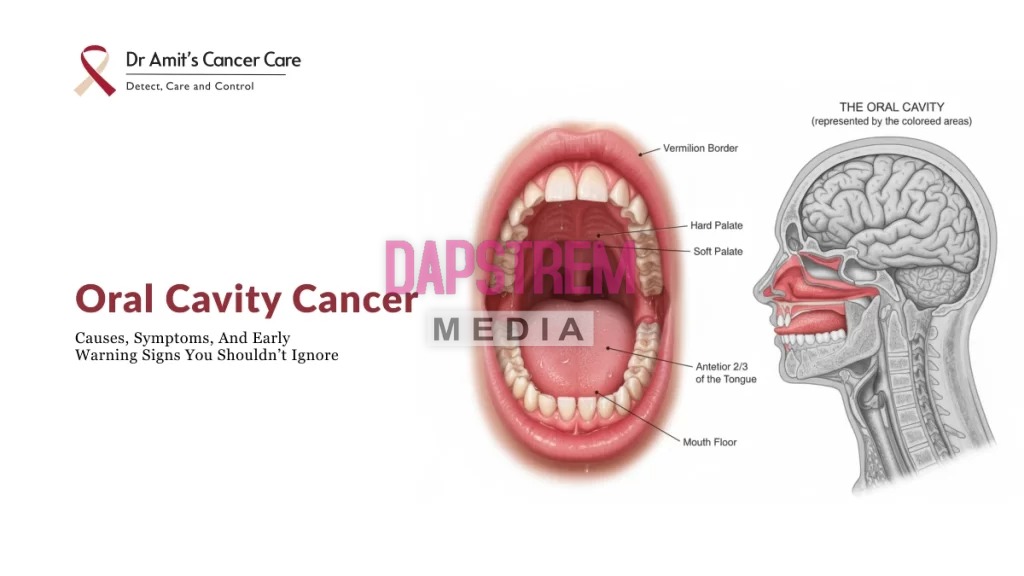
Mouth cancer is a serious health condition that can affect different parts of the oral cavity, including the lips, tongue, gums, inner cheeks, roof of the mouth and floor of the mouth. Although the disease can affect anyone, early detection remains one of the most important factors in improving treatment outcomes and reducing the risk of serious complications.
Many people may overlook the early warning signs of mouth cancer because they can resemble common oral problems such as mouth ulcers, toothaches, gum irritation or infections. However, persistent changes inside the mouth should never be ignored, especially when they fail to heal within a reasonable period.
Health experts encourage people to pay close attention to unusual changes in their mouths and seek professional medical assessment whenever symptoms persist. Recognising the warning signs early can help ensure that the condition is diagnosed and treated before it progresses to more advanced stages.
Mouth cancer, also known as oral cancer, occurs when abnormal cells in the tissues of the mouth begin to grow uncontrollably. These cells can form a tumour and, in some cases, spread to nearby tissues, lymph nodes or other parts of the body.
The disease can develop gradually, making it important for individuals to understand the symptoms and risk factors associated with it.
Warning Signs of Mouth Cancer You Should Never Ignore
One of the most common warning signs of mouth cancer is a mouth ulcer or sore that does not heal. Ordinary mouth ulcers often disappear within one or two weeks. However, a sore that remains for more than two weeks, repeatedly bleeds or becomes increasingly painful should be examined by a healthcare professional.
Persistent sores may appear on the tongue, gums, inner cheeks, lips or other areas inside the mouth. Although not every long-lasting ulcer is cancerous, its persistence makes professional assessment important.
Another important warning sign is the appearance of unusual red or white patches inside the mouth.
Red patches, medically referred to as erythroplakia, and white patches known as leukoplakia may sometimes be associated with abnormal changes in oral tissues. Some of these changes can become cancerous, particularly when they persist or occur alongside other symptoms.
People should be cautious when they notice patches that cannot be easily removed, especially if they are accompanied by pain, bleeding or changes in the surrounding tissue.
A lump, thickened area or swelling inside the mouth can also signal a potential problem. Mouth cancer may present as a small lump on the tongue, gums, inner cheek or floor of the mouth.
Some lumps may initially be painless, meaning individuals could fail to notice them until they become more pronounced. Any unexplained growth or thickening that persists should be evaluated by a dentist or medical professional.
Persistent pain in the mouth is another symptom that requires attention. While mouth pain can result from tooth decay, gum disease or infections, unexplained pain that continues for an extended period may indicate a more serious condition.
Some individuals may experience pain when chewing, swallowing or moving their tongue. Others may notice discomfort that spreads towards the ear.
Difficulty swallowing, also known as dysphagia, is another possible warning sign. People with mouth cancer may feel as though food is getting stuck or experience discomfort when swallowing liquids or solid foods.
Such symptoms should not be dismissed, particularly when they occur alongside persistent mouth sores, lumps or changes in the tongue.
Changes in the movement of the tongue or jaw can also be concerning. Mouth cancer may affect the muscles and tissues responsible for speaking, chewing and swallowing.
Some people may experience difficulty opening their mouths fully, moving their tongues freely or speaking clearly. These changes can become more noticeable as the condition progresses.
Unexplained bleeding inside the mouth is another symptom that should be investigated. Bleeding may occur from a sore, lump or affected area without an obvious cause such as injury or brushing too aggressively.
People who repeatedly notice blood in their mouths should seek medical advice rather than assuming the problem is caused by minor irritation.
Persistent numbness or a tingling sensation in the tongue, lips or other areas of the mouth may also be associated with oral cancer. Such sensations can occur when abnormal growths affect nerves in the surrounding tissues.
Although numbness can result from other medical conditions, unexplained or persistent changes in sensation should be assessed.
Another symptom that may occur is a loose tooth without an obvious dental explanation. Mouth cancer affecting the gums or surrounding tissues can sometimes cause teeth to become loose.
Individuals may also experience changes in how dentures fit, particularly when swelling or tissue changes develop inside the mouth.
A persistent lump in the neck may also be a warning sign. Mouth cancer can spread to nearby lymph nodes, causing swelling that may feel like a small or firm lump.
A neck lump that does not disappear, especially when accompanied by mouth symptoms, should be evaluated by a healthcare professional.
Unexplained weight loss and persistent fatigue may occur in people with more advanced disease. These symptoms can result from difficulties eating, swallowing or the body’s response to cancer.
However, weight loss and fatigue are not specific to mouth cancer and may be caused by several other health conditions.
What Causes Mouth Cancer?
Mouth cancer develops when cells in the oral tissues undergo changes that cause them to grow uncontrollably. Several factors can increase the likelihood of developing the disease.
Tobacco use is one of the major risk factors. Smoking cigarettes, cigars and other tobacco products exposes the mouth to harmful chemicals that can damage cells and increase the risk of cancer.
Smokeless tobacco products are also associated with oral cancer. Chewing tobacco and other tobacco preparations can expose the tissues inside the mouth to carcinogenic substances.
Heavy alcohol consumption is another important risk factor. Alcohol can damage the cells lining the mouth and may increase the harmful effects of tobacco when the two are used together.
The combination of tobacco and alcohol is particularly concerning because it can significantly increase the risk of developing oral cancer.
Human papillomavirus (HPV), particularly certain high-risk types, is associated with cancers of the oropharynx, which includes parts of the throat, tonsils and base of the tongue. These cancers are closely related to, but distinct from, cancers arising in the front part of the mouth.
Other possible risk factors include prolonged exposure of the lips to ultraviolet sunlight, particularly in people who spend considerable time outdoors without lip protection.
Poor oral health, chronic irritation and certain dietary or lifestyle factors may also contribute to overall risk, although they should not be considered direct causes in every case.
It is important to understand that mouth cancer can develop in people who do not smoke or drink alcohol. The absence of known risk factors does not mean a person is completely protected from the disease.
Why Early Detection Is Important
Early detection of mouth cancer can make a significant difference in treatment and recovery.
When the disease is identified at an early stage, it may be easier to treat because the cancer is still confined to a smaller area and has not spread extensively.
Treatment options depend on the location, stage and type of cancer. They may include surgery, radiotherapy, chemotherapy, targeted therapy or a combination of these approaches.
Some patients may require reconstructive procedures, particularly when surgery affects parts of the tongue, jaw or other structures involved in speaking and eating.
Advanced mouth cancer can be more difficult to treat and may require more complex medical interventions. It can also affect a person’s ability to speak, chew, swallow and maintain adequate nutrition.
This is why health professionals emphasise the importance of seeking medical attention as soon as suspicious symptoms appear.
A dentist may detect abnormal changes during a routine oral examination. If a suspicious lesion is identified, the patient may be referred for further assessment.
A biopsy, which involves taking a small sample of tissue for laboratory examination, is often necessary to confirm whether a suspicious area is cancerous.
People should not attempt to diagnose mouth cancer themselves based solely on the appearance of an ulcer, patch or lump.
How to Reduce the Risk of Mouth Cancer
Although not all cases of mouth cancer can be prevented, several lifestyle measures can help reduce the risk.
Avoiding tobacco in all forms is one of the most effective preventive steps. Individuals who smoke or use smokeless tobacco should consider seeking professional support to quit.
Reducing alcohol consumption or avoiding it altogether can also lower risk, particularly among people who use tobacco.
Maintaining good oral hygiene is another important measure. Brushing teeth regularly with fluoride toothpaste, flossing and attending routine dental appointments can help maintain healthy teeth and gums.
People should also pay attention to changes inside their mouths during everyday oral care. Checking the tongue, gums, lips and inner cheeks for unusual patches, sores or lumps may help identify changes early.
When spending long periods outdoors, protecting the lips from excessive sunlight using suitable lip protection can help reduce the risk of lip cancer.
HPV vaccination, according to national medical guidance, can help prevent infections with HPV types associated with certain cancers, including some cancers of the throat.
Eating a balanced diet rich in fruits and vegetables can support general health. However, a healthy diet alone cannot guarantee protection against cancer.
Regular dental visits are particularly important because dentists can examine the mouth for suspicious changes that may not be obvious to the patient.
When Should You See a Doctor?
People should seek professional assessment if they notice a mouth ulcer, lump, red or white patch, unexplained bleeding or other unusual changes that persist for more than two weeks.
Medical attention should also be sought for persistent difficulty swallowing, unexplained numbness, ongoing mouth pain, changes in speech or a lump in the neck.
A symptom that is rapidly worsening, causing significant difficulty swallowing or affecting breathing requires urgent medical attention. Breathing difficulty is an emergency.
It is important not to wait until symptoms become severe before seeking help.
A healthcare professional can examine the affected area, identify possible causes and recommend further investigations when necessary.
Persistent symptoms do not automatically mean that a person has cancer. Many oral conditions are non-cancerous and can be treated successfully. However, proper examination is the safest way to determine the cause.
Conclusion
Mouth cancer remains a serious health condition, but recognising its warning signs early can improve the chances of timely diagnosis and treatment.
Persistent mouth ulcers, unexplained lumps, red or white patches, bleeding, difficulty swallowing and changes in tongue movement are among the symptoms that should never be ignored.
While tobacco use and heavy alcohol consumption are major risk factors, the disease can also affect people without these habits.
Regular dental examinations, good oral hygiene, avoiding tobacco, limiting alcohol and paying attention to unusual changes inside the mouth are important steps towards protecting oral health.
The most important message is simple: any unexplained change in the mouth that does not heal within two weeks should be checked by a qualified healthcare professional.
Early assessment can provide reassurance when the condition is harmless and help ensure that serious illnesses are identified before they become more difficult to treat.