UDA Emerges as Kenya’s Most Popular Party as ODM Falls to Third, TIFA Poll Shows
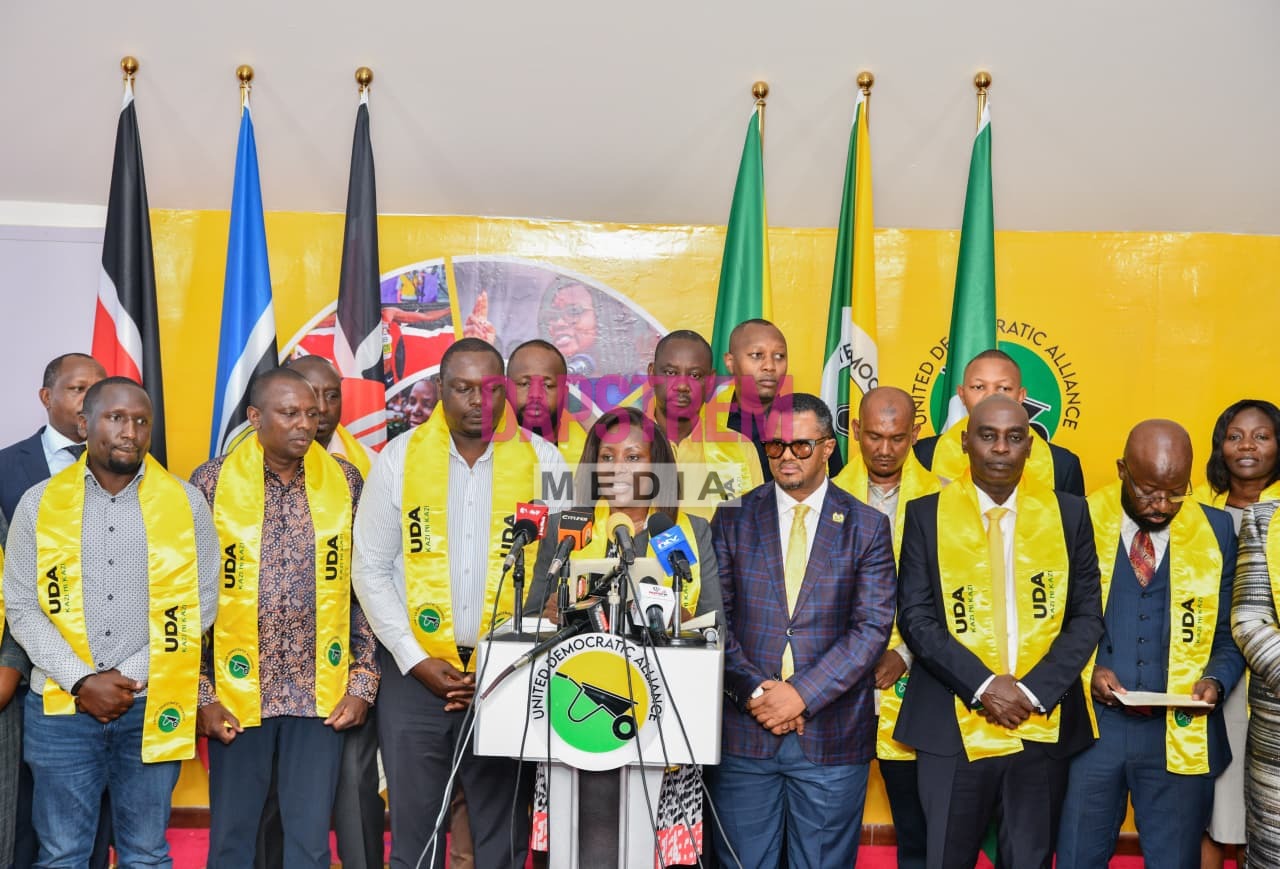
President William Ruto’s United Democratic Alliance (UDA) has emerged as Kenya’s most popular political party, pushing the Orange Democratic Movement (ODM) to third place, according to a new opinion poll released by Trends and Insights For Africa (TIFA).
The latest findings point to significant changes in Kenya’s political landscape as parties intensify their mobilisation efforts ahead of the 2027 General Election. The survey shows that UDA has regained its position at the top, while the Linda Mwananchi political movement has emerged as a major force, overtaking ODM in national popularity.
According to the findings released on Thursday, November 12, 2026, UDA commands 25 per cent support among Kenyans, representing a significant increase from the 17 per cent recorded in June 2026.
Linda Mwananchi, which has gained prominence through its political activities and growing support base, follows in second position with 17 per cent. ODM, which previously enjoyed a stronger national standing, has dropped to third place with 10 per cent support.
The findings represent a notable shift from the previous survey, which placed ODM ahead of UDA. The latest results suggest that political loyalties are changing as different formations seek to position themselves ahead of the next general election.
The survey also places former Deputy President Rigathi Gachagua’s Democracy for the Citizens Party (DCP) among the other significant political formations, with Wiper and Jubilee recording relatively smaller levels of national support.
Perhaps one of the most important findings is that 28 per cent of respondents remain undecided or do not identify with any political party. This indicates that a significant proportion of the electorate has yet to settle on a political formation ahead of the 2027 polls.
UDA’s Growing Popularity Marks a Significant Political Shift
UDA’s rise to the top represents an important development for President Ruto’s political establishment as the country moves closer to the next general election.
The ruling party has experienced changing levels of public support since the 2022 General Election. Its popularity previously declined from 33 per cent in August 2022 to approximately 15 per cent in September 2025 before recovering to 17 per cent in June 2026.
The latest survey now places the party at 25 per cent, suggesting that it has regained some of the support it previously lost.
The increase could provide a political boost to Ruto’s administration as it prepares to defend its position in the 2027 presidential contest.
For UDA, maintaining this momentum will require more than celebrating its latest ranking. The party will need to strengthen its grassroots networks, engage communities across different regions and convince voters that its policies and development agenda address their concerns.
The government has faced considerable public scrutiny over the cost of living, taxation, unemployment, public debt and the general economic situation.
These issues are likely to remain important in determining how Kenyans assess the administration as the election approaches.
UDA’s improved standing in the latest survey could therefore reflect changing political preferences, but the party will still face the challenge of translating its popularity into sustained electoral support.
The ruling party will also need to maintain unity within its political ranks and manage competing interests among leaders seeking influence ahead of the 2027 contest.
Linda Mwananchi Emerges as a Major Political Force
One of the most striking developments in the latest TIFA findings is the emergence of Linda Mwananchi in second position with 17 per cent support.
The movement has increasingly attracted attention through its political activities and criticism of the country’s current governance arrangements.
Its emergence ahead of ODM marks a significant development, particularly because of the historical influence the Orange Democratic Movement has enjoyed in Kenyan politics.
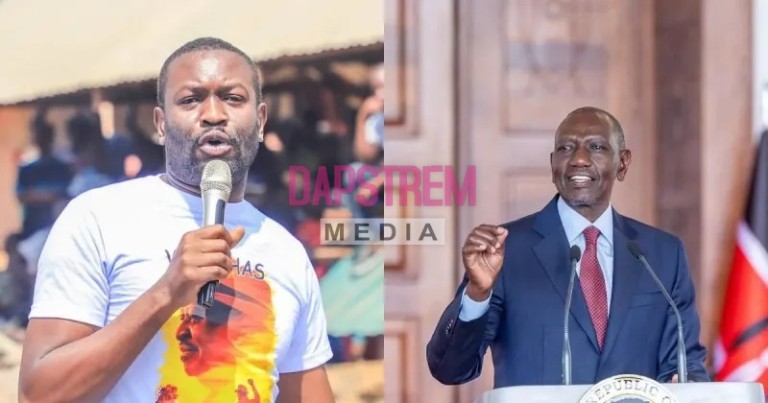
Linda Mwananchi has been associated with Nairobi Senator and ODM Secretary General Edwin Sifuna, who has emerged as one of the prominent voices in the movement.
The movement has attracted supporters who favour a more assertive political approach, particularly on issues involving government accountability, economic challenges and the country’s political direction.
Its growing popularity also comes amid disagreements within ODM over the party’s relationship with President Ruto’s administration and the future of its political strategy.
The differences have exposed competing interests within the party, with some leaders supporting cooperation with the government while others favour a stronger opposition position.
Linda Mwananchi’s performance in the latest survey could therefore indicate that sections of the electorate are increasingly interested in alternative political platforms.
However, its ability to maintain the momentum will depend on how it organises itself, establishes a clear political structure and builds support beyond its existing networks.
The movement will also face questions about its leadership, electoral strategy and ability to translate public enthusiasm into an organised political campaign.
Its second-place ranking nevertheless makes it an important player in discussions about the political direction of the country ahead of 2027.
ODM Suffers a Major Decline in National Popularity
The latest findings present a difficult picture for ODM, which has dropped from 20 per cent support in June to 10 per cent in November 2026.
The 10-percentage-point decline represents a significant setback for a party that has remained one of Kenya’s most influential political organisations for years.
ODM has historically enjoyed strong support in Nyanza and other parts of the country, building its political identity around opposition politics, reform demands and calls for greater accountability.
The party’s influence has been closely associated with the late former Prime Minister Raila Odinga, whose political mobilisation helped establish ODM as a major national political force.
However, the changing political environment has introduced new challenges for the party, particularly following disagreements over its relationship with the Kenya Kwanza administration.
The internal differences have created uncertainty about ODM’s political direction and the extent to which its traditional supporters remain united behind its leadership.
The emergence of Linda Mwananchi as a separate political force has further complicated the situation by offering voters an alternative platform associated with some of the party’s prominent figures.
The latest survey could therefore raise serious questions about ODM’s ability to maintain its traditional support base while competing with emerging political formations.
For the party, rebuilding its national popularity will require addressing internal disagreements, strengthening its leadership structures and presenting a clear position on the issues affecting ordinary Kenyans.
Its leaders will also need to convince supporters that the party remains capable of representing their political and economic interests.
Despite the decline, ODM remains an established political organisation with considerable grassroots networks and a long history in national politics. Its latest position should not automatically be interpreted as an indication that it has lost its electoral influence.
DCP and Other Political Parties Remain in the Race
The survey also highlights the continued presence of other political formations seeking to expand their national influence.
Gachagua’s Democracy for the Citizens Party (DCP) remains an important player in the emerging political landscape, with approximately nine per cent support in the latest reported findings.
The party has increasingly positioned itself as an alternative political platform, particularly among voters dissatisfied with the current administration.
Gachagua’s political influence, especially in the Mt Kenya region, could remain important as parties and coalitions begin positioning themselves ahead of 2027.
Wiper Democratic Movement, led by Kalonzo Musyoka, recorded five per cent support, while Jubilee Party stood at four per cent.
These figures highlight the challenges facing established opposition parties as newer political formations attempt to attract voters.
For Wiper and Jubilee, the coming months could be important in determining whether they can strengthen their support bases and remain relevant in the national political conversation.
Their potential influence could also depend on coalition negotiations, presidential candidate selection and their ability to establish common political positions with other opposition groups.
Kenya’s political history demonstrates that smaller parties can become influential through strategic alliances, particularly when they bring strong regional support and established leadership networks.
Consequently, the latest survey does not necessarily determine the future of these parties, but it provides an indication of the competitive environment they must navigate.
28 Per Cent of Kenyans Remain Undecided
Another significant finding in the TIFA survey is that 28 per cent of respondents either remain undecided or do not identify with any political party.
This is an important indicator of the uncertainty surrounding Kenya’s political direction ahead of the next general election.
The figure suggests that more than one-quarter of the electorate has not committed itself to any political formation.
For political parties, this represents a major opportunity to attract new supporters through effective mobilisation, public engagement and credible policy proposals.
The undecided category could become particularly important as campaigns intensify and voters begin evaluating the different political options available.
Economic conditions, government performance, leadership credibility and the positions taken by political parties on national issues could influence how these voters eventually make their decisions.
Younger voters are also expected to play an important role in shaping the next political contest, particularly given their growing involvement in conversations about governance, employment opportunities, taxation and economic reforms.
Parties that successfully engage this section of the electorate could strengthen their national appeal.
However, attracting undecided voters will require more than political rallies and campaign promises. Kenyans are increasingly interested in practical solutions to the challenges affecting their daily lives.
What the Latest Survey Means for the 2027 General Election
The latest TIFA findings provide an important indication of how Kenya’s political landscape is evolving ahead of the 2027 General Election.
With UDA leading at 25 per cent, Linda Mwananchi at 17 per cent and ODM at 10 per cent, the results suggest that the competition for national political influence is becoming increasingly unpredictable.
The emergence of Linda Mwananchi could also influence future coalition negotiations, particularly if the movement continues attracting support from voters who previously identified with established opposition parties.
Meanwhile, UDA’s improved position could strengthen Ruto’s political standing as he prepares for another presidential campaign.
However, the survey should not be interpreted as a prediction of the final election outcome. Party popularity and presidential voting intentions are different measurements, and political preferences can change significantly before Kenyans head to the ballot.
Coalition agreements, candidate selection, campaign strategies and emerging national issues could all influence the final outcome.
The survey also suggests that political competition is no longer limited to the traditional rivalry between UDA and ODM. Newer political formations are increasingly challenging established parties for public support.
This could reshape the country’s political alliances and introduce new dynamics into the 2027 election campaign.
For opposition leaders, the findings could strengthen calls for political unity and a coordinated strategy capable of challenging the ruling party.
However, achieving such unity may prove difficult given the competing ambitions and political interests among different leaders.
Political Parties Face Pressure to Win Back Public Confidence
Beyond the rankings, the latest findings highlight the importance of public confidence in determining the future of political parties.
Kenyans are increasingly evaluating political organisations based on their positions on economic development, governance, accountability and the delivery of public services.
The cost of living, taxation, unemployment and access to economic opportunities remain among the issues likely to influence political conversations as the country approaches 2027.
UDA will need to demonstrate that its improved popularity reflects genuine public confidence in its leadership and policies.
ODM will face the challenge of addressing internal divisions and reconnecting with voters who may be considering alternative political formations.
Linda Mwananchi, meanwhile, will need to transform its growing popularity into a structured political movement capable of sustaining national support.
DCP and other opposition parties will also have to strengthen their organisational structures and determine how they intend to compete in the increasingly crowded political environment.
The coming months could therefore be crucial for parties seeking to establish themselves ahead of the next election.
Ultimately, the latest TIFA survey demonstrates that Kenya’s political landscape remains fluid, with established parties facing new competition and a significant portion of voters yet to make up their minds.
While UDA currently enjoys the leading position, the emergence of Linda Mwananchi and the decline in ODM’s support show that political fortunes can change considerably within a relatively short period.
As the 2027 General Election approaches, the biggest test for all political formations will be their ability to convert public popularity into lasting voter confidence and electoral support.