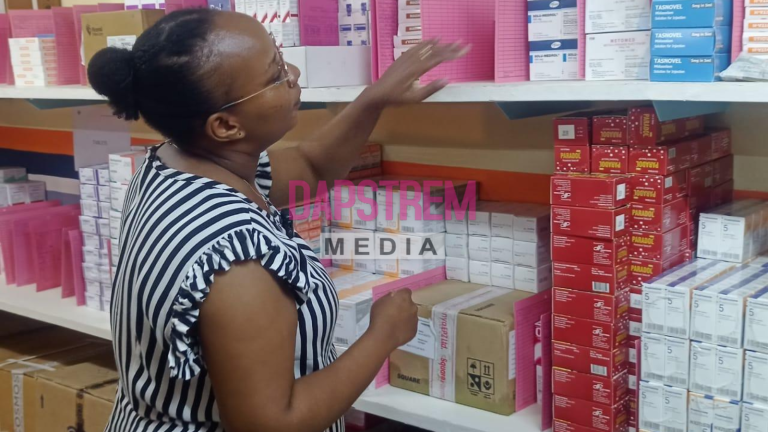
The Social Health Authority (SHA) has introduced a new SMS verification system requiring patients to confirm whether they received prescribed medicines at health facilities, in a move aimed at preventing hospitals from claiming reimbursement for drugs never issued.
The system, which became operational on November 1, 2026, sends text messages to patients while they are still at healthcare facilities, asking them to confirm whether prescribed medication was dispensed.
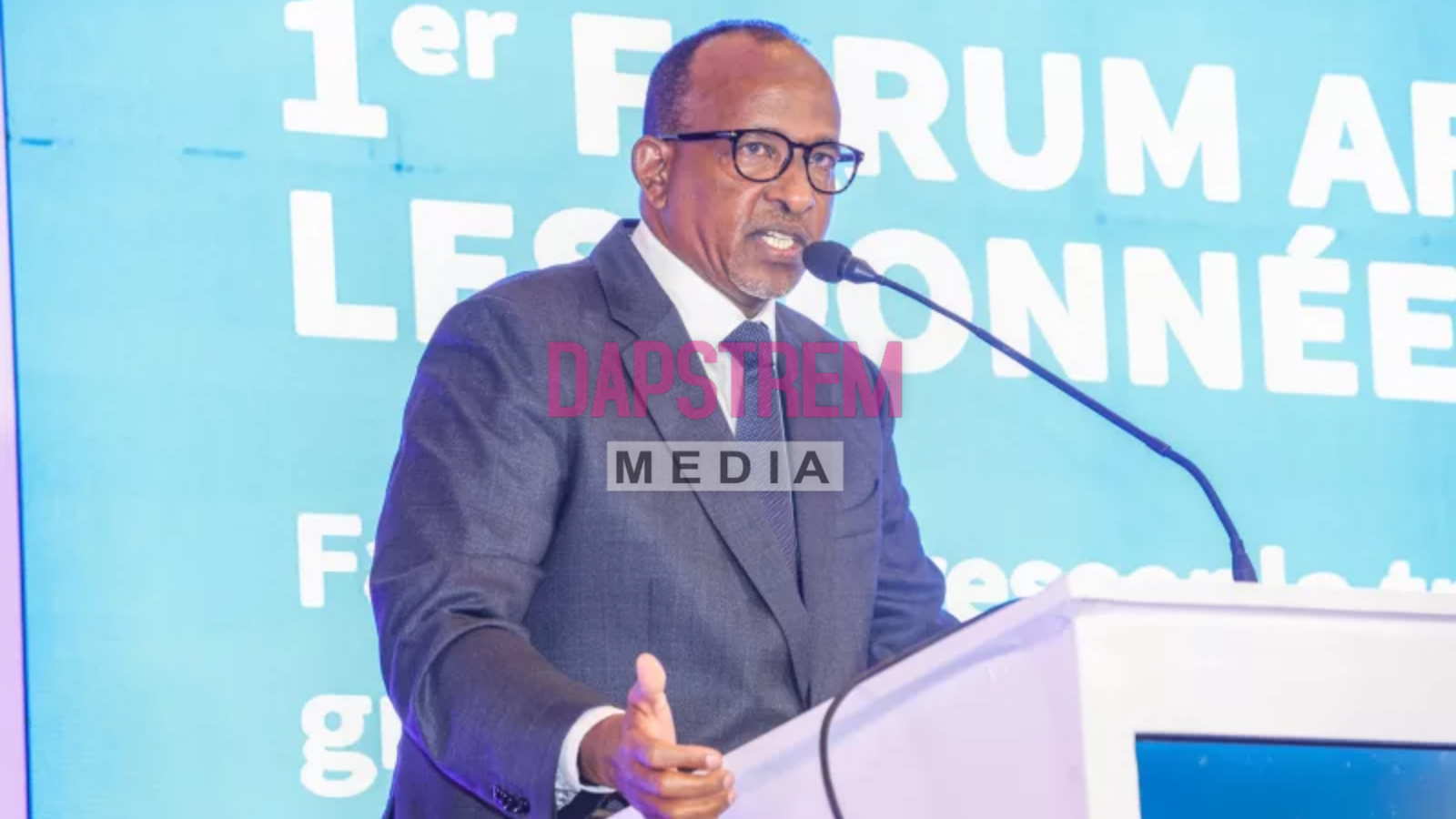
Health Cabinet Secretary Aden Duale announced the initiative on Tuesday, November 10, during the inaugural Africa Health Data Forum in Nairobi, saying the government intends to strengthen accountability and eliminate fraudulent claims within the healthcare system.
Under the arrangement, patients who confirm that they did not receive their prescribed medicines will trigger a verification process that could prevent the facility from receiving payment for the drug component of the treatment claim.
Duale explained that SHA would still reimburse hospitals for other legitimate services, including consultations, laboratory tests and medical procedures, but withhold payment for medicines that were not dispensed.
He urged Kenyans to check their mobile phones after hospital visits and respond to messages sent through the Digital Health Agency (DHA) and SHA.
System targets medicine fraud in public hospitals
The rollout follows concerns raised by the Ministry of Health over discrepancies between the number of patients treated in public hospitals and those recorded as having received medication.
In April 2026, Duale told the Senate that the Digital Health Superhighway had detected worrying gaps in medicine dispensing at several county referral hospitals.
At Kakamega County Referral Hospital, approximately 52,000 patients had reportedly undergone consultations, laboratory tests and other medical procedures, but only 9,000 were recorded as having received medicines.
A similar situation was identified in Bomet, where about 34,000 patients received treatment, but only 4,600 were issued with drugs.
The findings raised concerns about possible diversion of medicines, weaknesses in hospital pharmacy management and patients being forced to purchase prescribed drugs from private pharmacies outside public facilities.
Duale previously warned that some patients were completing their hospital visits without receiving medication despite being covered under the Social Health Insurance Fund (SHIF).
The new SMS arrangement is intended to give patients a direct role in verifying services recorded in their medical claims rather than relying entirely on information submitted by healthcare providers.
KEMSA supply chain under scrutiny
The government is also seeking to address medicine shortages by encouraging county hospitals to procure pharmaceutical supplies through the Kenya Medical Supplies Authority (KEMSA).
Duale reported that KEMSA’s order fulfilment rate had reached approximately 92 per cent, meaning the agency was supplying most of the products requested by healthcare facilities.
The government expects improvements in procurement and distribution to reduce shortages that often force patients to purchase medicines elsewhere.
What patients should expect
Under the new arrangement, patients are encouraged to provide accurate responses to the SMS verification messages, particularly when prescribed medicines are unavailable or have not been issued.
The initiative forms part of wider digital healthcare reforms aimed at improving transparency, monitoring hospital activities and protecting public funds.
It also builds on SHA’s transition towards electronic patient records and digital claims processing, intended to make healthcare financing more accountable.
However, the effectiveness of the system will depend on reliable mobile connectivity, accurate patient records and proper investigation of disputed responses.