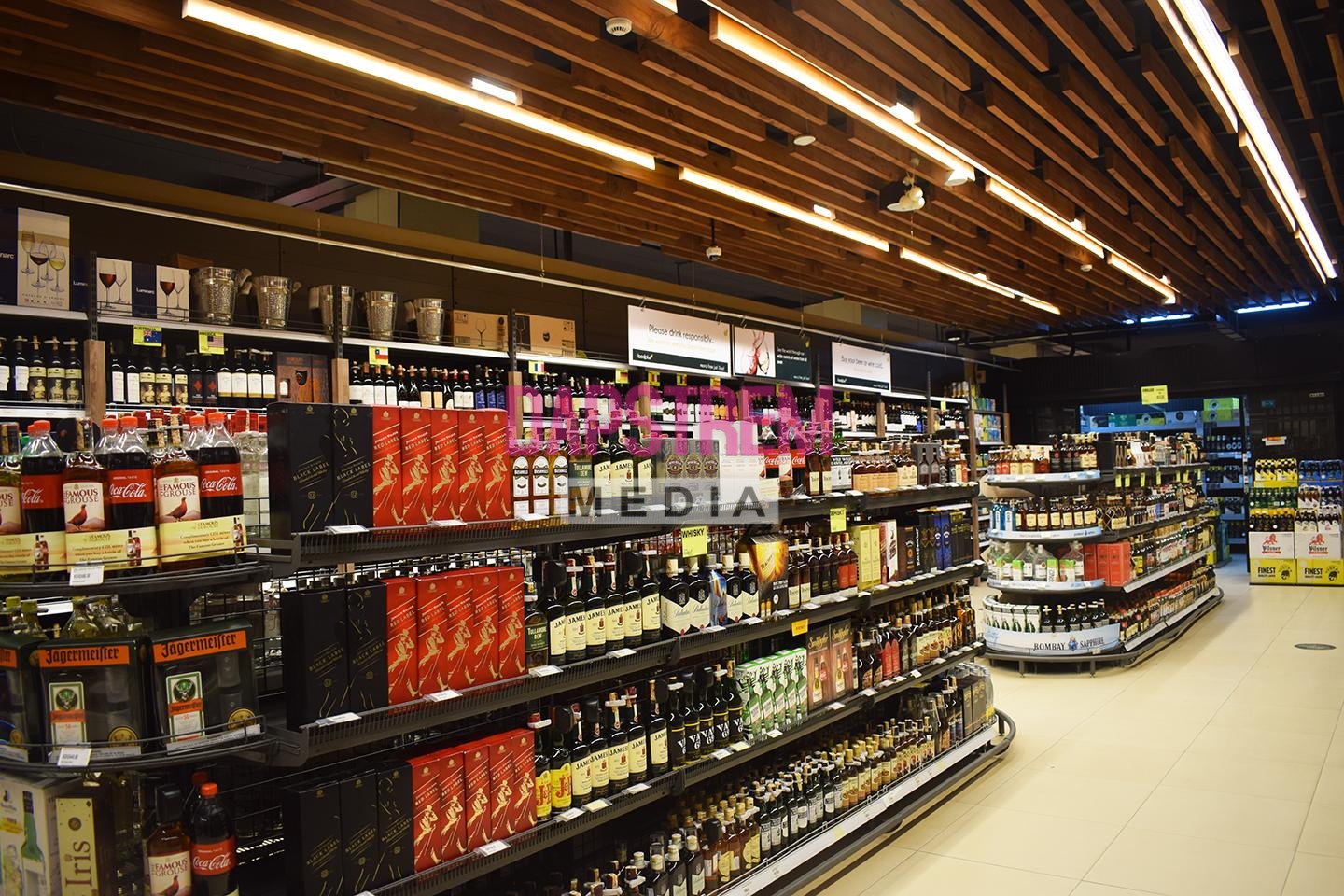
Kenyans Invited to Give Views on Proposed Law Seeking to Raise Drinking Age to 21
Kenyans have been invited to submit their views on a proposed law seeking to raise the minimum legal drinking age from 18 to 21 years, in a significant move aimed at tightening alcohol regulation across the country. The public participation exercise provides citizens with an opportunity to influence legislation that could reshape the country’s drinking culture, alcohol industry and access to alcoholic beverages among young adults.
The proposed Alcoholic Drinks and Drugs Control Laws (Amendment) Bill, 2026, seeks to introduce sweeping changes to the legal framework governing the manufacture, distribution, sale, advertising and consumption of alcoholic drinks. The proposals also include restrictions on online alcohol sales, vending machines, nicotine pouches and shisha, alongside measures targeting the distribution of pharmaceutical products and poisons.
The Eastleigh Voice+1
According to a notice issued by the National Assembly, members of the public have until Monday, November 23, 2026, at 5:00 pm to submit memoranda outlining their views on the proposed legislation.
The Bill was read for the First Time in Parliament on November 5, 2026, before being referred to the Departmental Committee on Administration and Internal Security for consideration and reporting to the House.
The proposed reforms have generated considerable interest because they could affect young people, alcohol manufacturers, retailers, hospitality businesses, transporters and consumers across the country.
At the centre of the debate is the question of whether raising the legal drinking age would help address alcohol abuse and its associated social challenges, or whether the proposed restrictions could create additional difficulties for businesses and individuals.
The public participation process is therefore expected to play an important role in determining the direction of the proposed law as Parliament considers the recommendations and concerns raised by Kenyans.
Proposed Law Seeks to Raise Legal Drinking Age from 18 to 21
One of the most significant provisions contained in the proposed legislation is the plan to increase the minimum legal age for purchasing and consuming alcoholic drinks from 18 to 21 years.
Under the existing legal framework, individuals who have attained the age of 18 are legally permitted to purchase and consume alcohol, subject to applicable restrictions. The proposed amendment would introduce a higher threshold, preventing people below 21 from accessing alcoholic beverages legally.
The proposal is aimed at addressing concerns surrounding alcohol consumption among young adults, particularly those transitioning from adolescence into adulthood.
Supporters of the proposed change argue that individuals aged 18 to 20 may still be vulnerable to harmful drinking habits and may not fully appreciate the long-term consequences associated with excessive alcohol consumption.
National Assembly Majority Leader Kimani Ichung’wah has supported the push to increase the drinking age, arguing that young people who have just attained adulthood may require additional protection from alcohol-related harm.
People Daily
The proposed legislation would also extend the age restriction beyond the act of purchasing alcohol. It seeks to limit access to licensed premises and certain employment opportunities connected to the alcohol industry for individuals below 21.
This means the proposed changes could affect young adults who work in bars, liquor stores, restaurants and other establishments involved in the sale or distribution of alcoholic drinks.
The proposed restrictions would also prevent licensed premises from admitting individuals below 21, even when accompanied by an adult.
If enacted, the law would therefore introduce a broader age-based regulatory framework that could significantly alter how alcohol-related businesses operate.
However, the proposal remains subject to parliamentary consideration and public input. The current legal drinking age remains 18 until any amendment is formally passed and comes into effect.
Kenyans Given Until November 23 to Submit Their Views
The National Assembly has formally opened the public participation process to allow citizens and stakeholders to contribute to the proposed legislation.
The exercise is particularly important because the Constitution of Kenya requires Parliament to facilitate public participation in its legislative activities.
Kenyans are encouraged to examine the Bill and submit memoranda expressing their support, objections or recommendations regarding the proposed amendments.
According to the parliamentary notice, submissions should be directed to the Clerk of the National Assembly through the following channels:
-
Email: clerk@parliament.go.ke
-
Postal address: P.O. Box 41842-00100, Nairobi
-
Physical delivery: Office of the Clerk, Main Parliament Buildings, Nairobi.
The deadline for submitting memoranda is November 23, 2026, at 5:00 pm. Copies of the Bill are available at the National Assembly Table Office and on the Parliament website.
The Eastleigh Voice
The invitation allows members of the public to raise concerns about the potential impact of the proposed restrictions on young people, businesses and consumers.
Citizens may also suggest alternative measures that could help address alcohol abuse while protecting legitimate businesses and ensuring that the law remains practical to implement.
The submissions will inform the committee’s consideration of the Bill before it prepares its report for Parliament.
Public participation is therefore not merely a procedural requirement. It offers Kenyans an opportunity to shape policies that could have long-term implications for the country’s social and economic environment.
Bill Proposes Restrictions on Online Alcohol Sales and Home Deliveries
Beyond raising the legal drinking age, the proposed legislation seeks to introduce stricter controls on how alcoholic drinks are sold and delivered to consumers.
The Bill proposes prohibiting the sale of alcohol through online platforms, courier services, home deliveries, vending machines and hawking.
These measures are intended to strengthen oversight of alcohol distribution and prevent unauthorised access to alcoholic beverages.
Online alcohol sales and home delivery services have increasingly become convenient options for consumers in urban areas. However, the proposed law seeks to restrict these channels as part of a broader effort to regulate access to alcoholic drinks.
If the provisions are enacted, businesses currently offering online ordering and delivery services for alcohol would need to adjust their operations to comply with the new legal requirements.
The restrictions could also affect businesses that rely on digital platforms to reach customers and generate sales.
The proposed legislation further seeks to prohibit alcohol sales in supermarkets and several other specified public locations. These include educational institutions, medical facilities, public transport stops, petrol stations, cinemas, parks and sports facilities.
The proposed restrictions would significantly change the environment in which alcohol is sold in Kenya.
Retailers and hospitality businesses are likely to closely examine the proposals because their implementation could require changes to licensing, inventory management and distribution arrangements.
The public participation exercise is expected to provide an opportunity for affected businesses to explain the potential consequences of these provisions and recommend adjustments where necessary.
Proposed Law Introduces Stricter Licensing Requirements
Another important aspect of the proposed legislation is the restructuring of alcohol licensing and regulatory oversight.
The Bill seeks to establish a National Alcoholic Drinks Control Committee responsible for licensing manufacturers and importers of alcoholic beverages.
The proposed committee would also coordinate activities among relevant government agencies and oversee the introduction of a digital tracking system for alcoholic drinks.
The tracking system is intended to monitor products from the point of manufacture or importation through transportation and distribution until they reach consumers.
At the county level, the Bill proposes the establishment of County Alcoholic Drinks Licensing Committees to oversee the licensing of alcohol-selling establishments.
The committees would be responsible for regulating the number and categories of licensed outlets, considering factors such as population density and the location of learning institutions.
The proposals are aimed at improving coordination between national and county governments in the regulation of alcohol-related activities.
The legislation also seeks to strengthen enforcement by preventing public officers responsible for implementing alcohol and drug control laws from holding alcohol licences directly or through proxies.
These provisions could help address concerns surrounding conflicts of interest in the licensing and enforcement process.
However, their effectiveness would depend on the capacity of the relevant authorities to implement the new framework transparently and consistently.
Alcohol Transportation and Distribution Face New Restrictions
The proposed legislation also seeks to introduce tighter controls on the transportation of alcoholic drinks.
Under the proposed amendments, transportation of alcoholic beverages would be restricted to between 6:00 am and 6:00 pm.
Vehicles used to transport alcohol would also be required to display clear and visible branding.
These measures are intended to improve traceability and strengthen oversight of the supply chain.
The proposed digital tracking system would further help authorities identify products and monitor their movement through the distribution network.
The changes could affect manufacturers, importers, wholesalers and distributors who rely on transportation networks to move alcoholic beverages across different regions.
Businesses operating within the sector may need to revise delivery schedules, logistics arrangements and compliance procedures if the law is enacted.
The proposals also seek to introduce stricter requirements for the licensing and distribution of pharmaceutical products and poisons, including the maintenance of records by relevant manufacturers, importers, wholesalers and exporters.
The broader objective is to strengthen regulatory oversight and reduce the risk of products entering the market through unauthorised channels.
Proposed Levy to Fund Alcohol and Drug Abuse Control Programmes
The Bill also proposes introducing a compensatory levy on alcoholic beverages manufactured or imported into Kenya.
The proposed levy would be charged at Sh2 per litre of alcoholic drinks, with the proceeds directed towards supporting regulatory programmes and initiatives aimed at preventing and managing alcohol and drug abuse.
The proposed funding mechanism is intended to strengthen the financial capacity of institutions responsible for alcohol regulation and substance abuse prevention.
Under the proposals, a portion of the revenue would support the National Alcoholic Drinks Control Committee, while other funds would be directed towards civil society organisations involved in prevention and management programmes.
The introduction of the levy could provide additional resources for public awareness campaigns, rehabilitation services and regulatory enforcement.
However, the proposal could also raise concerns among manufacturers and importers about the additional costs associated with producing and distributing alcoholic beverages.
Businesses may argue that the levy could affect operating costs and potentially influence consumer prices.
The public participation process is expected to provide an opportunity for stakeholders to discuss the proposed funding structure and its potential implications for the industry.
Bill Seeks to Ban Nicotine Pouches and Shisha
The proposed legislation also extends its scope to tobacco-related products, particularly nicotine pouches and shisha.
It seeks to prohibit the manufacture, sale, use, advertisement, promotion and distribution of these products.
The proposal forms part of a broader effort to address concerns surrounding the consumption of substances that may pose public health risks.
Nicotine pouches have attracted attention because they are used as alternatives to traditional tobacco products. Shisha consumption has also become common in some entertainment establishments, particularly in urban areas.
The proposed restrictions could significantly affect businesses that manufacture, import, distribute or sell these products.
If the law is enacted, establishments currently offering shisha services or selling nicotine pouches would be required to comply with the new legal framework.
The proposal also seeks to prohibit the purchase of tobacco products from children, reinforcing existing efforts to protect minors from access to tobacco-related substances.
The inclusion of these provisions demonstrates that the proposed Bill is not limited to alcohol consumption alone. It seeks to establish a broader regulatory approach covering several substances and related commercial activities.
Potential Impact on Young People and the Alcohol Industry
The proposed law could have far-reaching implications for young adults, businesses and the wider Kenyan economy.
For young people aged between 18 and 20, raising the drinking age to 21 would introduce new restrictions on purchasing and consuming alcohol.
The proposed employment restrictions could also affect individuals seeking jobs in bars, restaurants, liquor stores and other alcohol-related establishments.
For businesses, the proposed ban on online alcohol sales, home deliveries and supermarket sales could require significant changes to existing operations.
Retailers, manufacturers and distributors may need to reconsider their business models, particularly if their current activities fall within the categories targeted by the legislation.
The hospitality industry could also face challenges if the restrictions on access to licensed premises and the sale of alcoholic drinks are implemented.
At the same time, supporters of the proposed reforms argue that stricter regulation could help address harmful alcohol consumption, protect young people and improve oversight of the industry.
The debate is likely to centre on balancing public health objectives with economic considerations and the rights of individuals who have attained legal adulthood.
The proposed law could also create opportunities for stronger enforcement against illicit alcohol production and distribution, provided that the relevant agencies are adequately equipped to implement the new framework.
Parliament Yet to Approve the Proposed Changes
Despite the extensive proposals contained in the Alcoholic Drinks and Drugs Control Laws (Amendment) Bill, 2026, the changes have not yet become law.
The Bill must undergo the required parliamentary process, including consideration of public submissions, committee review, debate and approval by the National Assembly before presidential assent and commencement.
Kenyans should therefore continue to distinguish between the existing legal framework and the proposed amendments.
The invitation for public participation marks an important stage in the legislative process, allowing the public to contribute before Parliament makes its final decisions.
The outcome of the exercise could influence whether certain provisions are retained, revised or removed from the proposed legislation.
The committee is expected to consider the views submitted by citizens, businesses, government agencies and other stakeholders before presenting its recommendations to the House.
The final version of the legislation will determine the extent to which Kenya’s alcohol control laws are changed.
The invitation for Kenyans to submit views on the proposed law seeking to raise the legal drinking age from 18 to 21 years marks a significant development in the country’s ongoing efforts to strengthen alcohol and drug control regulations.
The Alcoholic Drinks and Drugs Control Laws (Amendment) Bill, 2026, proposes sweeping changes, including restrictions on alcohol sales, online deliveries, licensing, transportation, advertising and access to licensed premises.
The legislation also seeks to introduce new regulatory committees, digital tracking systems and a levy to support alcohol and drug abuse prevention programmes.
While the proposed reforms are aimed at addressing public health and social concerns, they could also significantly affect young adults, retailers, manufacturers, distributors and businesses operating within the hospitality industry.
Kenyans have until November 23, 2026, at 5:00 pm to submit their views to the National Assembly.
As Parliament continues considering the proposed legislation, public participation will remain a crucial part of determining the country’s future approach to alcohol regulation.
The debate surrounding the Bill is expected to highlight the need to balance public health protection, responsible consumption, economic interests and the rights of adult citizens.
Ultimately, the final decision will rest with Parliament after considering the views and recommendations presented during the legislative process.