Police Arrest 19 Persons of Interest and Seize 770 Litres of Illicit Brews in Machakos Crackdown as Authorities Intensify War Against Illegal Alcohol Trade
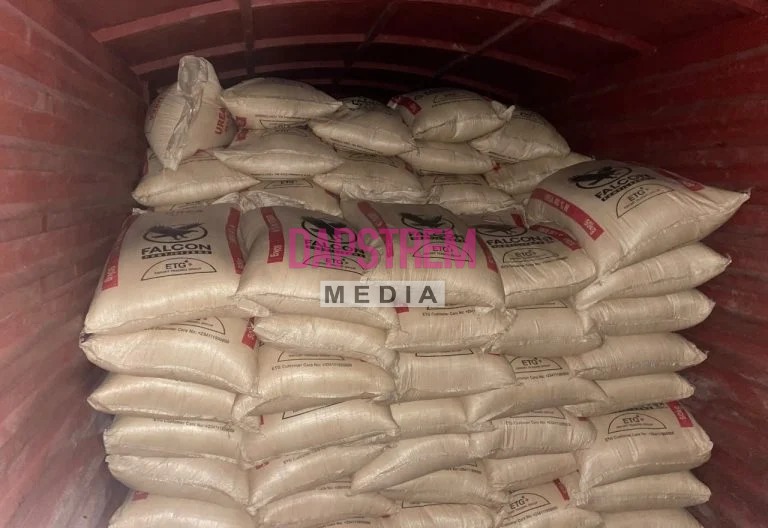
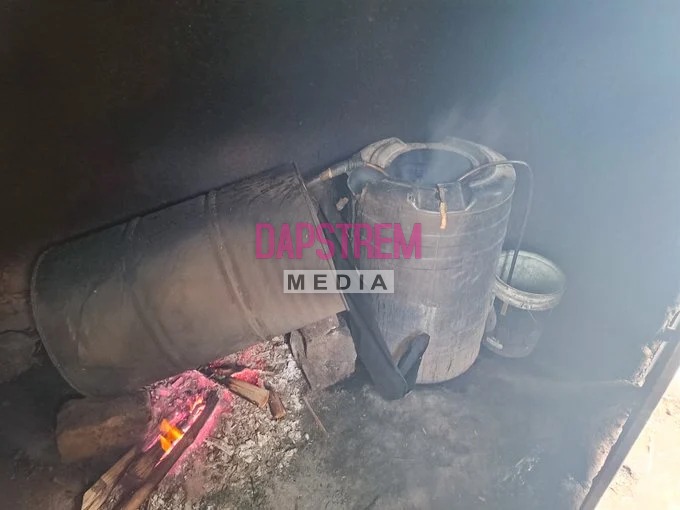
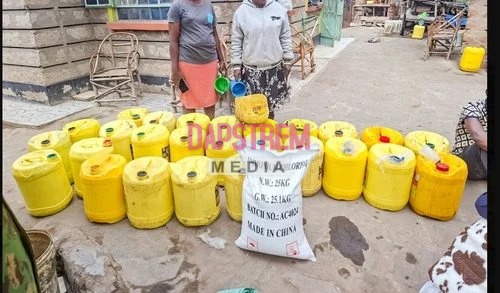
Police have arrested 19 persons of interest and seized 770 litres of suspected illicit alcoholic drinks during a crackdown in Machakos County, in a renewed effort to curb the production, distribution and sale of unregulated alcohol.
The operation underscores the government’s continued efforts to dismantle illegal brewing networks and protect residents from alcoholic products that may pose serious health risks. It also brings renewed attention to the persistent challenge of illicit brews in Kenya, where authorities have repeatedly warned that unregulated alcohol can endanger lives, destroy families and undermine efforts to promote responsible drinking.
The arrests and seizure form part of the wider campaign against illegal alcohol, which has seen police and other government agencies conduct intelligence-led operations in different parts of the country. Such operations target suspected brewing sites, storage facilities, distribution channels and outlets believed to be selling alcohol outside the law.
The recovery of 770 litres represents a significant quantity of suspected illicit alcohol removed from circulation during the operation. However, the precise locations raided, the identities of the arrested individuals, the type of alcohol recovered and the intended destinations of the seized products were not independently established in the available reporting.
The 19 individuals have been described as persons of interest. Their arrest does not, by itself, establish that they committed an offence, and the allegations against anyone suspected of involvement must be tested through the appropriate legal process.
The latest crackdown nevertheless highlights the importance of sustained enforcement, effective public participation and stronger oversight of alcohol production and distribution in Machakos and other parts of Kenya.
Crackdown Targets Illegal Alcohol Trade
The illicit alcohol trade has remained a major concern for security agencies because of the potential risks associated with products manufactured or distributed outside the required legal and safety standards.
Unlike alcohol produced by properly licensed manufacturers, illicit brews may be prepared using unregulated ingredients, unsafe equipment or processes that do not meet established quality requirements. Their composition and strength may also be uncertain, leaving consumers exposed to potentially dangerous substances.
In some cases, counterfeit alcoholic drinks are packaged to resemble established brands, making it difficult for unsuspecting customers to distinguish genuine products from potentially unsafe alternatives.
Police operations therefore aim to identify not only the people selling the drinks but also those responsible for producing, storing, transporting and supplying them. Investigators may need to establish where the alcohol originated, how it entered the market and whether a wider network was involved.
The arrest of 19 persons of interest in Machakos could help investigators establish whether the seized drinks were connected to a broader distribution operation. However, further details would be needed before drawing conclusions about the scale or organisation of the suspected trade.
The seizure also raises questions about the channels through which illegal alcohol reaches consumers. Products may pass through several hands before reaching retail outlets, making it difficult to dismantle a supply chain by targeting sellers alone.
For that reason, authorities must combine raids with investigations into suppliers, transporters, storage facilities and the businesses that may facilitate the distribution of illegal products.
Kenya has previously witnessed similar operations in which police recovered large quantities of illicit alcohol and arrested people suspected of participating in the trade. In February 2026, for example, officers from Kangundo Police Station in Machakos conducted an operation targeting suspected illegal activities, while other coordinated operations across the country recovered illicit alcohol and drugs.
The continued recurrence of such cases demonstrates why authorities are under pressure to maintain enforcement beyond individual raids and address the factors that allow illegal alcohol markets to persist.
Why Illicit Brews Remain a Public Health Concern
The risks associated with illicit alcohol extend beyond the question of whether a seller has the required licence. The quality, composition and strength of the product can have serious consequences for consumers.
Alcohol that has not undergone appropriate quality controls may contain harmful contaminants or unsafe concentrations of substances used during production. Where counterfeit products are involved, consumers may have no reliable way of knowing what they are drinking.
Methanol poisoning is one of the most serious dangers associated with contaminated alcoholic products. Methanol is toxic to humans and can cause severe illness, permanent blindness or death when consumed in dangerous quantities.
It is important to note that not every illicit brew contains methanol, and the safety of the 770 litres seized in Machakos cannot be determined from the reported quantity alone. Laboratory testing and investigations would be needed to establish the composition of the recovered products.
Nevertheless, the possibility of contamination makes the trade a serious public health issue. Consumers may be unable to identify dangerous alcohol through its appearance, smell or taste, particularly when a product is packaged to resemble a familiar brand.
Excessive alcohol consumption can also cause significant harm even when the drink is not contaminated. Heavy drinking is associated with injuries, alcohol dependence, liver disease and other health complications. Where alcohol is manufactured or sold without adequate controls, these risks can be compounded by uncertainty about its ingredients and strength.
The authorities’ efforts to remove suspected illicit products from circulation are therefore important, but enforcement alone cannot address every aspect of alcohol-related harm.
Public education, accessible treatment and rehabilitation services, responsible retail practices and effective regulation are also necessary to protect consumers and reduce harmful drinking.
Residents should avoid purchasing alcohol from suspicious or unlicensed outlets and should not consume drinks whose origin or safety cannot be established. Anyone who develops serious symptoms after drinking a suspicious product should seek urgent medical attention rather than attempting to manage the condition at home.
The Impact on Families and Communities
The illicit alcohol trade can have consequences that reach far beyond the individuals who manufacture or sell the products.
Families may suffer when alcohol dependence affects household finances, employment, parenting responsibilities and relationships. Money that would otherwise support food, school fees, rent or medical care may be spent on alcohol, leaving dependants vulnerable to financial hardship.
In households affected by harmful drinking, relatives may also face emotional distress, domestic conflict and the burden of caring for someone experiencing alcohol-related illness.
Young people are another group of concern. Easy access to cheap, unregulated alcohol can expose them to harmful drinking patterns, particularly where sellers ignore age restrictions or operate near places frequently visited by students and other young people.
Communities can also experience broader economic effects. Workers whose health is affected by alcohol misuse may struggle to maintain consistent employment, while small businesses and families may bear the costs of treatment, lost income and other consequences.
The government has repeatedly linked its campaign against illicit alcohol to the protection of young people, family stability and national productivity. Security officials have also argued that some illegal drinking establishments can become associated with other unlawful activities, although the circumstances must be established in each individual case.
The Machakos operation offers an opportunity to examine these wider concerns without assuming that every person arrested was necessarily involved in the same activity or that every establishment selling alcohol operates illegally.
The objective should be to identify and address unlawful conduct while ensuring that legitimate businesses are not unfairly targeted.
Machakos Has Faced Previous Crackdowns on Illicit Alcohol
The latest operation comes amid a history of enforcement efforts against illegal alcohol in Machakos County.
In March 2024, the government intensified a national crackdown targeting illicit brews and unregulated second-generation alcoholic drinks. During that period, Interior officials reported hundreds of arrests and numerous raids across Machakos as security agencies stepped up efforts to disrupt the trade.
Other operations have targeted suspected counterfeit alcohol in areas including Mumbuni, Mlolongo, Kangundo and Matungulu.
In January 2026, a multi-agency team led by the National Authority for the Campaign Against Alcohol and Drug Abuse recovered suspected counterfeit alcoholic products valued at approximately Sh13 million from premises in Kabaa, Machakos County.
According to reports, officers found thousands of bottles of suspected counterfeit spirits, fake Kenya Revenue Authority excise stamps and empty bottles bearing labels associated with established alcohol brands. The findings raised concerns about possible repackaging and distribution activities.
The case illustrated how illegal alcohol operations may involve more than the traditional image of a small, improvised brewing site. Some suspected networks may use storage facilities, packaging materials and distribution arrangements to move products into the market.
However, the January 2026 seizure and the latest recovery of 770 litres are separate reported incidents. There is no confirmed evidence establishing that they involve the same individuals or supply network.
The history of enforcement in Machakos demonstrates that the county remains an important area for efforts to combat illicit alcohol. It also raises a broader question about how authorities can ensure that the impact of raids lasts beyond the day an operation is conducted.
Seizing illegal products can interrupt supply temporarily, but lasting progress depends on identifying suppliers, securing evidence, pursuing cases through the courts and preventing the same networks from resuming operations.
Authorities must also ensure that investigations distinguish between genuine counterfeit or illicit products and lawful goods, using the appropriate verification procedures where necessary.
Police and Other Agencies Face Pressure to Sustain Enforcement
The fight against illicit alcohol involves more than police officers conducting searches and making arrests. It requires coordination between several institutions responsible for licensing, product standards, taxation, public health and consumer protection.
The National Police Service can investigate suspected criminal activity, arrest suspects where legally justified and secure evidence. Other agencies may be required to establish whether products meet applicable standards, whether excise requirements have been met and whether the premises involved were authorised to manufacture or sell alcoholic drinks.
The National Authority for the Campaign Against Alcohol and Drug Abuse also plays a role in public education, prevention and efforts to address alcohol and substance misuse.
The Kenya Bureau of Standards may be involved in examining products where questions arise about quality or compliance with applicable standards. The Kenya Revenue Authority has responsibilities relating to excise duties and the use of excise stamps on regulated products.
Cooperation among these agencies can help investigators establish the nature of the suspected offences and determine the appropriate legal action.
In the Machakos case, further information about laboratory testing, the suspected source of the seized drinks and the next steps in the investigation would help the public understand the full significance of the operation.
The handling of the 19 persons of interest will also be important. Investigators must gather admissible evidence, observe the rights of suspects and present any supported allegations before the courts.
A successful crackdown should ultimately be measured not only by the number of arrests or litres seized but also by whether illegal supply chains are disrupted, dangerous products are kept away from consumers and offenders are held accountable through lawful procedures.
Transparency is essential. Authorities should provide updates when appropriate, explain the outcomes of investigations and avoid presenting allegations as established facts before the legal process has run its course.
Public Cooperation Remains Important
Members of the public can support efforts against illicit alcohol by reporting suspected illegal brewing, counterfeit products and unlicensed sales to the relevant authorities.
Information from residents can help investigators identify locations that might otherwise remain hidden, particularly where illegal production takes place away from busy commercial centres.
However, reports should be made responsibly. Members of the public should avoid confronting suspected criminals, entering potentially dangerous premises or spreading unverified accusations against individuals or businesses.
Anyone with relevant information should use official police reporting channels and allow trained officers to investigate.
Consumers also have a role in reducing demand for unsafe products. Purchasing alcohol only from legitimate, appropriately licensed outlets and avoiding suspiciously packaged drinks can reduce exposure to counterfeit or unregulated products.
Retailers should ensure that their products come from verifiable sources, comply with applicable requirements and are sold in accordance with the law. Businesses that discover potentially counterfeit products should report their concerns rather than placing the products on sale.
Public awareness campaigns should also explain the health dangers of illicit alcohol in clear, accessible language. Warnings are more effective when people understand the risks, know how to identify suspicious products and have access to support when alcohol use becomes harmful.
At the same time, people experiencing alcohol dependence should be encouraged to seek medical care and rehabilitation support. Treating harmful alcohol use as both a health concern and a matter of public safety can help communities address its causes and consequences more effectively.
What Happens Next?
Following the seizure of 770 litres of suspected illicit brews and the arrest of 19 persons of interest, attention will turn to the next stages of the investigation.
Authorities will need to establish the origin of the recovered products, determine whether they were being manufactured or distributed unlawfully and identify anyone else who may have been involved.
The seized alcohol may also require examination to establish its composition and compliance with applicable standards. The results could help investigators determine whether the products posed specific health risks and which legal provisions may apply.
Any decision to charge the arrested individuals will depend on the evidence gathered and the requirements of the law. Those suspected of offences remain entitled to due process, and their guilt can only be established through the appropriate legal proceedings.
The case also presents an opportunity for authorities to communicate more clearly about the continuing campaign against illicit alcohol in Machakos. Residents will want to know whether the operation disrupted a larger network, whether further arrests are expected and what measures are being taken to prevent illegal products from returning to the market.
The broader challenge is ensuring that enforcement efforts are sustained, coordinated and supported by effective regulation. Without action against the sources of illegal products and the channels through which they reach consumers, individual seizures may offer only temporary relief.
For residents, the priority is a safer market in which alcoholic products can be traced to legitimate sources and consumers are not exposed to preventable health risks.
The arrest of 19 persons of interest and the seizure of 770 litres of suspected illicit brews mark another development in Kenya’s continuing campaign against illegal alcohol. The ultimate test will be whether the operation helps dismantle unlawful supply chains, strengthens public confidence and reduces the availability of potentially dangerous products.
As investigations continue, authorities will need to balance firm enforcement with transparency, respect for the rights of suspects and clear communication with the public. Protecting communities from illicit alcohol requires not only raids and arrests but also effective regulation, consumer awareness and sustained cooperation between government agencies and residents.