Bedbugs Disrupt Southeastern Train Services in England
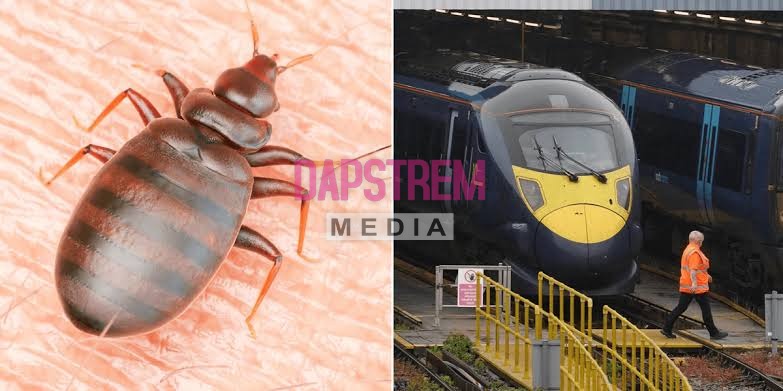
Train passengers in parts of south-east England have faced travel disruption after bedbugs were discovered in the drivers’ cabs of trains operated by Southeastern.
The sightings, first reported on September 22, led to several services being cancelled as the railway company removed affected trains from operation for inspection and treatment. The disruption affected some mainline routes serving areas including Battle, Tunbridge Wells and Sevenoaks.
The incident has raised concerns about cleanl

iness and working conditions on the railway network, although Southeastern has stressed that the problem was limited to a small number of trains.
Two Train Driver Cabs Found With Bedbugs
According to Southeastern, bedbugs were identified in the drivers’ cabs of two trains based at its West Marina depot near Hastings, East Sussex.
The company took the affected trains out of service while arrangements were made for inspection and, where necessary, treatment.
Two additional trains were also removed temporarily for checks but were subsequently found to be clear and returned to service, according to reports.
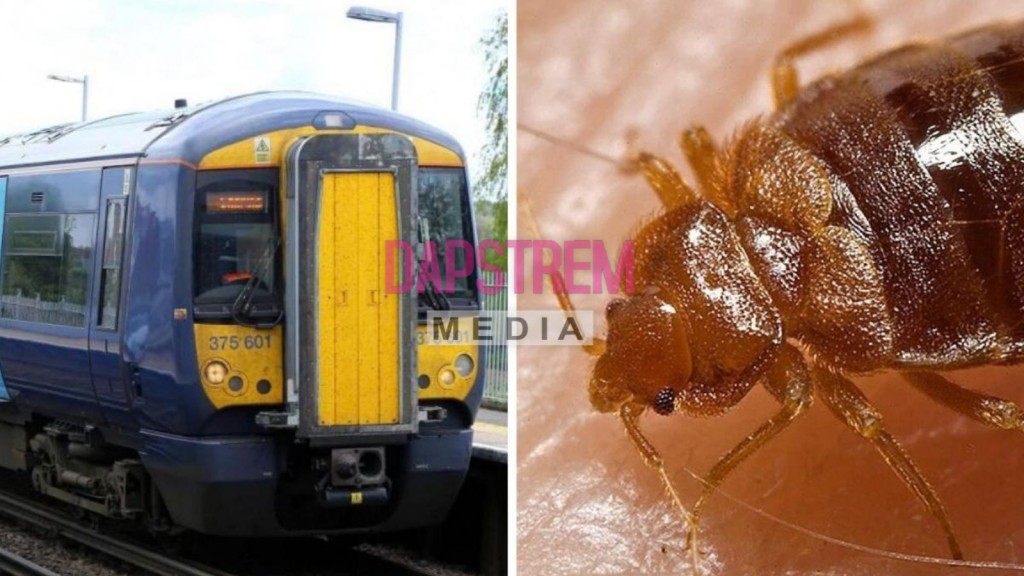
The discovery prompted cancellations as trains were withdrawn from the timetable, affecting passengers travelling between London and destinations across Kent and East Sussex.
Bedbugs are small insects that can hide in fabric, luggage and other enclosed spaces. Their discovery in a train cab can require careful inspection and treatment before the affected area is considered suitable for use again.
Southeastern Reassures Passengers
Southeastern has sought to reassure passengers that the reported cases had not spread into passenger areas.
The company said the cases were contained to the drivers’ cabs of two trains and that no bedbugs had been identified in areas used by passengers. It also said none had been found on its High Speed 1 services.
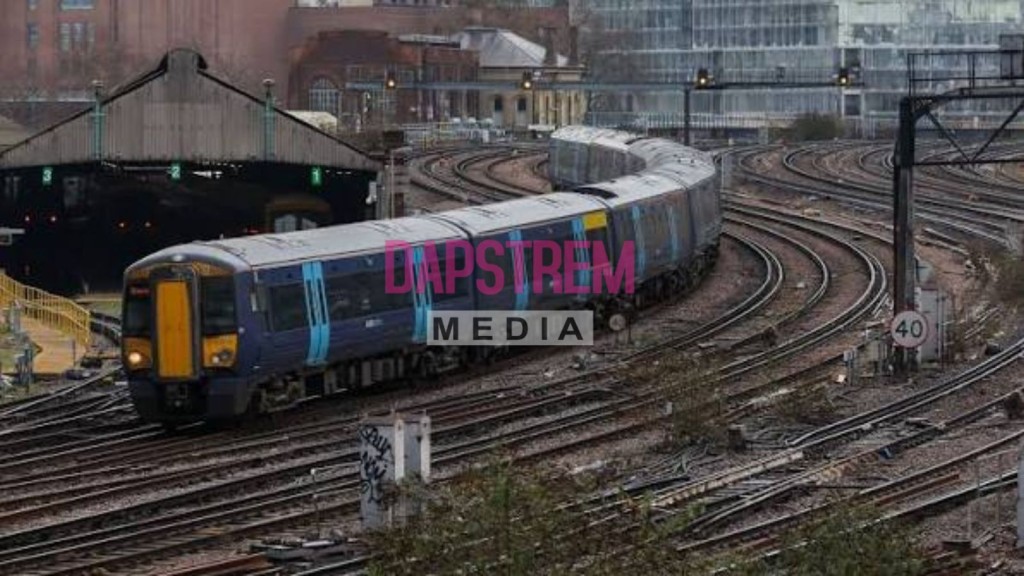
A spokesperson for Southeastern explained that trains are checked thoroughly following reports of this kind before they are returned to operation.
“When we receive reports such as these we check trains thoroughly before they are put back into service when given the all clear,” the spokesperson said.
The company also highlighted its cleaning procedures across trains and stations, saying these measures were intended to help passengers and employees travel safely and confidently.
Mainline Routes Affected by the Disruption
The cancellations affected some mainline services operating through parts of Kent and East Sussex.
The routes serve towns and communities including Battle, Tunbridge Wells and Sevenoaks, connecting passengers with wider transport links and London.
When trains are withdrawn at short notice, passengers may need to adjust their travel plans, allow additional time for journeys or seek alternative services.
The extent of the disruption varied as trains were inspected and removed from service. Passengers using the affected routes were therefore advised to check the latest service information before travelling.
The incident also highlighted how a problem involving a small number of trains can affect the wider timetable when replacement trains and available staff are limited.
Why Bedbug Reports Require Careful Inspection
Bedbugs can be difficult to detect because they hide in small spaces, including seams and crevices around furniture and fabric. Finding them in a confined area such as a train driver’s cab requires a thorough response to establish the extent of the problem.
Removing a train from service allows the operator to inspect the affected area and arrange appropriate treatment where needed.

Southeastern’s response was intended to ensure that affected trains were not returned to normal operation until the necessary checks had been completed.
The company did not report bedbugs in passenger areas, making it important to distinguish the confirmed findings in drivers’ cabs from wider claims of an infestation across the network.
What Passengers Should Know
Passengers travelling on Southeastern services should check official service updates before setting off, particularly if their journey uses the affected mainline routes.
The company has said affected trains are checked before returning to service once they have been given the all-clear. However, passengers should rely on current operator updates for information about individual services and any continuing disruption.
The incident demonstrates the importance of reporting suspected pest problems promptly and ensuring that trains receive appropriate inspections before they return to operation.
Bedbugs Incident Raises Questions Over Rail Cleanliness
The discovery of bedbugs in two Southeastern train drivers’ cabs resulted in cancellations and renewed attention on railway cleaning and inspection procedures.
While the company has maintained that the cases were limited and that no bedbugs were found in passenger areas, the disruption still affected some services across the network.
For passengers, the immediate concern is reliable travel information and reassurance that affected trains are being inspected properly. Southeastern says trains must be thoroughly checked and cleared before returning to service.
As inspections and treatment continue where necessary, the operator’s updates remain the key source of information for passengers seeking to establish whether their journeys may be affected.