Somalia Sets April 15, 2027, for Parliamentary Elections and May 15 for Presidential Vote
Somalia has announced a timetable for its next federal parliamentary and presidential elections, setting April 15, 2027, for parliamentary polls and May 15, 2027, for the presidential election. The announcement by the National Independent Electoral and Boundaries Commission (NIEBC) provides a schedule for the country’s next national electoral process as political leaders prepare for a crucial period in Somalia’s governance.
According to the electoral commission, elections for both chambers of the Federal Parliament are scheduled to take place on April 15, 2027, while the presidential vote will follow exactly one month later, on May 15. The commission said the dates were established in line with its constitutional mandate and the provisions of the National Elections Law.
The timetable marks an important development in Somalia’s preparations for the next election cycle, with the coming months expected to bring political party registration, candidate submissions, voter registration activities and other preparations necessary for the polls.
The announcement also comes amid ongoing debate over Somalia’s electoral system, constitutional changes, the timing of the elections and the need to secure broad political agreement on how the country should conduct its next national vote.
For Somalia, the elections will determine the composition of the next federal legislature and the country’s next president. The process will also test the ability of electoral authorities and political leaders to manage competing interests, address disagreements and create conditions for an election that is accepted by the country’s major political stakeholders.
The electoral calendar was announced on Thursday, October 15, 2026, as the commission outlined key milestones leading to the proposed voting dates. According to reports by Shabelle Media Network and Goobjoog English, the schedule places parliamentary elections first, followed by the presidential vote in May.
The commission’s announcement provides a clearer timeline for preparations, although the successful implementation of the calendar will depend on the progress of electoral arrangements and the political environment in the months ahead.
Electoral Commission Outlines Key Dates
The commission has set out a series of activities that will precede the parliamentary and presidential elections, beginning with the reopening of registration for political parties and voters.
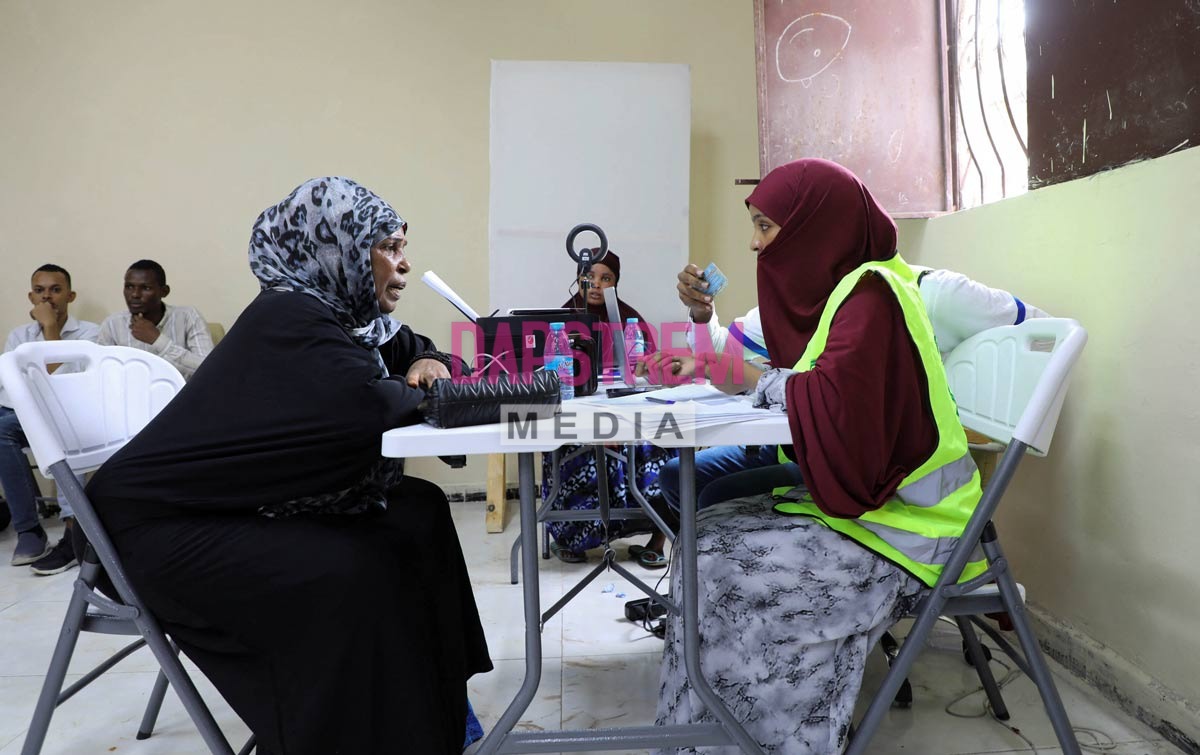
According to the published timetable, political party and voter registration will reopen from November 1 to November 22, 2026. The period is expected to provide an opportunity for eligible political organisations and voters to complete the relevant registration requirements as preparations for the elections continue.
The submission of candidate lists for both chambers of the Federal Parliament is scheduled for November 22, 2026. This deadline will be an important milestone for political organisations preparing to participate in the parliamentary elections, as they will need to identify their candidates and meet the applicable requirements.
The provisional voter register is scheduled for publication on January 21, 2027, allowing the electoral process to move towards the finalisation of the list of eligible voters. The final voter register is expected to be published on March 15, 2027, one month before the scheduled parliamentary elections.
Campaigning for the parliamentary polls is due to begin on February 27, 2027. This will provide candidates and political organisations with a formal period to present their programmes, communicate their priorities and seek support ahead of election day.
The parliamentary elections are scheduled for April 15, 2027, while the presidential election is set for May 15.
The sequence places the selection of members of parliament before the presidential vote. This is significant because Somalia’s president is elected through the federal parliamentary system rather than by a direct nationwide popular vote.
Under this arrangement, members of the two parliamentary chambers participate in the process of electing the president. Consequently, the composition of the new Federal Parliament will be central to the presidential contest and to the political negotiations that may take place before the vote.
The schedule gives political actors a series of deadlines against which to plan their activities. However, the publication of an election calendar does not by itself resolve every question surrounding the process, particularly where political disagreements remain over the electoral framework and the institutions responsible for implementing it.
Why the 2027 Elections Matter for Somalia
The forthcoming elections come at an important moment in Somalia’s continuing efforts to strengthen its federal institutions and establish a stable electoral system.
For decades, Somalia has faced challenges associated with political instability, insecurity, institutional weakness and disagreements between the federal government and federal member states. The country has made efforts to rebuild its institutions following years of conflict, but the process of developing an electoral system accepted by the major political actors remains complex.
The next elections will therefore be significant not only because they will determine who occupies key political positions, but also because they will test the country’s ability to manage political competition through established legal and constitutional processes.
The Federal Parliament plays a central role in national legislation, oversight and the representation of political interests. Its composition can influence the government’s ability to advance policies, pass laws and respond to the country’s economic, security and governance challenges.
The presidential election is equally important because the president occupies the highest executive office and plays a central role in setting national priorities, directing the federal government and representing Somalia in regional and international affairs.
The election process will unfold against the backdrop of ongoing security operations against Al-Shabaab, which continues to threaten civilians and conduct attacks in parts of the country. The government also faces challenges involving public services, economic development, institutional capacity and relations between the federal government and regional administrations.
These issues are likely to remain part of the wider political debate as the country approaches the elections. Candidates and political organisations will be expected to explain their positions on security, economic opportunities, public administration and the future of Somalia’s federal system.
The credibility of the electoral process will also matter. A timetable can provide certainty about planned dates, but public confidence will depend on whether the process is conducted transparently, whether political participants are treated fairly and whether disputes are handled through credible legal mechanisms.
Political Disagreements Remain a Major Challenge
Although the announcement establishes a proposed electoral timetable, Somalia’s election preparations have taken place amid disagreements over constitutional changes and the framework for choosing national leaders.
In March 2026, Somalia’s parliament approved constitutional amendments that prompted debate over their implications for the timing of elections and the duration of the president’s mandate. Opposition lawmakers criticised the changes, while questions remained over how the amended constitutional provisions would affect the electoral calendar.
The disagreements reflect a wider challenge facing Somalia: how to move towards a more direct electoral system while ensuring that the process has sufficient political support and operates within a framework accepted by the principal stakeholders.
The federal government and opposition figures have held differing positions on electoral arrangements, including the proposed transition towards a one-person, one-vote system. The debate has also involved relations between the federal government and some federal member states, which have expressed objections to aspects of the constitutional and electoral framework.
These differences matter because Somalia’s political system involves several levels of government and a range of actors whose cooperation can affect the practical implementation of national decisions.
The electoral commission’s timetable represents a formal step towards organising the elections, but negotiations and consultations may remain necessary to address disputes over implementation, participation and the interpretation of relevant legal provisions.
A broadly accepted electoral framework would help clarify the responsibilities of political institutions and provide greater certainty for parties, candidates and voters. Conversely, unresolved disputes could create difficulties for the implementation of the schedule and affect confidence in the process.
The coming months will therefore be important in determining whether political leaders can reach sufficient agreement to move preparations forward while respecting the country’s constitutional and legal requirements.
The Role of the National Electoral Commission
The National Independent Electoral and Boundaries Commission is responsible for managing key aspects of the electoral process, including the preparation of election schedules and the coordination of activities required for voting.
Its responsibilities include overseeing relevant registration processes, setting procedures for candidate participation and working towards the organisation of elections in accordance with the law.
For the 2027 elections, the commission will be expected to coordinate the activities listed in the timetable and provide political organisations and voters with the information needed to participate.
The registration of parties and voters will be particularly important because it helps establish the administrative basis for the election. Candidate submissions will also require attention to deadlines and eligibility requirements, while the preparation of voter registers will be necessary for identifying those eligible to take part.
As the dates approach, the commission will need to communicate changes or clarifications through official channels and ensure that participants understand the applicable rules.
Transparency will be central to this responsibility. Clear procedures, accessible information and consistent enforcement of electoral requirements can help build confidence among political participants and the public.
The commission may also face pressure to address concerns raised by parties or candidates about registration, nomination requirements and the handling of disputes. How such concerns are managed could influence perceptions of the electoral process.
For Somalia, the commission’s task will involve more than announcing dates. It will need to coordinate a series of administrative and political activities in a complex environment while working within the relevant constitutional and legal framework.
Parliamentary Elections Will Shape the Presidential Contest
The decision to hold parliamentary elections before the presidential vote reflects the structure of Somalia’s federal political system.
Unlike countries where voters directly elect the president through a nationwide ballot, Somalia’s president is elected by members of the Federal Parliament. This makes the composition of the legislature a central factor in the presidential election.
The April 15 parliamentary elections will determine the membership of the two chambers that participate in the presidential selection process. Political parties, alliances and other political groupings will therefore have an interest in the outcome of the parliamentary contest.
The results could influence negotiations over presidential candidates, political partnerships and the direction of the next federal administration. However, the eventual outcome will depend on the composition of parliament, the choices made by lawmakers and any political agreements reached before the presidential vote.
The parliamentary elections will also determine which representatives participate in national legislation and oversight during the next political period.
For candidates seeking parliamentary seats, the campaign will provide an opportunity to present their positions on national issues and explain how they intend to represent their constituencies within the federal system.
The presidential election, scheduled for May 15, will then bring the parliamentary process into focus as lawmakers choose the country’s next head of state.
This sequence means that the two election dates are closely connected. The parliamentary vote is not simply a separate exercise that precedes the presidential election; it is part of the institutional process through which Somalia selects its president.
Security and Logistics Will Be Critical
Organising national elections in Somalia involves logistical and security challenges that electoral authorities will need to consider as preparations progress.
Al-Shabaab remains a major security threat, and attacks have affected civilian life and government operations in different parts of the country. The security situation can complicate the movement of electoral materials, the work of election officials and the ability of voters and candidates to participate safely.
The scale of the preparations will also require coordination among electoral authorities, government institutions, security agencies and relevant local administrations.
Voter registration, candidate verification, the preparation of voter lists and the distribution of election materials all require planning and sufficient administrative capacity. Any delays in these activities could place pressure on the published timetable.
The country’s federal structure adds another layer of complexity, as cooperation between the federal government and member states can influence the implementation of national electoral arrangements.
Security planning will need to account for the different conditions in areas where the elections are expected to take place. At the same time, election officials will need to ensure that security measures do not unnecessarily restrict lawful political participation.
A successful process will require the authorities to balance the protection of voters and election workers with the need to provide candidates and political organisations with a fair opportunity to participate.
The commission’s published dates provide a framework for this work, but practical implementation will depend on conditions on the ground and the coordination of the institutions involved.
What the Elections Could Mean for Somalia’s Future
The 2027 elections will provide an opportunity for Somalia’s political institutions to demonstrate their ability to manage leadership changes through an established process.
A credible election could help strengthen confidence in public institutions, clarify political mandates and provide a framework for addressing disagreements through constitutional channels. It could also give the incoming parliament and president an opportunity to set priorities for national development and governance.
However, the significance of the elections will depend on more than whether voting takes place on the scheduled dates. The process will also need to address concerns about participation, transparency, security and the acceptance of results.
Political parties and candidates will have a responsibility to respect the applicable rules and use lawful mechanisms to raise concerns. Electoral authorities, meanwhile, will need to administer the process impartially and communicate decisions clearly.
The ability of political leaders to manage disagreements constructively will be particularly important in a country where relations between the federal government and some member states have remained strained.
The elections could also influence Somalia’s regional and international relationships. A stable and credible political transition would be relevant to partners working with the country on security, economic development and institutional strengthening.
At the same time, the next administration will face substantial challenges, including insecurity, economic pressures and the need to improve the delivery of public services. The election campaign is likely to bring these issues into focus as candidates and political organisations explain their priorities.
For voters and other participants, the months ahead will provide an opportunity to follow the preparations, examine the positions of political actors and assess whether the process is progressing according to the published schedule.
What Happens Next?
The immediate focus will be on the reopening of political party and voter registration on November 1, 2026, followed by the November 22 deadline for submitting parliamentary candidate lists.
The commission is then expected to publish the provisional voter register on January 21, 2027, as the country moves closer to the parliamentary campaign period beginning on February 27.
The final voter register is scheduled for March 15, ahead of the parliamentary elections on April 15. The presidential vote is planned for May 15, 2027.
These milestones will serve as important indicators of progress towards the elections. Political organisations, candidates and voters will be watching to see whether the commission can complete the required preparations and whether outstanding disagreements can be managed within the legal framework.
The dates announced by the commission provide a formal calendar for Somalia’s next federal electoral cycle. However, their implementation will depend on the practical preparations, the security environment and the ability of political stakeholders to address disputes over the electoral process.
For now, Somalia is preparing for parliamentary elections in April 2027 and a presidential election in May. The coming months will be crucial in determining whether the timetable can be implemented and whether the process can command broad confidence across the country.
The stakes extend beyond the selection of lawmakers and a president. The elections will also test Somalia’s political institutions, its federal relationships and its efforts to establish a stable, transparent and broadly accepted system for choosing national leaders.