
WFP Warns of Worsening Food Crisis as World Food Day Highlights Rising Hunger, Conflict, Climate Change and Funding Shortages Threatening Millions Worldwide
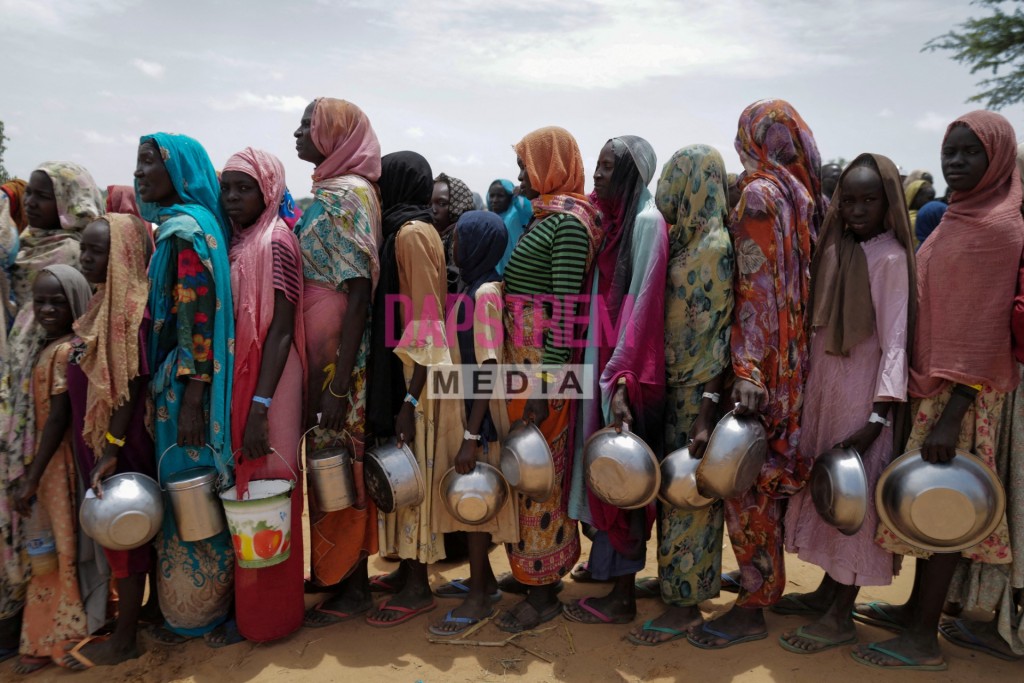
The United Nations World Food Programme (WFP) has warned that the global food crisis remains a serious humanitarian concern as the world marks World Food Day, with millions of people continuing to struggle to access sufficient, safe and nutritious food.
The warning comes at a time when conflict, climate-related disasters, economic instability and funding shortages are placing growing pressure on food systems across the world. For millions of households, the challenge is no longer simply producing enough food but ensuring that people can afford it and that supplies reach communities facing the greatest need.
World Food Day, observed every year on October 16, provides an opportunity for governments, humanitarian organisations, farmers and communities to assess progress in the fight against hunger. It also draws attention to the millions of people who remain unable to obtain adequate food despite advances in agricultural technology, transportation and food production.
This year’s theme, “Innovate Today. Nourish Tomorrow,” calls for greater investment in innovation, technology and sustainable food systems to make nutritious food more accessible and affordable. The theme highlights the importance of combining scientific advances with the knowledge of farmers, pastoralists, fishers and other people who contribute to food production.
According to the Food and Agriculture Organization of the United Nations (FAO), approximately 645 million people faced hunger in 2025, while about 2.69 billion people could not afford a healthy diet. These figures demonstrate the scale of the challenge facing the international community as it works towards ending hunger and improving nutrition.
The warning from WFP also highlights the fragile nature of recent progress. Although global hunger declined for a third consecutive year in 2025, improvements have been uneven and remain insufficient to guarantee that the world will achieve its food-security targets by 2030.
For families already living in poverty, even a modest increase in the price of staple foods can mean fewer meals, smaller portions or the loss of essential nutrients. For communities affected by drought, floods or conflict, the consequences can be even more severe.
As the world celebrates World Food Day, the central message is that hunger cannot be addressed through food production alone. Governments and development partners must also tackle poverty, strengthen local food systems, support farmers and ensure that vulnerable communities receive assistance before their situation deteriorates further.
Conflict and Climate Change Deepen Global Hunger
Conflict remains one of the most significant drivers of severe food insecurity in several parts of the world. Fighting can force farmers to abandon their land, destroy crops, interrupt trade and prevent humanitarian organisations from delivering assistance to people who need it.
In countries affected by prolonged violence, households may lose access to markets, farmland, livestock and employment. Even when food is available elsewhere, damaged roads, insecurity and restrictions on humanitarian access can make it difficult to reach communities experiencing the greatest shortages.
The joint food-security warning issued by FAO and WFP in June 2026 identified 13 hunger hotspots where acute food insecurity was expected to worsen between June and November. Sudan, South Sudan, Yemen and Palestine were among the areas of highest concern, while northeastern Nigeria and Somalia were also facing deteriorating conditions.
In Sudan, prolonged conflict has disrupted livelihoods and agricultural activities, leaving millions of people struggling to obtain enough food. Displacement has forced families away from their homes and sources of income, while insecurity has complicated the delivery of humanitarian assistance.
South Sudan continues to face severe food insecurity linked to conflict, displacement, economic pressures and climate-related shocks. In parts of the country, families depend heavily on humanitarian support to meet their daily nutritional needs.
Somalia has also experienced persistent drought, poor harvests, displacement and insecurity. These pressures have weakened the ability of households to recover from one difficult season before the next crisis emerges.
The situation in Gaza has demonstrated how conflict can disrupt food production, supply chains and access to basic necessities. Even when humanitarian supplies are available, restrictions, insecurity and damage to infrastructure can prevent sufficient assistance from reaching vulnerable households.
Climate change adds another layer of difficulty. Droughts can destroy crops and reduce pasture for livestock, while floods may wash away fields, damage roads and contaminate water supplies. Extreme heat can also reduce agricultural productivity and increase the amount of water required for farming.
These effects are particularly severe in communities that depend on rain-fed agriculture and have limited resources to recover from repeated disasters.
When harvests fail, farmers may be forced to sell livestock, borrow money or reduce household food consumption. Some families may withdraw children from school or migrate in search of employment, creating additional social and economic difficulties.
The combination of conflict, climate shocks and economic instability means that food insecurity often develops through several connected problems rather than a single event.
Addressing the crisis therefore requires more than emergency food deliveries. It also demands conflict prevention, reliable humanitarian access, climate adaptation, agricultural investment and policies that help households recover from shocks.
Funding Shortages Threaten Humanitarian Assistance
As the number of people requiring assistance remains high, humanitarian organisations are also confronting the challenge of securing sufficient funding to respond effectively.
WFP relies on voluntary contributions from governments, institutions, businesses and individuals to support its emergency operations and longer-term programmes. When donations fall short of requirements, the organisation may have to reduce assistance, prioritise the most severe cases or scale back activities in some locations.
According to WFP’s 2026 global outlook, the organisation needs approximately US$13 billion to reach 110 million vulnerable people during the year. The agency has warned that rising humanitarian needs and funding constraints are making it increasingly difficult to maintain assistance at the scale required.
Funding gaps can have serious consequences for families who depend on food assistance to survive. Refugees, displaced people, children, pregnant women, older people and households without reliable sources of income are particularly vulnerable when support is reduced.
For a family that has lost its home or livelihood, food assistance can provide a vital safety net while it searches for employment, rebuilds its life or waits for conditions to improve.
When that assistance becomes insufficient, households may resort to harmful coping strategies. Parents may skip meals so their children can eat, families may reduce the nutritional quality of their diets, and people may sell productive assets to purchase basic necessities.
Such decisions can deepen poverty and make recovery more difficult. A farmer who sells essential livestock to survive a period of hunger, for example, may have fewer resources to restart production when the rains return.
Humanitarian funding also supports nutrition programmes, emergency food distributions, cash assistance and services that help communities recover from disasters.
Cash assistance can be particularly useful where markets are functioning and food is available for purchase. It allows households to decide which essential items they need most while supporting local traders and businesses.
However, cash transfers cannot solve every food crisis. Where conflict has disrupted markets or drought has caused severe shortages, direct food assistance and other emergency interventions may be necessary.
WFP and its partners therefore face the difficult task of matching limited resources to different emergencies while ensuring that people facing the greatest risks are not abandoned.
World Food Day provides an opportunity for donors and governments to reassess these needs and recognise that timely humanitarian assistance can prevent a difficult situation from becoming a much more expensive and devastating emergency.
Kenya Faces Growing Pressure From Food Insecurity
The global warning carries particular significance for Kenya, where millions of people in arid and semi-arid lands continue to face serious food-security challenges.
These areas are especially vulnerable to irregular rainfall, drought, poor pasture, water shortages and the effects of climate change. Many households depend on livestock keeping, small-scale farming and other activities that are closely linked to weather conditions.
Kenya’s latest Integrated Food Security Phase Classification assessment found that approximately 2.7 million people in the country’s arid and semi-arid lands faced Crisis-level acute food insecurity or worse between July and October 2026. Of those, about 348,000 were experiencing Emergency-level food insecurity.
The assessment reported a 55 per cent increase compared with the previous analysis, reflecting erratic rainfall, slow recovery of livelihoods, persistent vulnerabilities and insufficient humanitarian food-security assistance.
The outlook suggested that conditions could improve modestly between November 2026 and January 2027 if the short rains strengthened. However, around 2.1 million people were still projected to face Crisis-level hunger or worse during that period.
The figures underline the difficult circumstances facing households in counties where rainfall determines the availability of water, pasture and crops.
When rains fail, farmers may harvest less maize, beans and other staple foods. Pastoralists may travel longer distances in search of pasture and water, while livestock can lose body condition or die when conditions become severe.
These losses affect more than food availability. They also reduce household income and increase the cost of obtaining basic necessities.
Families may have to purchase food at a time when their earnings have fallen, creating a double burden that can quickly exhaust savings and other resources.
The consequences can be particularly difficult for children. Insufficient access to nutritious food can affect growth, development, concentration and general health. Children who experience prolonged malnutrition may face challenges that continue long after food supplies improve.
Pregnant and breastfeeding women also require adequate nutrition, making food insecurity a wider public health concern rather than simply an agricultural problem.
The situation highlights the importance of timely support for vulnerable households, including emergency food assistance, nutrition screening, access to clean water and healthcare, and programmes that help communities protect their livelihoods.
It also demonstrates why Kenya needs to strengthen its ability to anticipate drought and other climate-related emergencies before households lose the resources they depend on for survival.
Why Food Prices Matter to Ordinary Households
Food insecurity is not limited to communities experiencing drought or conflict. It can also affect households in towns and cities where food is available in shops and markets but remains too expensive for many people.
The cost of food influences how families allocate their monthly income. When prices rise, households may have to spend a greater proportion of their earnings on basic meals, leaving less money for rent, transport, school fees, healthcare and other necessities.
For low-income workers, informal traders and households dependent on irregular earnings, the pressure can be especially severe.
A family may continue purchasing food but switch from a varied diet to cheaper, less nutritious alternatives. Fresh vegetables, fruits, dairy products and protein-rich foods may become less affordable, even when staple foods remain available.
This creates a distinction between having enough calories to avoid immediate hunger and obtaining a balanced diet that supports good health.
FAO’s 2026 World Food Day information highlights the challenge of affordability, noting that billions of people cannot afford a healthy diet even though the world produces enough food to nourish everyone.
The problem is influenced by several factors, including production costs, transportation, storage, market access, household income and disruptions to supply chains.
Farmers may face high prices for fertiliser, seeds, fuel and equipment. Transporters must pay for fuel and vehicle maintenance, while traders incur costs moving products from farms to wholesale and retail markets.
When these costs increase, some of the pressure is passed on to consumers.
Post-harvest losses also contribute to food insecurity. Crops can spoil when farmers lack suitable storage, refrigeration or reliable transport. Food may be lost before reaching markets, reducing the amount available for sale and lowering the income farmers receive.
Investments in storage facilities, rural roads, processing equipment and efficient distribution systems can help reduce these losses while improving the availability of food.
Governments can also support vulnerable households through appropriately designed social-protection programmes, school meals and targeted assistance for people who struggle to meet basic needs.
Ultimately, food security requires both a dependable supply of food and the economic ability to obtain it.
Innovation Takes Centre Stage on World Food Day
This year’s World Food Day theme, “Innovate Today. Nourish Tomorrow,” calls attention to the role innovation can play in building stronger and more resilient food systems.
Innovation does not necessarily mean expensive machinery or sophisticated digital technology. It can include practical improvements that help farmers produce more food, reduce losses, conserve water and reach markets more efficiently.
For small-scale farmers, access to reliable weather information can make an important difference. Timely forecasts can help them decide when to plant, which crops to grow and how to prepare for periods of low rainfall.
Digital advisory services can also provide information about pest control, soil management, crop diseases and market prices. When accessible and affordable, such tools can help farmers make better decisions and reduce avoidable losses.
Improved seeds that are suitable for local climatic conditions may help some farmers withstand periods of drought or resist particular crop diseases. However, the choice of seed must reflect local needs, and farmers require guidance on the varieties best suited to their land and production systems.
Water management is another important area for innovation. Rainwater harvesting, efficient irrigation, soil conservation and better management of catchment areas can help communities make more effective use of limited water resources.
In areas where rain-fed farming is unreliable, appropriate irrigation systems can reduce dependence on rainfall. Such investments must nevertheless consider water availability, energy costs and the needs of other users.
Innovation also extends to storage and transportation. Better drying methods, secure grain storage and cold-chain facilities can reduce the amount of food lost after harvesting.
Farmers may also benefit from cooperatives that help them purchase inputs, access finance, share equipment and negotiate better prices for their produce.
Traditional knowledge remains equally important. Farmers and pastoralists have developed local approaches to managing land, selecting crops, conserving water and adapting to changing environmental conditions. Combining this experience with scientific research can help communities develop solutions that are practical and sustainable.
The FAO’s World Food Day campaign emphasises that transforming food systems requires cooperation among farmers, scientists, governments, investors, young people and local communities.
However, innovation must be accessible to the people who need it most. New technologies will have limited impact if small-scale farmers cannot afford them or if remote communities lack electricity, internet access, finance and training.
The objective should be to ensure that innovation improves food availability and affordability rather than widening the gap between well-resourced producers and vulnerable households.
Supporting Farmers Is Essential to Ending Hunger
Farmers are central to efforts to improve food security because they produce the crops, livestock and other agricultural products that sustain households and markets.
Yet many small-scale producers face barriers that limit their ability to increase production or recover from difficult seasons.
These include expensive farm inputs, limited access to credit, inadequate irrigation, poor storage facilities, unpredictable weather and difficulties reaching reliable markets.
When farmers cannot obtain affordable inputs at the right time, planting may be delayed or production reduced. When harvests are poor, they may struggle to repay loans or purchase supplies for the next season.
Government support can help address some of these challenges through agricultural extension services, improved infrastructure, accessible financing and programmes that encourage climate-smart farming.
Extension officers can help farmers adopt better production practices, manage pests and diseases, conserve soil and make informed decisions about the crops they grow.
Access to markets is equally important. Farmers need reliable buyers and fair prices that allow them to cover production costs and earn enough to support their families.
Cooperative marketing, improved rural roads and better market information can strengthen farmers’ bargaining power and reduce unnecessary costs between producers and consumers.
Investments in irrigation and water harvesting can also help farmers in suitable areas reduce dependence on increasingly unpredictable rainfall. Such projects should be supported by sustainable water management and maintenance plans.
For pastoralist communities, protecting grazing land, improving access to water and strengthening veterinary services can help preserve livestock and livelihoods during difficult periods.
Supporting farmers is not simply a way to increase food production. It is also an investment in rural employment, household incomes and the resilience of local economies.
When agricultural communities are better equipped to withstand shocks, they are more likely to continue supplying food even during periods of economic or environmental pressure.
Governments Must Turn World Food Day Commitments Into Action
World Food Day offers an opportunity for governments to assess whether their policies are making nutritious food more accessible and protecting people from hunger.
Public statements and awareness campaigns are important, but they must be accompanied by practical measures that address the causes of food insecurity.
One priority is improving early-warning systems. Authorities need reliable information about rainfall, crop conditions, food prices, livestock health and household nutrition so they can identify emerging risks before they become emergencies.
Early action may include distributing drought-resistant seeds, repairing water systems, providing temporary assistance to vulnerable households or supporting pastoralists before livestock losses become severe.
Such interventions can protect livelihoods and reduce the cost of responding after a crisis has escalated.
Governments must also ensure that emergency assistance reaches the people for whom it is intended. Transparent beneficiary selection, effective monitoring and accountability can help reduce waste and improve public confidence.
Nutrition should remain central to food-security policies. Programmes that focus exclusively on calories may overlook the importance of dietary diversity, maternal nutrition, infant feeding and access to essential health services.
School feeding programmes can help children receive regular meals while supporting attendance and learning. In some circumstances, they can also create reliable demand for produce supplied by local farmers.
Social-protection programmes can assist households that have lost income or face persistent difficulties meeting essential needs. These programmes are particularly important during periods of high food prices or severe weather.
Governments also need to work with humanitarian organisations, development partners, farmers’ groups and the private sector. No single institution can address the full range of challenges associated with food insecurity.
International cooperation remains important because conflicts, climate shocks and disruptions to trade can affect food supplies far beyond the countries where they originate.
The challenge is to build food systems that respond effectively to immediate emergencies while reducing the likelihood that communities will face the same crisis repeatedly.
The Road Ahead
The warning surrounding World Food Day comes at a time when the world has the knowledge and technological capacity to improve food production, storage and distribution, yet millions of people remain unable to access sufficient and nutritious meals.
The latest global estimates show that progress is possible, but the scale of hunger and the high cost of healthy diets demonstrate that much more remains to be done.
For countries affected by conflict, emergency food assistance and safe humanitarian access are essential. For drought-prone communities, climate adaptation, water management and livelihood protection can help reduce vulnerability. For households struggling with high food prices, improved incomes, effective social protection and stronger food markets are equally important.
In Kenya, the projected improvement in food security during the short-rains period offers some hope. However, the millions of people still expected to face crisis-level hunger or worse show that the country cannot rely on seasonal rainfall alone to resolve the problem.
Sustained investment in agriculture, nutrition, infrastructure and early-warning systems will be needed to protect vulnerable communities and strengthen resilience against future shocks.
World Food Day is therefore more than an annual reminder of hunger. It is a call for governments, humanitarian organisations, businesses and communities to work towards a future in which nutritious food is accessible to everyone.
The message behind “Innovate Today. Nourish Tomorrow” is that lasting progress requires practical solutions, adequate resources and cooperation across the entire food system.
As the world marks the day, the ultimate measure of success will not be the number of commitments made or campaigns launched. It will be whether families can afford balanced meals, farmers can sustain their livelihoods, children can grow without malnutrition and vulnerable communities can recover when disaster strikes.
Ending hunger remains an enormous challenge, but stronger food systems, timely assistance and sustained investment can help prevent millions of people from being left behind.