Machakos Opens Youth Service Recruitment for Young People Aged 18–34
The County Government of Machakos has opened recruitment for the Machakos Youth Service, targeting young people aged between 18 and 34 years as part of its continued efforts to tackle unemployment and promote economic empowerment among the youth.
The recruitment drive presents an opportunity for young people seeking practical skills, personal development and pathways towards employment or self-employment. The initiative is part of the county’s broader youth empowerment agenda, which seeks to equip residents with relevant skills that can help them become economically independent.
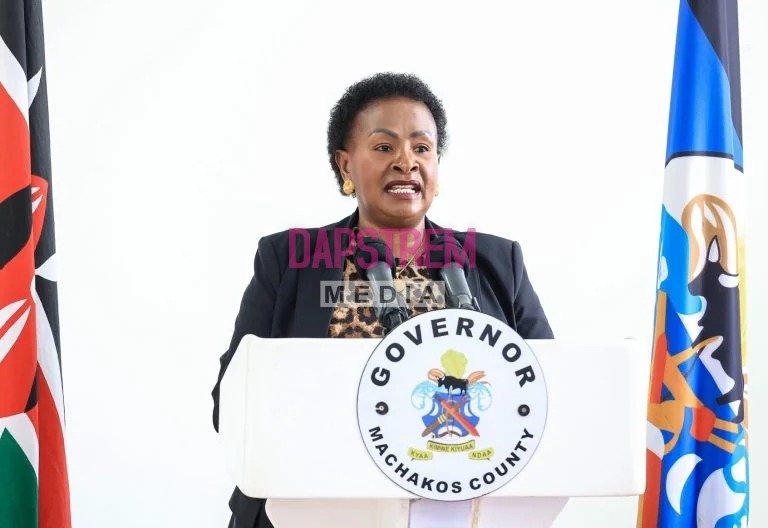
Machakos Governor Wavinya Ndeti has consistently emphasised the importance of investing in young people, arguing that skills development and vocational training are essential in addressing unemployment and improving household incomes.
The latest recruitment is expected to attract considerable interest from young people across the county, particularly those who have completed their education but remain unemployed or are struggling to secure meaningful economic opportunities.
The Machakos Youth Service programme is designed to provide more than conventional training. It combines discipline, life skills, technical education and practical exposure to prepare participants for the demands of the modern labour market.
For many young people, the opportunity could provide a fresh start by helping them acquire competencies that can be used in different sectors of the economy.
Machakos Youth Service seeks to address unemployment
Youth unemployment remains a major challenge in Kenya, with thousands of young people entering the labour market every year in search of jobs and sustainable sources of income.
Although education remains an important pathway to employment, many graduates and school leavers continue to face difficulties finding opportunities that match their qualifications.
The situation has pushed county governments and other institutions to explore alternative ways of supporting young people through vocational training, entrepreneurship programmes and digital skills development.
Machakos County is among the devolved units that have introduced structured youth empowerment initiatives aimed at addressing the challenge.
Through the Machakos Youth Service, the county seeks to equip young people with practical skills that can enable them to pursue employment opportunities or establish their own businesses.
The programme also aims to promote discipline, teamwork, timekeeping, responsibility and patriotism among participants.
These values are considered important in preparing young people for professional environments, where employers often require workers who can demonstrate reliability, commitment and the ability to work with others.
The initiative is also intended to help young people build confidence and develop a more positive outlook towards their future.
For those who may not have had access to specialised training opportunities, the programme could provide an avenue to develop new skills and improve their prospects of earning a living.
Governor Wavinya Ndeti’s youth empowerment agenda
Governor Wavinya Ndeti has repeatedly identified youth empowerment as one of the key priorities of her administration.
Since the introduction of the Machakos Youth Service, the county government has sought to expand opportunities for young people across its 40 wards.
The programme was initially launched in January 2025, with the first cohort comprising 1,000 young people drawn from different parts of the county.
The recruits underwent an initial 21-day residential training period at the Agricultural Training Centre in Machakos, where they received instruction in discipline, teamwork, timekeeping and other life skills.
Following the initial training, participants proceeded to technical and vocational training institutions within the county for specialised instruction.
The programme was structured to allow participants to gain practical skills in different fields before graduating and pursuing employment or self-employment opportunities.
The county government also indicated that beneficiaries would receive support to venture into business after completing their training.
The launch of the programme reflected the administration’s broader approach to youth empowerment, which places emphasis on equipping young people with knowledge and practical competencies rather than relying solely on financial handouts.
Wavinya has previously argued that empowering young people requires giving them the tools and skills necessary to build sustainable livelihoods.
The latest recruitment targeting young people aged 18 to 34 is therefore part of the county’s continued efforts to expand the programme and reach more beneficiaries.
Training opportunities and practical skills
One of the key components of the Machakos Youth Service is vocational and technical training.
The county has previously partnered with technical and vocational education and training institutions to provide participants with practical instruction in various fields.
These training opportunities are intended to prepare young people for industries where skilled labour is in demand.
Previous programme announcements have highlighted areas such as plumbing, electrical work, welding, beauty therapy and other technical fields.
Such skills can provide participants with opportunities to seek employment in established businesses or establish their own ventures.
For instance, a participant who acquires plumbing skills could pursue employment with construction companies or offer services to households and businesses.
Similarly, those trained in electrical installation, welding or beauty therapy could establish small businesses and gradually build their customer base.
The focus on practical skills is particularly important because many young people face financial barriers when seeking specialised training from private institutions.
By providing a structured empowerment programme, the county seeks to widen access to training and improve the ability of young people to compete in the labour market.
The initiative also recognises that not every participant will necessarily pursue formal employment. Some may choose entrepreneurship, while others could use the skills acquired to supplement existing income-generating activities.
Machakos expands opportunities through youth empowerment programmes
The Machakos Youth Service forms part of a wider county initiative that has also included digital empowerment programmes and other skills-based interventions.
In December 2025, the county announced a second cohort of its youth empowerment programme targeting 4,500 young people.
Under the initiative, 1,500 participants were expected to join the Machakos Youth Service, while another 3,000 were earmarked for the Youth Empowerment and Digital Programme.
The digital programme was designed to expose young people to skills that could help them participate in the growing digital economy.
The county has also announced training initiatives involving motor vehicle driving, bodaboda riding and digital hubs.
These different pathways reflect the county’s attempt to provide opportunities for young people with varied interests and career ambitions.
Digital skills are increasingly important in a labour market where businesses rely on technology for communication, marketing, administration and service delivery.
Young people who acquire relevant digital competencies may be able to pursue opportunities in online work, digital marketing, content creation and other technology-related activities.
At the same time, vocational training remains important for sectors that require hands-on technical expertise.
By expanding its youth empowerment programmes, Machakos County hopes to create a broader range of opportunities for residents seeking to improve their economic circumstances.
Recruitment targets young people across the county
The recruitment exercise is expected to attract applicants from different parts of Machakos County.
Previous intakes have drawn participants from the county’s 40 wards, reflecting the programme’s intention to reach young people beyond the county headquarters.
The county has also previously conducted recruitment through local administrative structures, including village-level processes and Sub-Chief offices.
Such arrangements are intended to make the recruitment process accessible to young people in different localities.
The programme’s focus on young people aged 18 to 34 places it within the age group commonly associated with youth empowerment initiatives.
However, prospective applicants should confirm the precise eligibility requirements, application procedure, recruitment dates and any required documents through official county announcements.
The current recruitment notice should be consulted for the latest instructions, since details may vary between cohorts.
Applicants are also encouraged to rely on official county communication channels and local administrative offices when seeking information about the exercise.
What the programme could mean for young people
The Machakos Youth Service could provide an important opportunity for young people who are struggling to find employment or access practical training.
For many households, unemployment among young adults creates significant financial pressure, particularly where parents and guardians continue to support their children long after they have completed school.
A programme that equips young people with employable skills could help reduce this burden by enabling participants to pursue income-generating activities.
The initiative could also contribute to the growth of small businesses across the county.
Young people who acquire technical skills may establish enterprises offering services to households, construction firms, commercial establishments and other customers.
As these businesses grow, they could create additional employment opportunities for other residents.
The programme may also help participants develop confidence, discipline and a stronger sense of responsibility.
These personal qualities can be important in entrepreneurship, where individuals must manage customers, finances, deadlines and business operations.
However, the long-term success of the programme will depend on the availability of adequate training facilities, qualified instructors, relevant equipment and meaningful opportunities for graduates to apply their skills.
Training alone may not be sufficient to address youth unemployment unless it is accompanied by access to markets, business support and employment opportunities.
The county will therefore need to ensure that participants receive practical training that reflects the needs of employers and the realities of the local economy.
A broader effort to promote economic independence
The opening of Machakos Youth Service recruitment highlights the growing role of county governments in addressing unemployment and promoting economic empowerment.
While national government initiatives remain important, devolved administrations can design programmes that respond to the needs of their local communities.
Machakos County’s approach focuses on skills development, vocational training and entrepreneurship as ways of helping young people become more self-reliant.
The programme also reflects the growing recognition that young people need more than academic qualifications to succeed in today’s competitive economy.
Practical experience, technical expertise, digital competencies and entrepreneurial skills can all play a role in improving employment prospects.
For the young people targeted by the latest recruitment, the initiative could provide an opportunity to develop new abilities and explore alternative career paths.
As the recruitment exercise progresses, interested applicants are expected to follow the official guidelines and confirm the relevant application requirements.
Ultimately, the Machakos Youth Service is intended to help young people move towards greater economic independence while contributing to the development of the county.
The latest recruitment targeting those aged 18 to 34 is another step in the county’s wider effort to invest in its youthful population and create opportunities for a more skilled and productive generation.