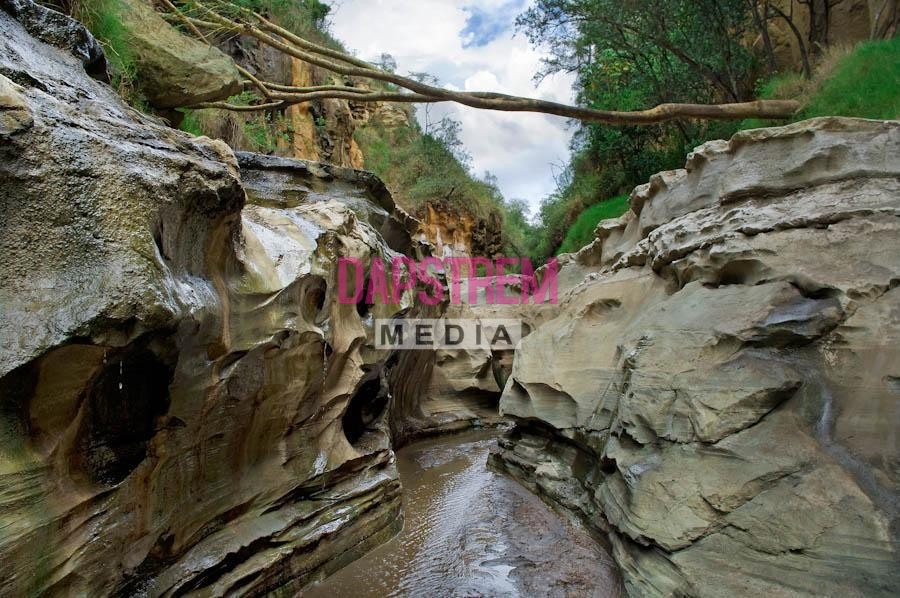
KWS Closes Hell’s Gate Gorge Indefinitely Over Rising Flash Flood Risks During El Niño Rains
The Kenya Wildlife Service (KWS) has announced the indefinite closure of the famous Hell’s Gate Gorge in Naivasha, citing heightened risks of flash floods during the anticipated El Niño rainy season. The decision is aimed at protecting tourists, tour guides and other visitors from potentially deadly flooding as heavy rains continue to affect different parts of the country.
The announcement was made on Monday, November 9, 2026, by Hell’s Gate National Park Senior Warden Nelson Cheruiyot, who said the closure would remain in place throughout the El Niño rainy season. The move follows previous tragic incidents in which tourists lost their lives after sudden floods swept through the gorge.
The closure is expected to affect tourists who had planned to explore one of Kenya’s most recognisable natural attractions during the festive season. However, KWS has clarified that the decision is specifically directed at the gorge, meaning other attractions within Hell’s Gate National Park remain available to visitors.
The latest announcement highlights the growing importance of visitor safety in Kenya’s tourism sector, particularly as weather patterns become increasingly unpredictable and heavy rainfall raises the risk of flooding in vulnerable areas.
Flash floods prompt precautionary closure
Speaking at Hell’s Gate National Park, Senior Warden Nelson Cheruiyot explained that the decision was informed by the dangers posed by sudden flash floods during periods of heavy rainfall.
According to the park official, the gorge can experience dangerous flooding even when there is no rain within the immediate surroundings of the attraction.
He warned that water flowing from surrounding areas can rapidly enter the gorge, creating hazardous conditions for people exploring its narrow passages.
Cheruiyot specifically pointed out that rainfall in areas such as Nairobi and Mai Mahiu can contribute to water flowing downstream into the gorge.
This means that visitors cannot rely solely on the weather conditions within the park when determining whether the attraction is safe.
The situation is particularly dangerous because flash floods can develop within a short period. Water levels may rise rapidly, leaving tourists and guides with limited time to find an escape route.
Unlike ordinary flooding, flash floods can carry large volumes of water through narrow channels, making it difficult for people to escape once the water begins moving through the gorge.
KWS has therefore opted to close the attraction as a preventive measure rather than wait for another incident to occur.
The wildlife agency is also monitoring rainfall patterns in surrounding areas to assess the potential danger posed by water flowing into the gorge.
The closure is expected to remain in place throughout the El Niño rainy season, although the exact reopening date has not been announced.
Hell’s Gate Gorge has a history of deadly flooding
The latest closure has revived memories of previous tragedies that occurred at Hell’s Gate Gorge, where sudden flooding has claimed the lives of tourists and guides.
One of the most devastating incidents occurred on September 1, 2019, when seven people, including tourists and a local guide, were swept away by flash floods while exploring the gorge.
The victims were part of a group visiting Hell’s Gate National Park in Naivasha. Their visit turned tragic after water suddenly surged through the gorge following heavy rainfall in surrounding areas.
Search and rescue teams were deployed to the scene, with the operation involving various emergency response agencies. The bodies of all seven victims were eventually recovered, bringing the rescue operation to an end.
The incident raised serious concerns about the safety of tourists visiting the gorge, particularly during rainy seasons.
It also highlighted the dangers associated with exploring narrow natural formations that can quickly become flooded following rainfall upstream.
The gorge was subsequently closed, prompting discussions about the need for improved safety systems, early warning mechanisms and evacuation routes.
The 2019 tragedy remains an important reminder of the dangers posed by flash floods in the area. The latest decision by KWS demonstrates that the agency continues to prioritise visitor safety during periods when flooding risks are elevated.
Why the gorge remains vulnerable to flash floods
Hell’s Gate National Park is located in the Great Rift Valley, where its dramatic landscape includes steep cliffs, narrow gorges, volcanic formations and expansive valleys.
These geographical features contribute to the park’s unique natural beauty, but they can also create dangerous conditions during heavy rainfall.
Water from surrounding highlands and catchment areas can flow rapidly into lower sections of the landscape. When large volumes of water enter narrow gorges, the resulting flooding can become particularly dangerous.
One of the biggest challenges is that rainfall does not necessarily have to occur directly within the park for flooding to happen.
Rain falling in distant areas can eventually drain into the gorge, creating a situation in which visitors may be caught off guard despite experiencing relatively calm weather.
This is why KWS has urged tourists to pay attention to rainfall conditions beyond the park itself.
The agency’s decision also underscores the importance of understanding the environmental and geographical risks associated with adventure tourism.
Visitors exploring natural attractions must recognise that weather conditions can change quickly and that some areas may become unsafe without sufficient warning.
Other attractions at Hell’s Gate National Park remain open
Despite the indefinite closure of the gorge, Hell’s Gate National Park continues to offer a variety of attractions for local and international tourists.
The park is known for its dramatic scenery, wildlife, geothermal features and outdoor adventure activities.
Visitors can still enjoy activities such as hiking, cycling, birdwatching, camping and exploring designated areas within the park, subject to KWS safety guidelines and accessibility conditions.
The park is also home to iconic geological formations, including Fischer’s Tower, which attracts rock-climbing enthusiasts.
Its expansive grasslands provide opportunities for wildlife viewing, with animals such as zebras, giraffes, buffaloes, gazelles and other species found within the protected area.
The Olkaria Geothermal Spa is another attraction associated with the park, offering visitors an opportunity to experience geothermal waters.
KWS has continued to promote Hell’s Gate as a destination for domestic tourism, particularly during the festive season when many Kenyans travel to different parts of the country for leisure.
The agency has also introduced affordable holiday packages aimed at encouraging more local visitors to explore the park.
The closure of the gorge therefore does not mean that the entire park has been shut down. Tourists planning visits are, however, encouraged to confirm the availability of specific attractions before travelling.
Closure raises concerns for tourism businesses and local communities
The decision to close Hell’s Gate Gorge indefinitely could have implications for businesses and communities that depend on tourism activities around the attraction.
The gorge has historically been one of the park’s major attractions, drawing both domestic and international visitors interested in exploring its unique landscape.
Tour guides, traders, transport operators and other tourism-related businesses have benefited from the steady flow of visitors to the site.
An extended closure could therefore affect people whose livelihoods depend on tourists visiting the gorge.
Local tour guides, in particular, may face challenges if visitor numbers decline or if tourists cancel planned excursions because of the closure.
Traders who sell traditional Maasai beadwork, souvenirs and other products to visitors could also experience reduced business opportunities.
Previous closures of the gorge have been associated with declines in visitor numbers and job losses among local tourism operators.
However, the latest decision has been made in response to safety concerns, meaning the protection of human lives remains the priority.
Tourism stakeholders will have to adapt by promoting other attractions within Hell’s Gate National Park and encouraging visitors to explore alternative activities during the rainy season.
The continued availability of hiking, cycling, wildlife viewing and geothermal experiences could help sustain tourism activities even as the gorge remains inaccessible.
KWS intensifies efforts to promote safe tourism
The indefinite closure comes as KWS continues to encourage domestic tourism and promote Kenya’s national parks as important destinations for recreation, conservation and economic activity.
Hell’s Gate National Park remains one of the country’s popular destinations because of its accessibility from Nairobi and its distinctive natural features.
The park offers a combination of wildlife, geological formations and outdoor experiences that attract visitors throughout the year.
However, the latest closure demonstrates that tourism promotion must be accompanied by effective safety management.
As more visitors explore natural attractions, park authorities must ensure that adequate measures are in place to prevent accidents and respond to emergencies.
Weather monitoring, early warning systems, evacuation plans and visitor education remain important components of managing attractions that are exposed to natural hazards.
KWS has previously introduced safety measures at the gorge following the 2019 tragedy, including systems intended to improve visitor protection.
The latest announcement reinforces the need for continued vigilance, particularly during periods of heavy rainfall.
Tourists are also expected to cooperate with park authorities by observing restrictions and avoiding areas that have been declared unsafe.
El Niño rains raise broader safety concerns
The closure of Hell’s Gate Gorge comes amid heightened concerns about the potential effects of heavy rainfall across Kenya.
El Niño conditions are often associated with increased rainfall in parts of East Africa, raising the possibility of flooding, landslides and disruptions to transport and other activities.
For tourism destinations located near rivers, valleys and narrow natural formations, the risks can be particularly significant.
The dangers are not limited to national parks. Communities living near flood-prone areas may also face threats to homes, businesses and infrastructure.
The situation highlights the importance of preparedness and timely communication during periods of extreme weather.
For visitors, checking weather updates and following guidance from park authorities can help reduce exposure to dangerous conditions.
KWS’s decision to close the gorge therefore serves as a broader reminder that tourism activities must be adjusted when environmental conditions threaten the safety of visitors.
Tourists advised to confirm park conditions before visiting
Following the announcement, tourists planning trips to Hell’s Gate National Park are encouraged to confirm which attractions remain accessible.
Visitors should avoid attempting to enter the closed gorge, even if weather conditions appear calm.
The danger of flash floods is particularly high because rainfall in surrounding areas can affect the gorge without warning.
Tourists should also follow instructions issued by park rangers and ensure that their activities remain within designated areas.
Those planning hiking, cycling or camping activities should take into account the prevailing weather conditions and any additional restrictions announced by KWS.
The wildlife agency’s safety guidelines remain important for anyone visiting the park, particularly during the rainy season.
The closure is intended to prevent further loss of life and reduce the likelihood of emergency situations that could place visitors and rescue personnel at risk.
Conclusion
The Kenya Wildlife Service’s decision to close Hell’s Gate Gorge indefinitely during the El Niño rainy season underscores the growing importance of safety in Kenya’s tourism sector.
The move follows previous deadly flash flood incidents and reflects concerns that sudden water surges could endanger tourists exploring the attraction.
Although the closure may affect tourism activities associated with the gorge, other attractions within Hell’s Gate National Park remain available to visitors.
The park continues to offer opportunities for hiking, cycling, wildlife viewing, birdwatching and geothermal experiences, making it possible for tourists to enjoy its natural beauty while observing safety restrictions.
As the rainy season continues, KWS is expected to monitor weather conditions and maintain the closure until the danger has sufficiently reduced.
For tourists and local communities, the latest announcement serves as a reminder that natural attractions can become dangerous during extreme weather and that precautionary measures are essential.
Ultimately, protecting human lives remains the most important consideration, even when it means temporarily restricting access to one of Kenya’s most popular tourist destinations.