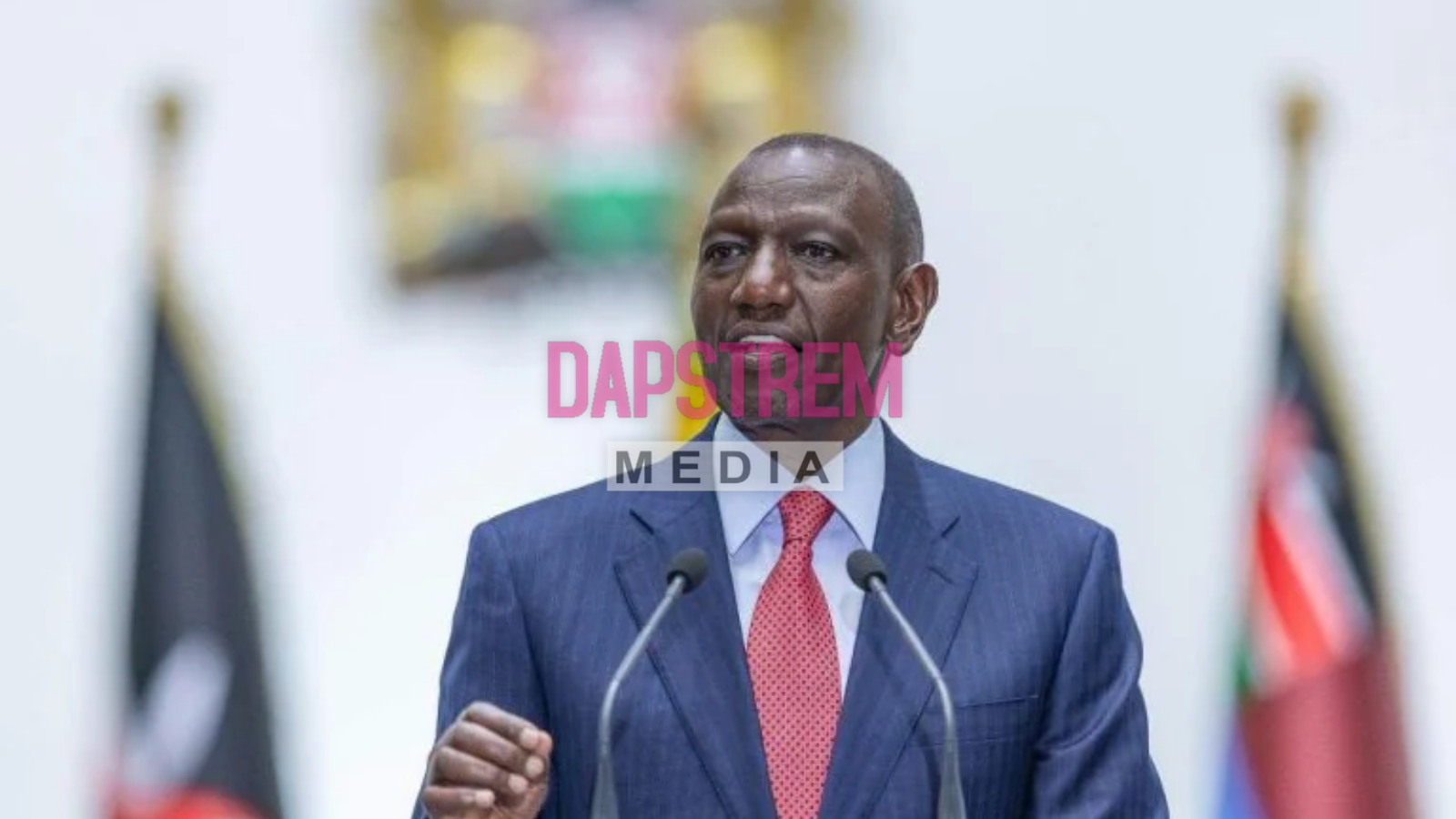
President William Ruto is set to deliver his State of the Nation Address before a joint sitting of the National Assembly and Senate on Wednesday afternoon, November 18, at Parliament Buildings in Nairobi, with Kenyans keenly awaiting his account of the country’s progress and the government’s response to mounting economic and governance concerns.
The address, scheduled for 2:30 p.m., comes at a critical moment for the Kenya Kwanza administration, with less than a year remaining before the August 2027 General Election. It will also be Ruto’s fourth State of the Nation Address and the final annual address of his first presidential term.
According to the parliamentary order paper, the special sitting will begin with prayers and the convocation of both Houses before the President is invited to address Parliament.
The address is anchored in Article 132(1)(c) of the Constitution, which requires the President to address a special sitting of Parliament once every year and report on measures taken and progress achieved in realising the national values and principles of governance outlined in Article 10.
The President is also expected to report on Kenya’s international obligations and the country’s national security situation.
Among the key issues expected to dominate the address are the state of the economy, the rising cost of living, unemployment, taxation, healthcare, education, agriculture and infrastructure development.
The economy is likely to attract particular attention, with households and businesses continuing to grapple with the cost of essential goods, fuel prices and the wider burden of taxation. Kenyans will be looking for explanations of how the administration intends to translate economic growth figures into tangible improvements in household incomes and employment opportunities.
Corruption and accountability are also expected to feature prominently, particularly as public debate intensifies over the management of public resources, government expenditure and the delivery of development projects.
The President is also expected to outline progress under the Bottom-Up Economic Transformation Agenda, which has been the central policy framework of his administration. Key areas include affordable housing, agricultural transformation, universal healthcare, digital employment and infrastructure investment.
Last year’s address, delivered on November 20, 2025, focused on an ambitious Sh5 trillion economic transformation and infrastructure programme. The plan included expanding irrigation, constructing mega dams, improving transport infrastructure and increasing electricity generation capacity.
According to Capital FM’s November 18 assessment, the government has made progress in some infrastructure and energy initiatives, although significant financing and implementation challenges persist.
With the 2027 elections approaching, Wednesday’s address offers Ruto an opportunity to present his administration’s record while outlining priorities for the remaining months of his first term.