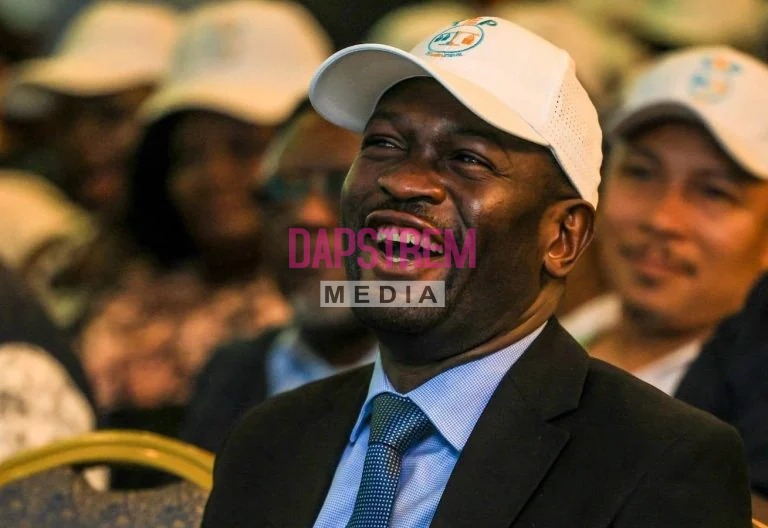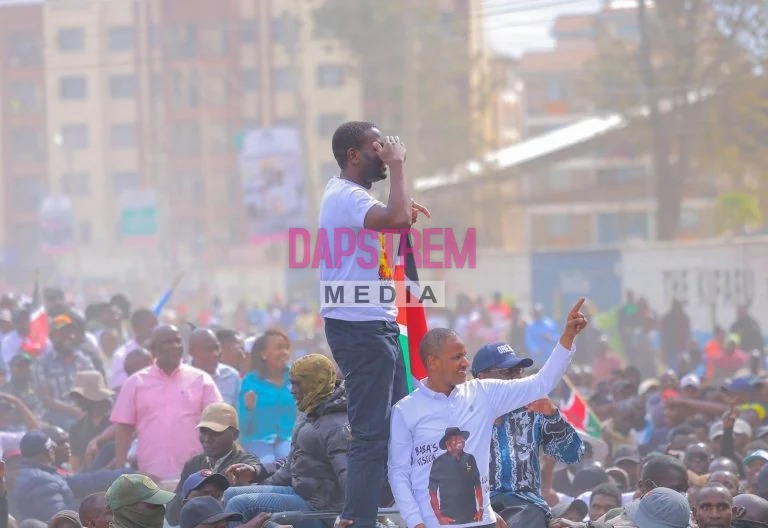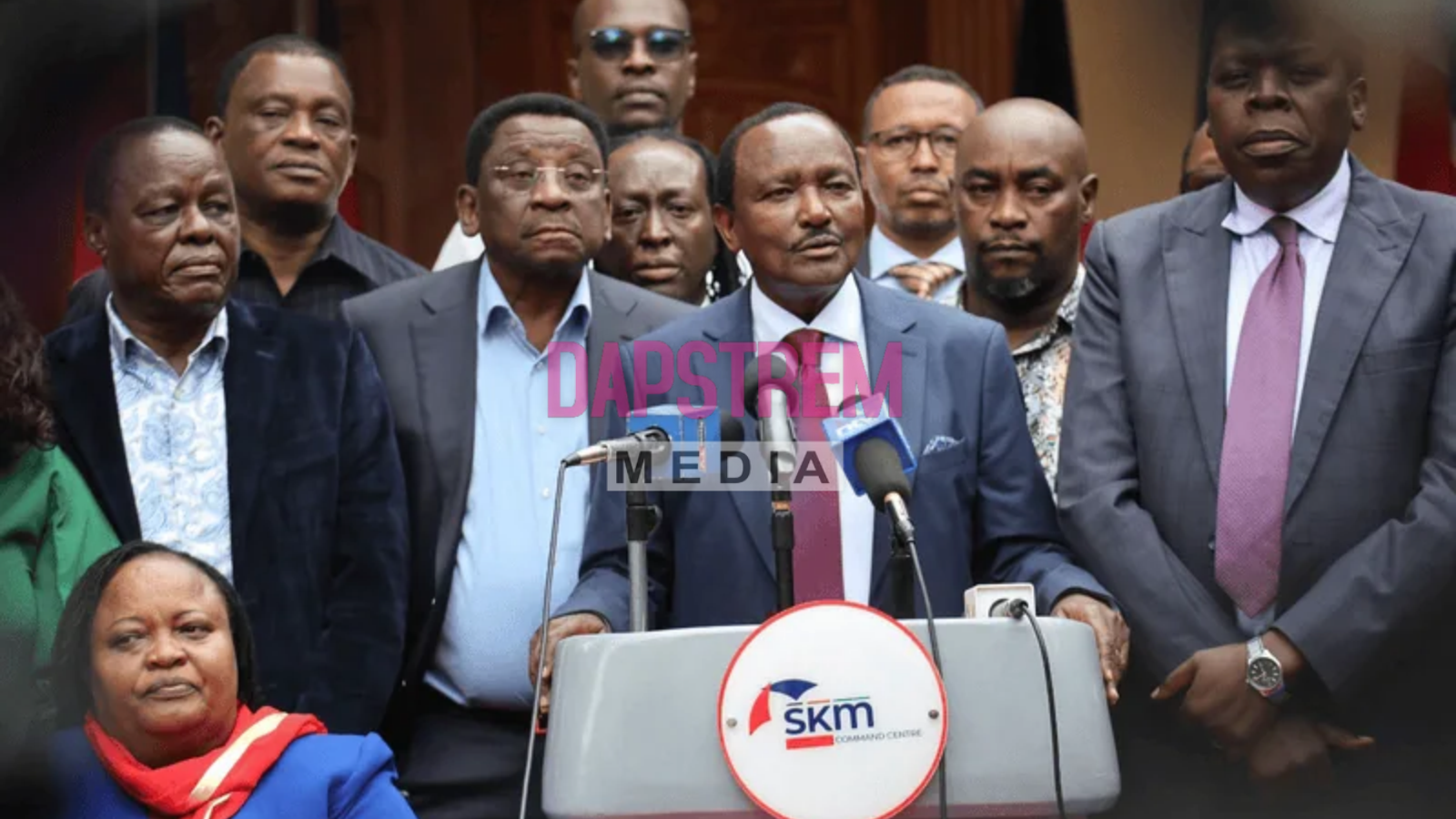
Kenya’s opposition leaders are racing against time to agree on a joint presidential candidate ahead of the 2027 General Election, with December emerging as a crucial deadline for resolving competing ambitions threatening to undermine their unity.
Former Deputy President Rigathi Gachagua has indicated that opposition principals could settle on a single flagbearer before Christmas, as behind-the-scenes consultations intensify over who will carry the coalition’s presidential ticket against President William Ruto.
Speaking on Sunday, November 15, Gachagua said he was personally spearheading efforts to bring the different opposition leaders together, insisting that a united political front remained the best approach to challenging the incumbent.
“I am the glue that is putting the leaders together,” he said, pledging to continue engaging political leaders until they agree on a common candidate.
Gachagua revealed that he planned to hold separate consultations with Wiper leader Kalonzo Musyoka, former Interior Cabinet Secretary Fred Matiang’i, Nairobi Senator Edwin Sifuna and other opposition figures.
He expressed confidence that the discussions would produce a common direction before the Christmas break.
However, the push for a December agreement comes amid disagreements over both the timing and process of selecting the flagbearer.
Kalonzo’s allies have advocated for an early decision, arguing that the eventual candidate needs sufficient time to establish campaign structures, mobilise resources and build national support ahead of the August 2027 polls.
During previous consultations, the Wiper camp maintained that delaying the announcement could disadvantage the opposition by leaving its presidential campaign without a clear focal point.
Gachagua’s allies, however, have cautioned against rushing the process, arguing that announcing a candidate prematurely could create divisions and give political opponents an opportunity to exploit dissatisfied coalition partners.
The contest has become increasingly complicated with several influential politicians positioning themselves for the presidential ticket.
Kalonzo has maintained his presidential ambitions, while Matiang’i has also emerged as a potential contender. Gachagua has equally positioned himself within the race, while Sifuna has attracted attention through the Linda Mwananchi political movement.
Martha Karua, Eugene Wamalwa and other opposition figures also remain important players in the broader negotiations.
The divisions have become more visible through competing political endorsements. Siaya Governor James Orengo recently declared support for Matiang’i, despite previously expressing support for Sifuna’s political ambitions.
Meanwhile, leaders including Kiharu MP Ndindi Nyoro have publicly maintained that the opposition must rally behind whoever emerges as its presidential candidate.
The challenge, however, extends beyond identifying a presidential candidate. The opposition must also agree on a running mate, coalition leadership positions, resource-sharing arrangements and a common political agenda that can unite its different support bases.
Kalonzo has proposed that opposition principals sign a binding political covenant committing themselves to support whoever emerges as the flagbearer, regardless of individual ambitions.
The proposal is intended to address fears that some leaders could abandon the coalition if they fail to secure the presidential ticket.
On Sunday, opposition leaders in Kisii, including Matiang’i, Karua, Orengo and Nyoro, reiterated their commitment to supporting one candidate.
Nyoro maintained that individual ambitions should not stand in the way of the coalition’s broader objective.
Political observers have identified mistrust, regional bargaining, competing party interests and disagreements over candidate selection as major obstacles to opposition unity.
The December negotiations could therefore become a defining moment for the opposition as it attempts to transform its growing political engagements into a structured coalition.
With the 2027 election approaching, the immediate question is no longer simply whether opposition leaders want to unite, but whether they can agree on who should lead them and accept the outcome.