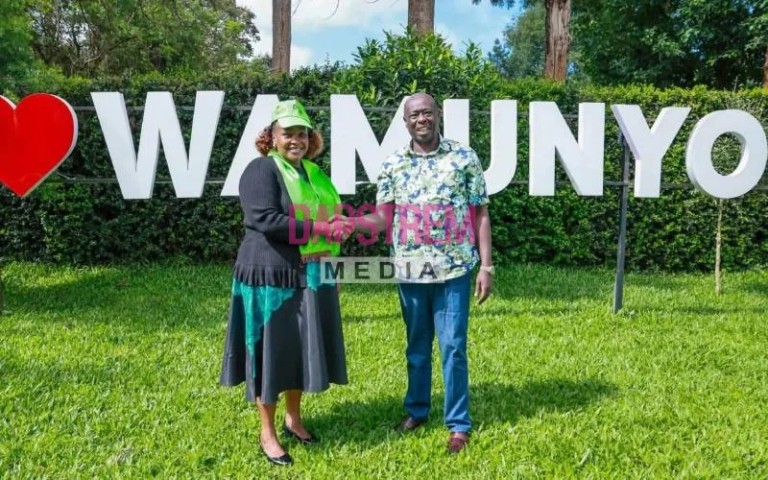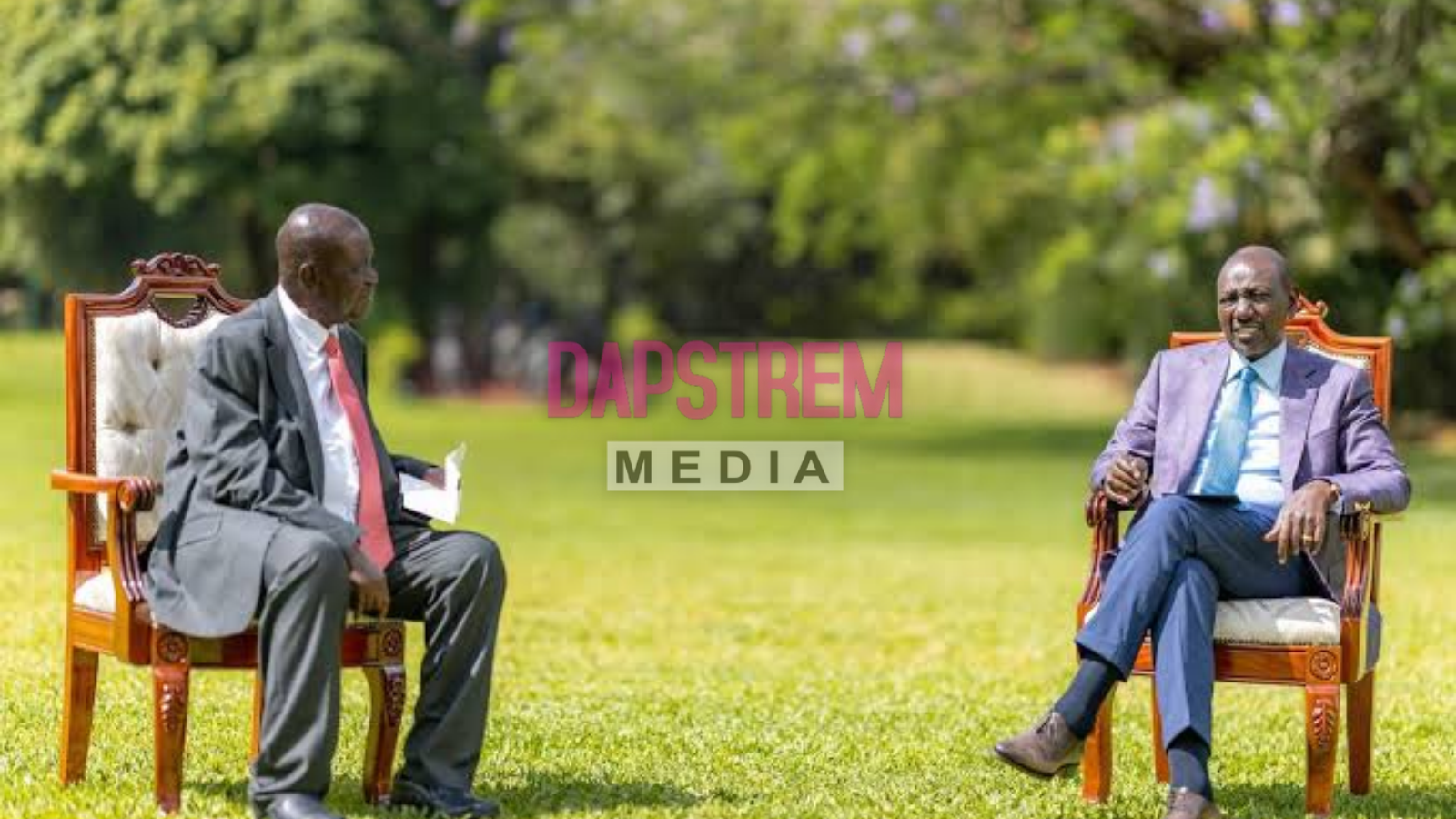
President William Ruto and Orange Democratic Movement (ODM) party leader Oburu Oginga have held fresh talks at State House, Nairobi, as pressure mounts on the ruling United Democratic Alliance (UDA) to sign a binding power-sharing agreement with ODM ahead of the August 2027 General Election.
The Tuesday, November 17 meeting comes amid growing debate within ODM over the terms of its political partnership with Ruto, with senior party officials insisting that their support for the President’s re-election bid must translate into a clearly defined share of government.
According to a statement from State House, the discussions focused on strengthening the broad-based government partnership between ODM and UDA, promoting national cohesion and advancing shared national interests.
Oburu also described the engagement as an opportunity to strengthen political cooperation between the two parties.
However, the meeting comes against the backdrop of increasing demands from ODM leaders for a formal agreement outlining how power would be shared should the two political formations secure another electoral victory.
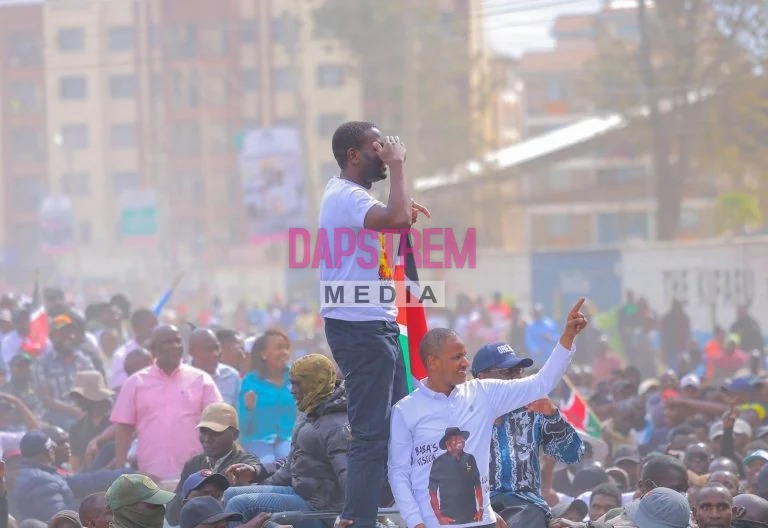
National Assembly Minority Leader Junet Mohamed has been among the most vocal proponents of the proposed deal, arguing that ODM cannot offer unconditional political support without securing meaningful representation in government.
Speaking on Tuesday, Junet maintained that ODM was established to capture and exercise political power, not simply support another political party.
“ODM is not an NGO. It is a political party that has been formed to capture and exercise political power,” he said.
Junet further insisted that the party would negotiate directly with UDA to ensure its contribution to Ruto’s re-election campaign is reflected in government appointments and leadership positions.
“We will form the government together with UDA and we will negotiate with UDA. Nothing is for free. Our support for UDA must count for something and we must share power,” he added.
ODM National Chairperson Gladys Wanga and Deputy Party Leader Simba Arati have also supported calls for a structured agreement, arguing that the party must protect its political interests before committing fully to the 2027 arrangement.
The debate has exposed differences within ODM, with some leaders favouring unconditional support for Ruto while others insist that written guarantees are necessary to prevent the party from being sidelined after the elections.
The proposed arrangement has also generated discussion around a possible 50-50 sharing of government positions, including Cabinet appointments and senior executive positions. However, no final power-sharing formula has been publicly confirmed.
The negotiations are also tied to the implementation of the 10-point agenda agreed upon by Ruto and the late former Prime Minister Raila Odinga in March 2025. The framework addresses issues including electoral reforms, strengthening devolution, fighting corruption, reducing the cost of living, youth employment and protecting human rights.
Oburu has previously maintained that full implementation of the agenda remains a fundamental condition of ODM’s engagement with UDA, although he has resisted attempts by individuals outside the party to dictate how negotiations should be conducted.
The death of Raila Odinga in October 2025 has added another dimension to the negotiations, with Oburu now steering the party through a sensitive political transition while seeking to preserve its national influence.
Meanwhile, the proposed coalition has attracted criticism and caution from some political figures who argue that political partnerships should prioritise policy commitments and accountability rather than positions in government.
With the 2027 elections approaching, the negotiations between ODM and UDA are likely to shape the country’s political landscape. The central question remains whether the two parties can agree on a binding arrangement that satisfies ODM’s demands while securing Ruto’s support for a joint political future.
For now, Oburu’s meeting with Ruto signals continued engagement between the two camps, but the actual terms of any power-sharing agreement remain unresolved.