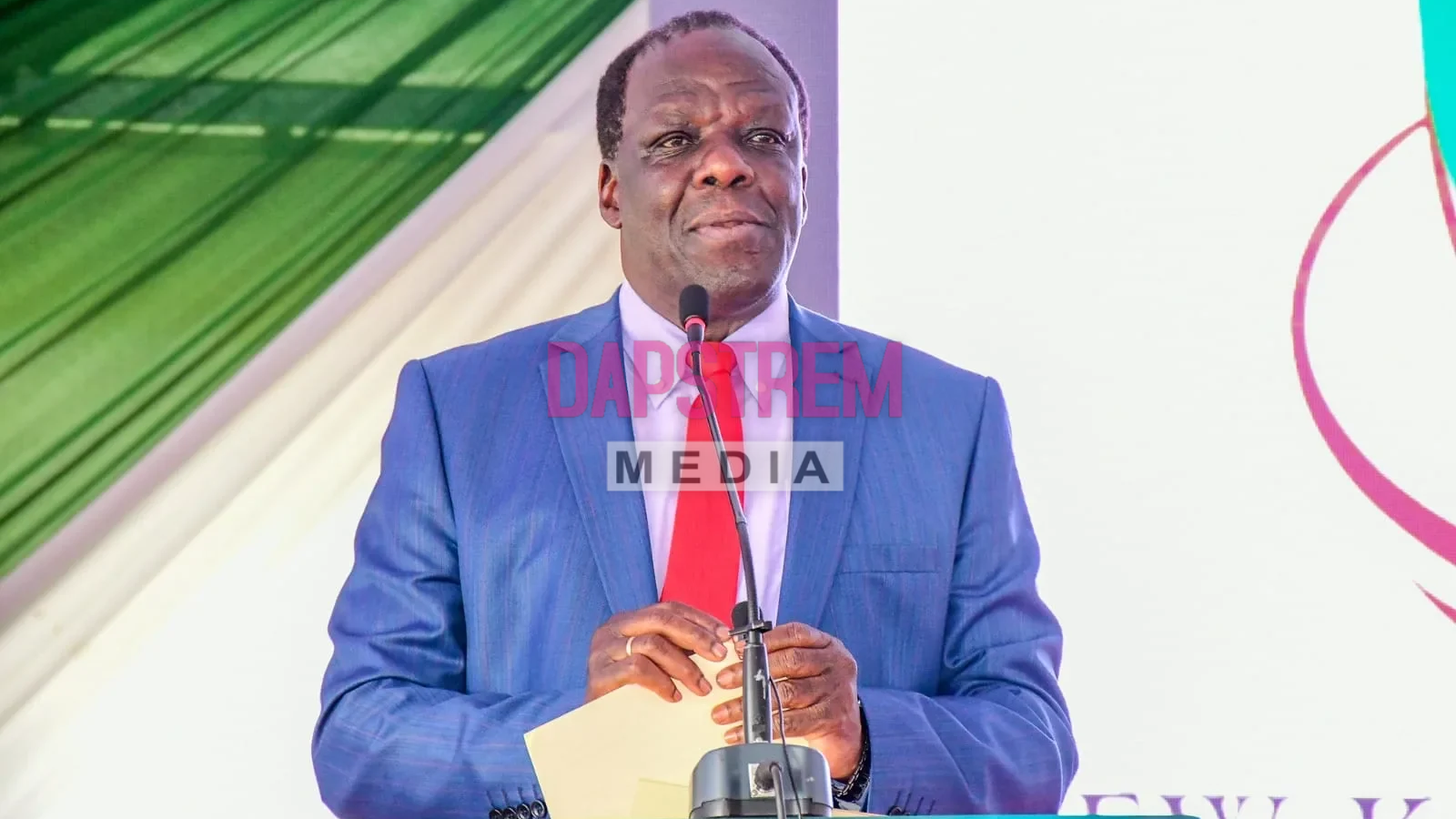
Anti-corruption lobby groups have renewed pressure on the Ethics and Anti-Corruption Commission (EACC) to reopen investigations into Cooperatives Cabinet Secretary Wycliffe Oparanya following a High Court decision that nullified the withdrawal of corruption charges against him.
The groups, operating under the National Integrity Alliance (NIA), want the commission to establish the next legal steps following the court’s declaration that the Director of Public Prosecutions (DPP) acted unlawfully when he reversed an earlier decision to prosecute Oparanya.
The alliance, which includes Transparency International Kenya, the Institute for Social Accountability (TISA) and the Kenya Human Rights Commission (KHRC), presented petitions to EACC at Integrity Centre in Nairobi on Tuesday, November 10, 2026.
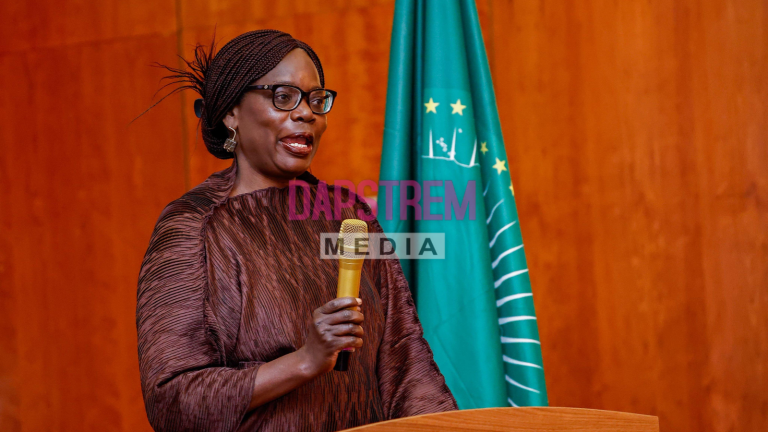
Transparency International Kenya Executive Director Sheila Masinde said the court had declared the DPP’s July 2024 decision to review and withdraw the intended prosecution irregular, unconstitutional and null and void.
The organisations want EACC to independently examine any fresh evidence presented during the earlier review process and determine whether additional investigations or other legal action are necessary.
EACC urged to examine fresh evidence
KHRC Executive Director David Malombe said the organisations wanted the anti-graft agency to independently verify the evidence presented during the prosecution review process rather than allow the matter to remain unresolved.
He called on EACC to exercise its constitutional and statutory mandate and provide an update on the steps being taken following the court judgment.
Receiving the petitions, EACC spokesperson Stephen Karuga acknowledged the organisations’ concerns, saying the commission would carefully review the submissions and determine the appropriate course of action.
Karuga maintained that EACC had fulfilled its responsibilities in the matter, explaining that the criminal justice system involves several independent institutions whose mandates complement one another.
What the court ruled against the DPP
The controversy dates back to investigations into allegations that Oparanya received approximately Sh56.7 million from directors of companies linked to county government contracts during his tenure as Kakamega governor.
EACC investigated alleged irregular payments involving Sabema International Limited and Sesela Resources Limited, whose directors were suspected of benefiting from county contracts awarded between the 2013/14 and 2021/22 financial years.
The commission recommended charges including conflict of interest, abuse of office, money laundering and conspiracy to commit corruption.
In December 2023, the DPP agreed with the recommendation to prosecute Oparanya. However, on July 8, 2024, the prosecution office reversed its position after receiving representations from his lawyers, citing insufficient evidence to secure a conviction.
In a judgment delivered on October 2, 2026, Justice Benjamin Musyoki of the Milimani High Court ruled that the DPP had exceeded his authority by considering fresh evidence without referring it to EACC for investigation.
The judge quashed the decision, stressing that although the DPP has constitutional independence in making prosecution decisions, that authority must be exercised within the law.
Importantly, the court did not declare Oparanya guilty of any offence or automatically reinstate criminal charges against him. It also declined to invalidate his appointment to the Cabinet.
Oparanya’s Cabinet position unaffected
Despite the ruling, Oparanya’s appointment as Cabinet Secretary for Cooperatives and Micro, Small and Medium Enterprises Development remains intact.
Justice Musyoki declined to overturn his Cabinet appointment, noting that Parliament had vetted and approved him and that the court had not been presented with sufficient grounds to invalidate that process.
The judgment also rejected Oparanya’s argument that the DPP’s earlier decision had created a legitimate expectation that he would not face prosecution in the matter.
Pressure mounts for accountability
The latest petition places renewed scrutiny on the relationship between investigative and prosecutorial institutions in Kenya, particularly their handling of high-profile corruption cases.
For the National Integrity Alliance, the priority is ensuring that the court’s findings translate into meaningful action rather than remain a legal declaration without consequences.
The organisations are now demanding transparency from EACC and a clear explanation of how the allegations and additional evidence will be handled.
With the court having invalidated the decision that halted the prosecution, attention now shifts to whether investigators will undertake further inquiries and whether the DPP will ultimately pursue charges.