United Nations Gives Kenya KSh260 Million to Strengthen Ebola Response
Kenya has received a major financial boost in its efforts to contain the Ebola outbreak after the United Nations allocated more than KSh259 million to support preparedness and response activities across the country. The funding is expected to strengthen disease surveillance, improve emergency response capacity and help health authorities prevent further transmission of the deadly virus.
The support comes at a critical time as Kenya continues to respond to confirmed cases of Bundibugyo Ebola virus disease. The country’s health authorities have been working to identify people who may have been exposed to the virus, strengthen laboratory testing, improve infection prevention measures and ensure that suspected cases receive prompt medical attention.
The United Nations funding, channelled through the Kenya Humanitarian Fund and managed by the UN Office for the Coordination of Humanitarian Affairs (OCHA), is intended to reinforce government-led efforts to control the outbreak. According to reports published on October 28, 2026, the allocation exceeds $2 million, equivalent to approximately KSh260 million. The funds will support activities including surveillance at border crossings, training rapid response teams, supplying emergency health and infection-prevention materials, and communicating important public health information to communities.
The assistance highlights the importance of international cooperation when countries face serious public health emergencies. Although national authorities lead the response, support from international organisations can provide additional resources, technical expertise and emergency supplies needed to strengthen containment measures.
Funding to strengthen surveillance and emergency response
A major priority for the funding is strengthening surveillance, particularly in areas where the risk of cross-border transmission is considered high. Health officials need to identify suspected infections quickly, investigate alerts and trace people who may have come into contact with confirmed cases.
Surveillance is one of the most important tools in controlling Ebola because early identification allows health workers to isolate suspected cases, arrange testing and begin appropriate care. It also helps authorities determine whether infections are linked to known cases or whether transmission may be occurring in other communities.
Kenya’s position as a regional transport and commercial hub makes surveillance particularly important. The country receives travellers from across Africa and other parts of the world, while its land borders support regular movement of people and goods between neighbouring countries. These movements make coordination between border officials, health workers and surveillance teams essential during an outbreak.
The UN-backed funding is also expected to support the training and deployment of rapid response teams. These teams play a crucial role when a suspected infection is reported, helping investigate the case, identify contacts, assess possible exposure and coordinate the necessary public health measures.
Rapid response teams also work closely with laboratories and health facilities to ensure that samples are collected and tested safely. Their work can help reduce delays between the identification of a suspected case and the implementation of measures to prevent further transmission.
Emergency health supplies and infection-prevention materials form another important part of the response. Health workers require appropriate protective equipment, disinfectants and other supplies to reduce the risk of exposure when caring for suspected or confirmed patients.
Without sufficient supplies and proper training, health facilities can become vulnerable to infections among workers and other patients. Strengthening infection prevention is therefore essential not only for protecting medical personnel but also for maintaining public confidence in the health system.
Kenya’s Ebola situation raises concern
The funding comes as Kenya manages an outbreak of Bundibugyo Ebola virus disease, a form of Ebola caused by the Bundibugyo virus. The country confirmed its first case in October 2026 after a Kenyan national who had been living in the Democratic Republic of the Congo travelled through Uganda before arriving in Nairobi.
The patient developed symptoms, was admitted for treatment and later died. Laboratory testing confirmed the infection, prompting health authorities to begin contact tracing and other containment measures.
Additional infections were subsequently confirmed among people linked to the first patient. According to reporting published on October 28, Kenya had recorded nine confirmed cases, including two deaths, by October 26. The cases were reported as being linked mainly to the initial imported infection.
The appearance of additional cases has increased the importance of monitoring contacts and ensuring that people who may have been exposed receive timely follow-up. Ebola symptoms can take several days to develop after exposure, making the monitoring of contacts an important part of the public health response.
People identified as contacts may be placed under quarantine or monitored by health officials, depending on the circumstances and public health guidance. They are assessed for symptoms during the monitoring period so that suspected infections can be detected early.
The World Health Organization has also been supporting Kenya’s response through surveillance, laboratory testing, patient care, infection prevention, contact tracing and public communication. In an update published on October 16, the organisation reported that Kenya had confirmed three cases at that stage, including one death, and said the second and third patients had been detected while already in quarantine. The figures subsequently increased as additional cases were confirmed.
The developments underline why preparedness must continue even after the first suspected or confirmed case has been identified. Health authorities must remain alert to new infections while ensuring that response measures are implemented consistently.
Why the UN support matters
The KSh260 million allocation could help address some of the practical challenges involved in managing a public health emergency. Containing Ebola requires more than isolating patients. It involves a coordinated system that brings together laboratories, hospitals, public health officials, border agencies, community health workers and emergency response teams.
One of the main challenges during an outbreak is ensuring that suspected cases are detected before they lead to further transmission. This requires adequate surveillance systems, trained personnel, reliable communication channels and sufficient diagnostic capacity.
Financial support can help health authorities strengthen these systems and respond more quickly when new alerts emerge. It can also support the distribution of essential supplies to facilities and areas that require additional assistance.
The funding is particularly important for communities near high-risk border crossings, where surveillance and public awareness may require additional attention. Health teams operating in these areas need to recognise possible symptoms, follow appropriate reporting procedures and refer suspected cases for assessment without unnecessary delays.
However, the impact of the allocation will depend on how effectively the funds are deployed. Resources must reach the intended programmes, and implementing partners must coordinate their activities to avoid duplication and ensure that gaps are addressed.
Transparent reporting and effective monitoring will also be important in demonstrating whether the assistance is improving preparedness and strengthening the national response.
Public awareness remains essential
Alongside funding and medical interventions, public awareness remains a central part of Ebola prevention. Communities need accurate information about how the virus spreads, which symptoms to watch for and where to seek medical assistance.
Ebola can cause serious illness, with symptoms that may include fever, fatigue, muscle pain, headache, sore throat, vomiting, diarrhoea and, in some cases, unexplained bleeding. These symptoms can also occur in other illnesses, meaning that people should not attempt to diagnose themselves or others based on symptoms alone.
Anyone who suspects they may have been exposed to Ebola should contact health authorities and follow official medical guidance. People should avoid close contact with someone who is suspected of having the disease and should not handle the body or bodily fluids of a person who has died from a suspected or confirmed infection.
The virus can spread through direct contact with the blood or other bodily fluids of an infected person who has symptoms, or through contaminated materials. Safe care practices, appropriate protective equipment and proper handling of infectious materials are therefore critical.
Public information campaigns can help counter misinformation, reduce stigma and encourage people to report symptoms or possible exposure promptly. Communities should rely on official updates from the Ministry of Health, county health departments and recognised public health organisations rather than unverified social media claims.
Clear communication is equally important for families whose members are being monitored or quarantined. They need to understand the purpose of monitoring, the precautions required and the support available to them during the process.
Health workers on the frontline
Health workers remain at the centre of Kenya’s response. They are responsible for screening suspected patients, collecting samples, providing clinical care, tracing contacts and helping communities understand the risks associated with the disease.
Their work can be challenging because Ebola requires strict infection-prevention procedures and careful coordination between different teams. Medical personnel must use appropriate protective equipment and follow established protocols when examining or treating suspected cases.
Training is essential because a prompt and correct response can reduce the risk of infections spreading within health facilities. Hospitals must also maintain suitable isolation arrangements and ensure that staff understand how to handle suspected cases safely.
Kenya had already been strengthening its preparedness before confirming the first case. In an update dated October 7, the Ministry of Health reported that nearly 5,000 healthcare providers had received training in Ebola prevention and case management. The ministry also outlined plans to strengthen isolation and treatment capacity.
The additional UN funding can complement these preparedness measures by supporting emergency teams, essential supplies and surveillance activities. Continued coordination between national and county governments will be important to ensure that facilities have the resources required to respond effectively.
International partners increase support
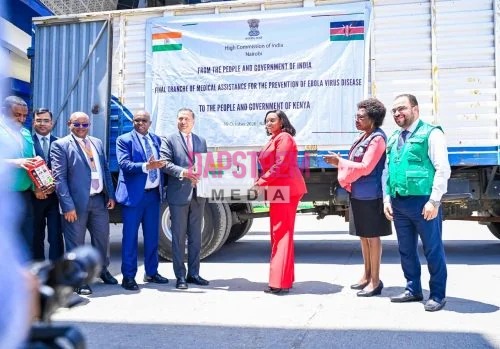
The UN allocation is part of a wider effort by international partners to help Kenya strengthen its Ebola response. Governments and health organisations have been providing financial assistance, equipment, technical expertise and other forms of support as the situation develops.
Earlier in October, China announced a KSh260 million grant for Kenya, with half of the money intended to support Ebola preparedness and response and the other half allocated to drought mitigation. That was a separate grant from the UN funding.
The World Health Organization has also supported surveillance, contact tracing, testing, patient care and infection prevention. In addition, Africa CDC announced further financial, technical and operational support for Kenya on October 27, including assistance with laboratory testing, surveillance, contact tracing and case management.
The contributions demonstrate the scale of coordination required when a disease poses a threat beyond a single community or national border. International partners can help countries access expertise and resources, while the national government remains responsible for coordinating the response and implementing public health measures.
At the same time, the availability of external funding does not remove the need for strong domestic preparedness. Kenya must continue strengthening its health infrastructure, disease surveillance, laboratory capacity and emergency planning to manage future outbreaks more effectively.
The importance of accountability and preparedness
As the government and its partners deploy additional resources, accountability will be crucial. Emergency funding must be used for its intended purposes, with clear priorities and coordination among the organisations involved.
Authorities need to identify the areas with the greatest needs, ensure that health facilities receive essential supplies and assess whether surveillance and response activities are reaching vulnerable communities. Regular updates can also help the public understand how the response is progressing.
Preparedness should extend beyond the immediate outbreak. Investments in laboratories, trained health personnel, emergency operations centres and reliable reporting systems can strengthen Kenya’s ability to respond to other infectious diseases in the future.
Public health emergencies also demonstrate the importance of cooperation between national and county governments. County health teams are often among the first to receive reports of unusual illnesses, making their ability to identify and communicate suspected cases especially important.
The government must therefore ensure that local health facilities have clear procedures for reporting alerts and referring patients. Strong communication between counties and national authorities can help prevent delays and ensure that resources are directed where they are most needed.
The United Nations’ allocation of more than KSh259 million marks an important boost to Kenya’s efforts to contain the Ebola outbreak and strengthen public health preparedness. The funding is expected to support surveillance at high-risk border crossings, rapid response teams, emergency health supplies, infection prevention and public awareness activities.
With confirmed cases and deaths reported in October, Kenya faces the challenge of detecting infections early, monitoring contacts and preventing further transmission. The support from the UN and other international partners can strengthen these efforts, but its effectiveness will depend on timely implementation, coordination and accountability.
For the public, following official health guidance, reporting possible exposure and avoiding misinformation remain essential. For authorities, the priority is to ensure that the resources reach frontline teams and translate into a faster, safer and more effective response.
Ultimately, containing Ebola requires a coordinated effort involving government agencies, health workers, international partners and communities. The new funding provides additional support for that effort as Kenya works to protect lives and limit the spread of the virus.