Why Kenya Wants Its Own Snake Antivenom as Thousands Face Life-Threatening Bites
Kenya is stepping up efforts to develop its own snake antivenom in a move that could transform the treatment of snakebite victims and improve access to life-saving medical care across the country.
Researchers at the Kenya Institute of Primate Research (KIPRE) are working with Nairobi Enterprises Limited (NEL) to develop an antivenom specifically suited to venomous snake species found in Kenya and the wider East African region.
The initiative comes amid growing concern about the number of people affected by snakebites every year, particularly in rural and arid areas where access to specialised medical treatment can be limited.
According to the Ministry of Health, Kenya records more than 19,000 snakebite cases annually, resulting in over 1,000 deaths. These figures highlight the seriousness of snakebite envenoming as a public health challenge and the need for reliable, affordable and effective treatment.
The research has attracted parliamentary support, with the Departmental Committee on Health pledging to support the initiative through budgetary allocations. The committee expressed its backing during a budget oversight visit to Nairobi Enterprises Limited, which is partnering with KIPRE on the project.
KIPRE Director General Dr Peter Mwethera told legislators that the researchers were working towards having the product ready by the end of 2026. He explained that some antivenoms developed outside Africa may not work effectively against certain snake species found locally.
The proposed treatment is intended to address this gap by targeting venom from snakes found in the region. If research, testing and regulatory requirements are successfully completed, locally developed antivenom could improve treatment options for Kenyan patients.
However, the project involves more than manufacturing a medical product. Researchers must establish which snake venoms should be targeted, demonstrate that the treatment can neutralise them effectively, and ensure that the final product meets stringent safety and quality requirements.
For communities frequently affected by snakebites, the initiative represents an important effort to develop a treatment that reflects Kenya’s own public health needs rather than relying entirely on products developed elsewhere.
Why Kenya Needs Antivenom Designed for Local Snake Species
One of the main reasons Kenya is pursuing its own antivenom is the variation in venom among snake species and populations found in different geographical regions.
Venomous snakes do not all produce the same toxins. The composition of their venom can vary between species and, in some cases, between populations of the same species. These differences can affect the type and severity of injury caused by a bite and the ability of a particular antivenom to neutralise the venom.
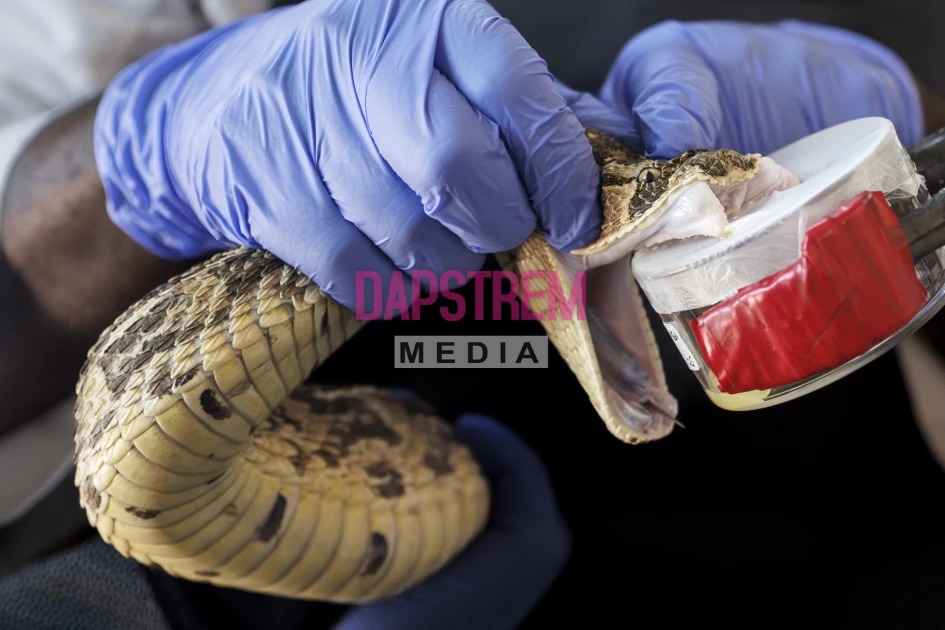
An antivenom is a biological treatment containing antibodies that recognise and bind to venom toxins, helping neutralise their harmful effects. Many conventional antivenoms are produced by immunising animals, commonly horses or sheep, with selected snake venoms and then purifying the antibodies from their blood.
The venoms selected during production are therefore important in determining which snakebites the resulting antivenom can treat effectively.
When a product is developed using venoms from snakes found in a different region, it may not provide adequate protection against all the species responsible for bites in another country. Differences in venom composition can limit its effectiveness, making independent testing against locally relevant venoms essential.
This is a major concern for Kenya, where several venomous species pose significant risks to human health. They include black mambas, cobras, puff adders and carpet vipers, which can cause different forms of poisoning.
Some venoms can affect the nervous system, potentially causing paralysis and breathing difficulties. Others can damage tissues, cause severe swelling and destroy skin and muscle. Certain venoms interfere with blood clotting, increasing the risk of dangerous bleeding.
These differences mean that effective treatment must be based on a sound understanding of the snakes responsible for bites in the affected area.
Dr Mwethera has explained that the Kenyan project aims to develop an antivenom suited to the species found in East Africa. Such a product could help address concerns about the effectiveness of some imported treatments and provide a stronger scientific basis for managing snakebite cases.
However, locally produced does not automatically mean effective. Researchers must demonstrate that the product can neutralise the relevant venoms and provide meaningful clinical benefits. Independent evaluation, quality assurance and regulatory approval will remain essential before it can be relied upon in hospitals.
The objective is therefore not simply to replace imported medicine with a Kenyan product. It is to ensure that patients receive treatment supported by scientific evidence and suited to the dangers they face.