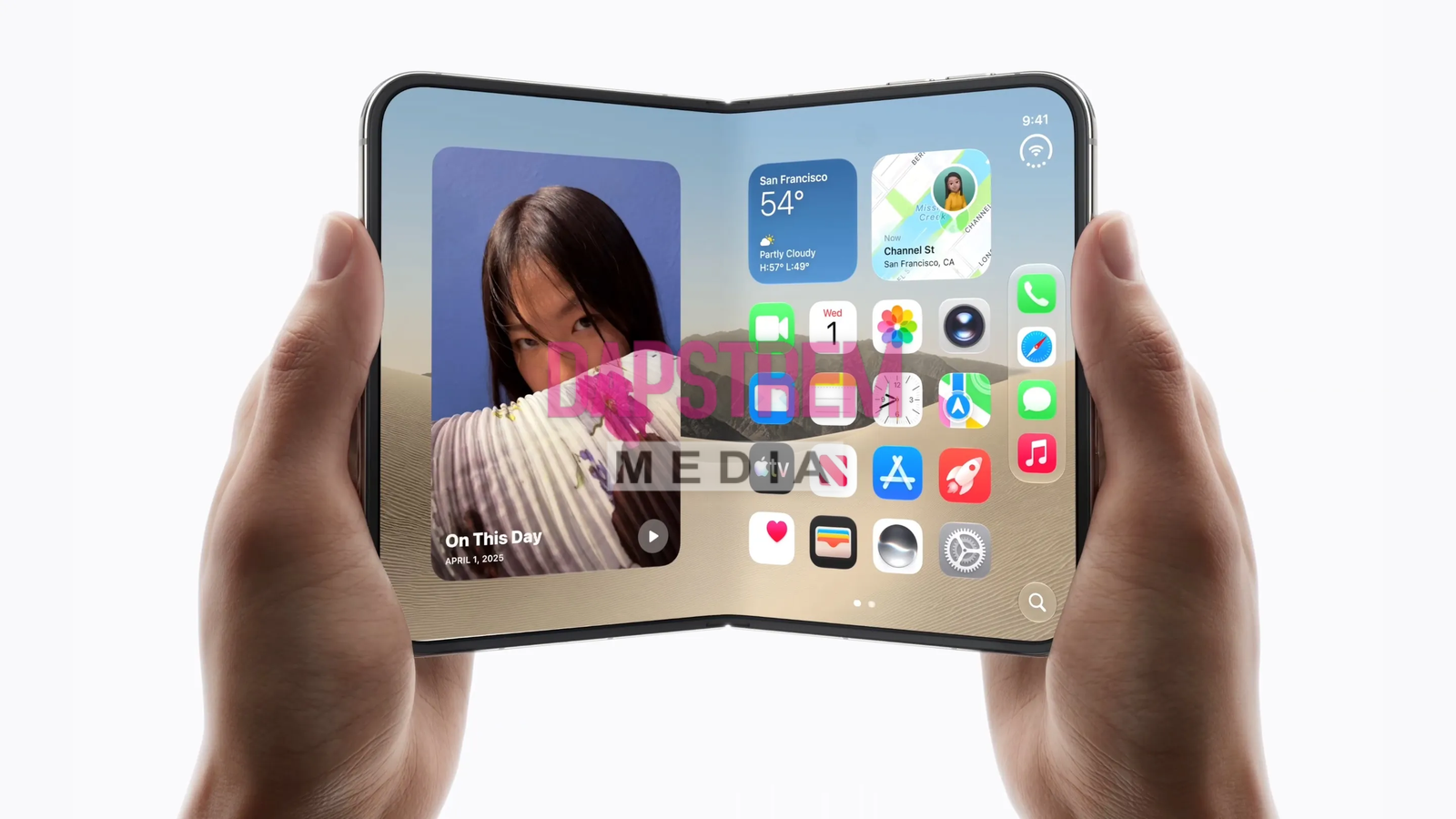
Apple has officially launched its first foldable smartphone, the iPhone Duo, with a starting price of $1,999 in the United States, marking a major shift in the company’s approach to smartphone design.
The device went on sale worldwide on October 23, 2026, attracting buyers eager to experience Apple’s first folding phone. However, limited supplies and strong demand have made it difficult for some customers to secure the device immediately.
According to Reuters, pre-orders sold out rapidly, with estimated delivery dates slipping to late January 2027 within minutes of orders opening on October 16. Apple described the response as “nothing short of extraordinary.”
The launch represents a significant test for Apple as it seeks to expand the foldable-phone market, which has been dominated by manufacturers such as Samsung and Huawei.
A new chapter in iPhone design
The iPhone Duo combines the portability of a conventional smartphone with a larger screen that opens for browsing, gaming, watching videos and multitasking.
According to Apple’s official product announcement, the device features a 5.4-inch external display and a 7.6-inch internal screen. It is powered by Apple’s A20 Pro chip and runs iOS 27.1, with software designed to adapt to the folding form factor.
The phone also features a titanium frame and a precision-engineered hinge intended to provide a smooth folding experience while improving durability.
Apple says the design offers its largest iPhone display to date, allowing users to switch between a compact phone and a more expansive screen without carrying a separate tablet.
The company is betting that its hardware design and software integration will persuade customers who have previously been reluctant to embrace foldable devices.
Why the phone costs nearly $2,000
The iPhone Duo starts at $1,999 for the 256GB model, with higher storage configurations available at additional cost.
The price positions it firmly in the premium smartphone category and puts it beyond the reach of many ordinary consumers.
Apple’s strategy appears to target customers willing to pay extra for a larger display, advanced materials and the convenience of combining smartphone and tablet-style functionality in one device.
However, the price also raises questions about whether the additional features justify the expense, particularly when conventional flagship smartphones offer powerful cameras, high-performance processors and premium displays at lower prices.
For Apple, the challenge will be convincing buyers that the foldable design provides enough practical value to justify the premium.
Limited supply fuels competition for stock
The launch has been marked by restricted availability in several markets.
Reuters reported that Apple limited pre-orders to two devices per customer and restricted walk-in purchases, with availability varying by country.
In some markets, customers could purchase limited quantities in stores, while others were restricted to online orders.
The shortages have also attracted resellers hoping to profit from the gap between demand and available stock.
The extent to which the shortages reflect manufacturing constraints, unexpectedly strong demand or both remains an important question for the company’s longer-term sales outlook.
Early reviews reveal strengths and weaknesses
Initial reviews have praised the iPhone Duo’s design and its nearly invisible hinge, addressing one of the longstanding concerns surrounding foldable smartphones.
However, reviewers have also highlighted compromises, particularly in the camera system and software compatibility.
The absence of a telephoto camera has disappointed some critics, while certain third-party applications still need adjustments to take full advantage of the larger display.
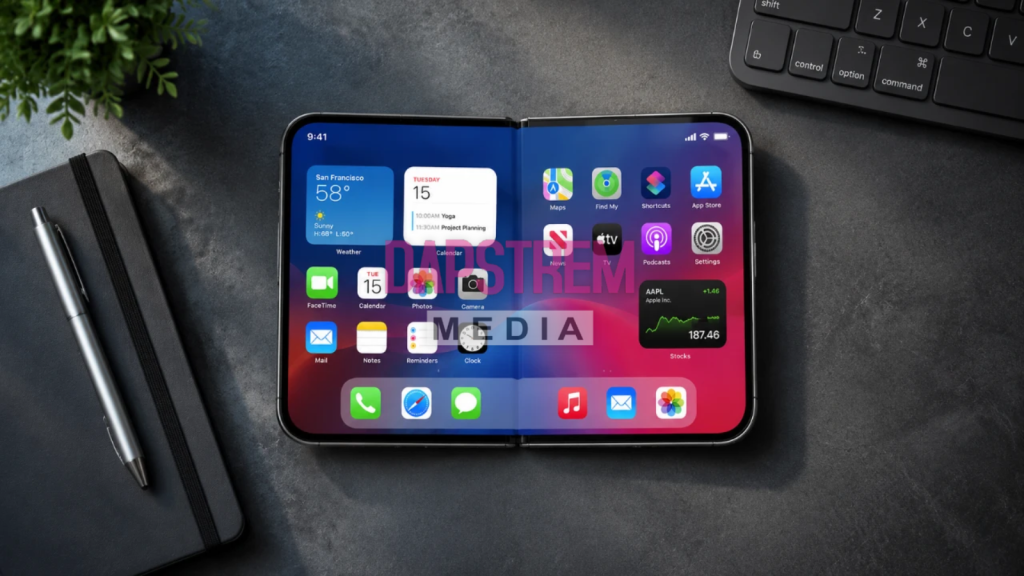
These limitations could influence whether buyers see the Duo as a practical everyday phone or an expensive early-generation experiment.
The device’s success will depend not only on its design but also on how well it performs after weeks and months of normal use.
A challenge to Samsung and Huawei
Apple’s entry into the foldable market could reshape competition in a segment where Samsung and Huawei have already established products and loyal customers.
The company brings a large existing iPhone user base, an established retail network and a tightly integrated software ecosystem.
Research firm IDC expects Apple to capture a substantial share of the foldable market in 2026, forecasting 44% of market value and 31% of units, according to Reuters.
Those projections suggest that Apple could become a major force in the category even during its first year, although actual results will depend on production capacity, pricing and consumer response.
Competitors may also face pressure to improve their designs, software experiences and pricing as Apple enters the market.