The death of Zimbabwean businessman Wicknell Chivayo has left several Harare car dealerships facing uncertainty over millions of dollars in unpaid vehicle bills. The businessman, known for gifting luxury cars and cash to musicians, church members and other public figures, died in a helicopter crash on September 30, 2026.
Reports published in October indicate that three major dealerships are trying to establish how much they are owed for vehicles supplied to Chivayo. The reported outstanding balances total approximately US$5.1 million, raising questions about how the transactions will be settled as his estate is administered.
Car Dealerships Reportedly Owed US$5.1 Million
According to a report by ZimLive, three Harare dealerships have outstanding claims linked to vehicles supplied to Chivayo.
The reported amounts are:
-
Faramatsi Motors: US$2.4 million.
-
Exquisite Cars: US$1.4 million.
-
Enterprise Car Sales: US$1.3 million.
Together, the figures amount to approximately US$5.1 million.
The reports describe an arrangement under which Chivayo could collect vehicles and settle the bills later, with payments reportedly expected within about three months. Sources familiar with the transactions said payments were linked to the timing of funds received by his businesses.
However, the reported figures have not been established through a comprehensive public audit. Exquisite Cars owner Victor Vikela disputed the amount reportedly owed to his business, saying it was greatly exaggerated and that the debt had been written off. Other dealers declined to discuss individual transactions, citing client confidentiality.
Fifteen Toyota Fortuners Collected on the Day He Died
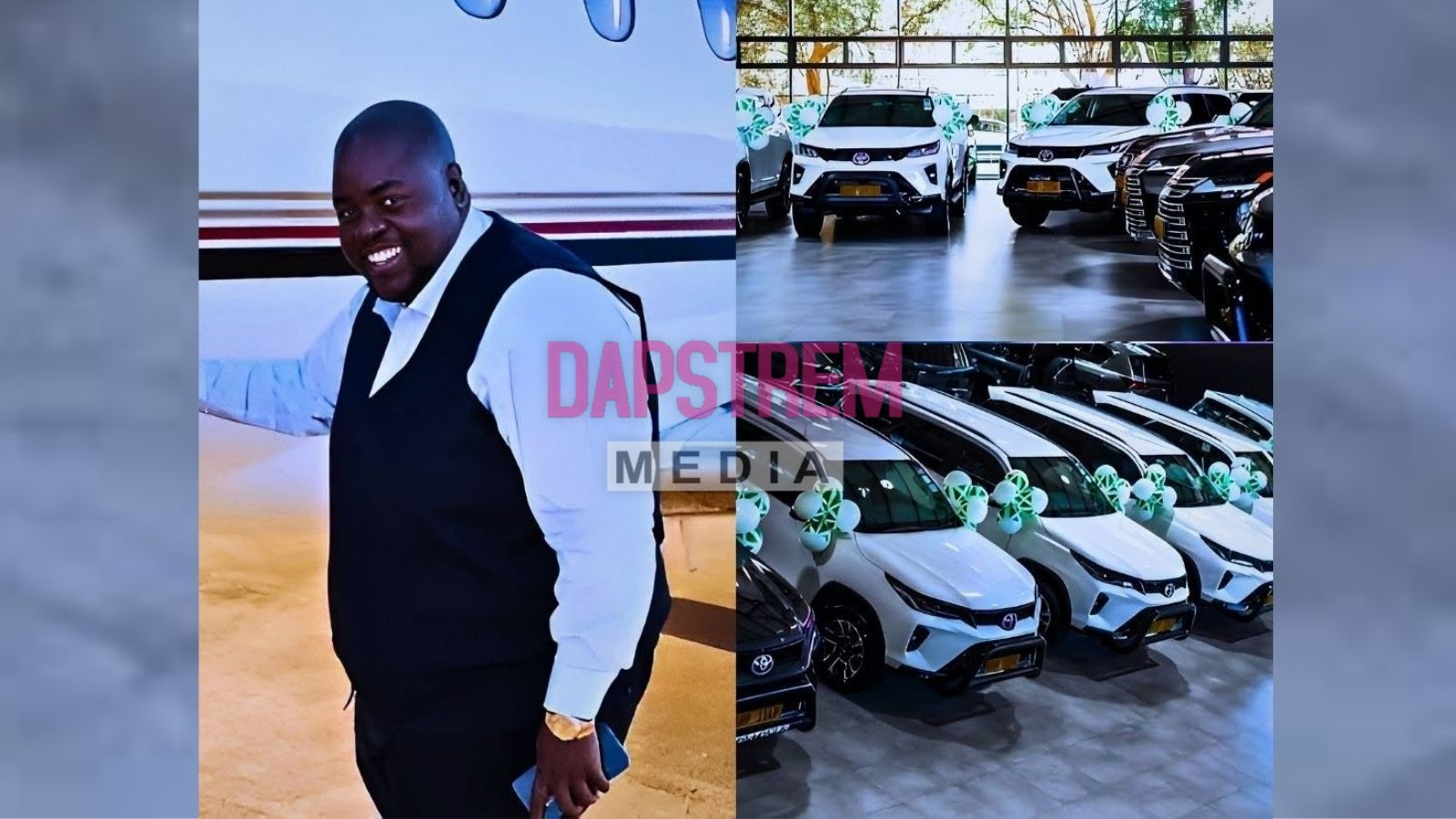
One of the most striking developments involves a fleet of 15 Toyota Fortuners that Chivayo had promised to members of the Johane Masowe church.
On September 25, he announced that 15 church members from Domboshava, Chiweshe and Mrewa would each receive a brand-new 2026 Toyota Fortuner 2.4 GD-6, alongside US$5,000 in cash.
The vehicles were reportedly collected on September 30, the same day Chivayo and five other people died in a helicopter crash near Marondera, east of Harare.
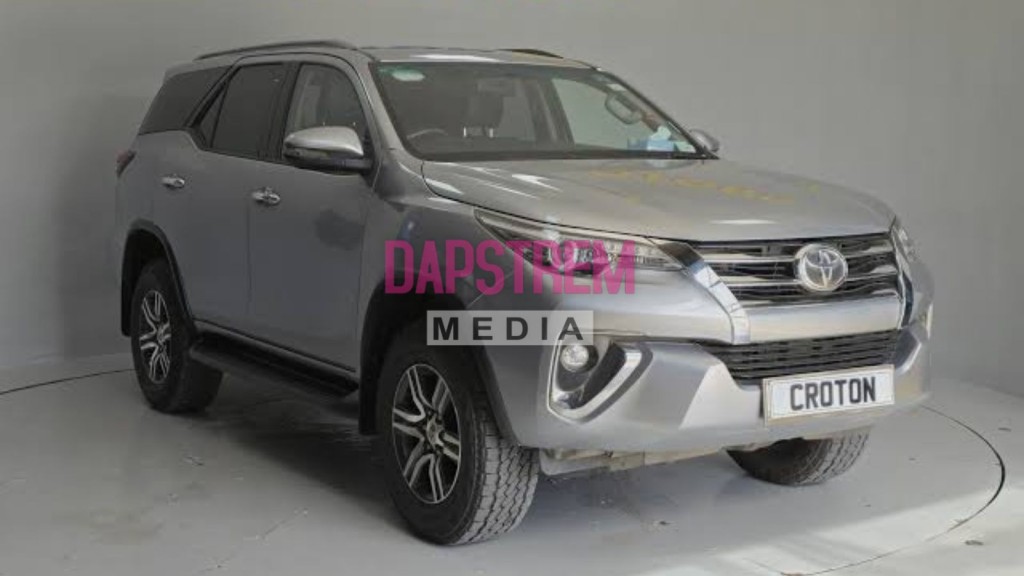
The timing left suppliers trying to establish whether all payments relating to the vehicles had been completed. The Fortuners were valued at approximately US$70,000 each, making the fleet a substantial transaction.
The key issue for dealerships is not simply that the vehicles were handed over, but whether the corresponding invoices and payments were fully settled.
How the Luxury Car Gift Network Worked
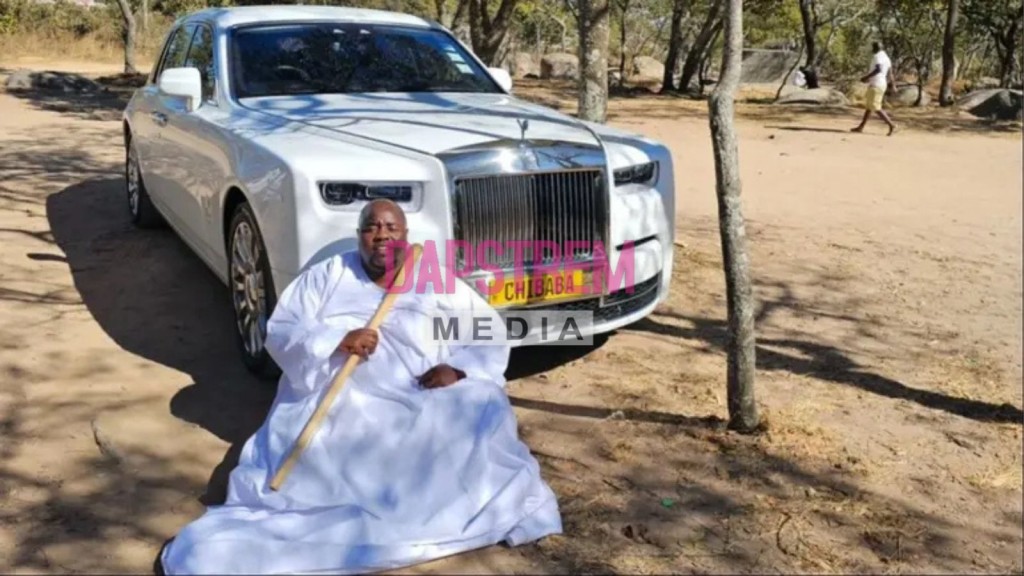
Chivayo built a high-profile reputation around publicly announcing gifts of expensive vehicles and cash. Recipients were often instructed to visit a dealership to collect their cars, making the handovers a familiar feature of his social media presence.
The vehicle orders reportedly included Toyota Fortuners, Toyota Aquas, Land Cruisers and Mercedes-Benz models. For large orders, dealerships sometimes combined stock to supply the required number of vehicles.
Such arrangements created business opportunities for dealerships, which could sell several vehicles through a single customer. But when payments were delayed, the arrangement also exposed suppliers to financial risk.

If one dealer sourced vehicles from another to fulfil a bulk order, the payment trail could involve multiple invoices and businesses. After Chivayo’s death, those involved have had to review the transactions to establish which amounts remain outstanding.
Estimates of his publicly announced gifts have varied. Some reports have put the combined value of vehicles and cash at approximately US$47 million, while other accounts have cited different totals. These estimates describe the reported gifting activity and should not be confused with the separate US$5.1 million in alleged dealership debts.
What Happens to the Outstanding Bills?
Chivayo’s death means that outstanding financial obligations must now be addressed through the administration of his estate.
Dealerships will need to reconcile their records, including vehicle orders, delivery documents, invoices and payments already received. The process is particularly important where vehicles were supplied on credit or where more than one business contributed stock to an order.
Until the relevant accounts are reviewed and the estate’s administration progresses, the final amount recoverable by each supplier remains uncertain.
The situation has also raised questions about vehicles that were promised publicly but whose transactions may not have been completed. In a separate report, Enterprise Car Sales owner Madzibaba Tendai Chipaga said approximately 15 vehicles supplied to Chivayo remained subject to outstanding payments. He also denied reports that a musician had been ordered to return a gifted Toyota Fortuner, saying the relevant estate processes were still pending.
A Financial Legacy Beyond the Luxury Gifts
Chivayo’s death has drawn attention to the commercial arrangements behind his widely publicised generosity. While recipients saw luxury cars being handed over, dealerships had to source stock, organise deliveries and track payments.
The reported debts do not automatically mean that every gifted vehicle is at risk of being reclaimed, nor do they establish that every transaction remains unpaid. Each case depends on its own documentation and payment status.
For now, the dealerships’ immediate task is to determine which invoices remain unsettled and pursue the appropriate process for recovering any outstanding money.
The case illustrates how a high-profile gifting network can involve complex commercial relationships behind the scenes. As Chivayo’s estate is administered, suppliers and recipients alike will be watching for clarity on the outstanding transactions and the future of the commitments he made during his lifetime.