Veteran Nollywood Actor Francis Duru Dies at 57 After a Brief Illness
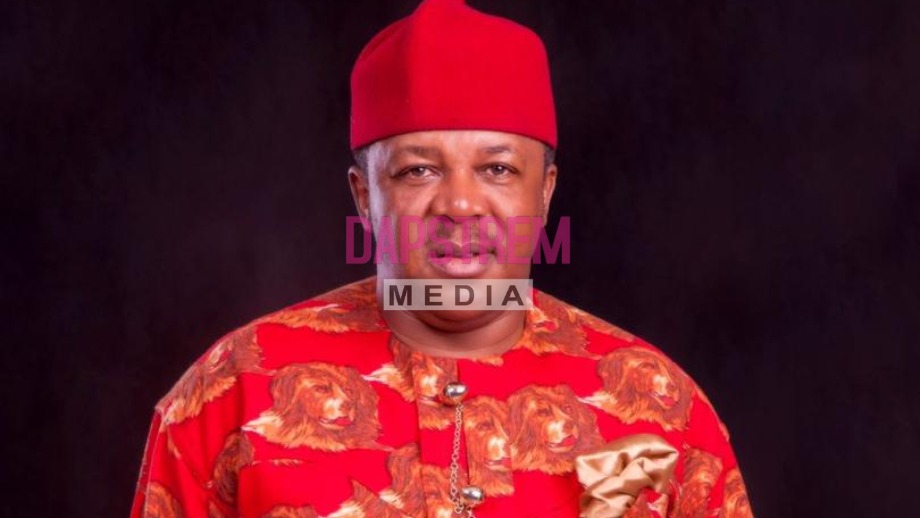
The Nigerian entertainment industry is mourning the death of veteran Nollywood actor Francis Duru, whose passing has left fans, colleagues and movie lovers reflecting on his remarkable contribution to African cinema. His death was announced by his family on Friday, October 23, 2026, through a statement shared on his official Instagram page.
In the announcement, the family expressed its sorrow over the loss and thanked supporters for their prayers, love and understanding during the difficult period. Although the family confirmed that the actor died following a brief illness, it did not disclose further details about his condition or the circumstances surrounding his death.
The news quickly attracted attention across Nigeria’s entertainment industry, with fans remembering the actor for his memorable performances, distinctive screen presence and longstanding contribution to Nollywood. His death marks the end of a career that began in the late 1980s and continued through decades of change in the Nigerian film industry.
For many viewers, Duru was more than a familiar face on television. He was part of a generation of actors who helped establish Nollywood as one of Africa’s most recognisable creative industries. Through his work in film and theatre, he built a reputation that extended beyond individual productions and connected with audiences across different generations.
His passing also comes at a time when Nigerian cinema continues to evolve, with filmmakers exploring new storytelling techniques, digital distribution platforms and international partnerships. Duru’s career provides a reminder of the actors whose work helped lay the foundations for the industry’s continued growth.
Francis Duru’s rise to prominence in Nollywood
Born on July 27, 1969, in Cameroon to Nigerian parents from Imo State, Francis Duru developed a career that would eventually establish him as one of Nollywood’s recognised veteran performers.
He completed his primary and secondary education in Cameroon before moving to Nigeria for university studies. He later enrolled at the University of Port Harcourt in Rivers State, where he studied Theatre Arts and graduated in 1996.
His academic background gave him a foundation in the performing arts, while his subsequent work allowed him to develop his skills in front of the camera and on stage. Duru entered the Nigerian film industry in 1989, beginning a professional journey that would span more than three decades.
Like many actors who entered Nollywood during its formative years, he worked in an industry that was steadily developing its production methods, distribution networks and audience reach. Nigerian filmmakers were building a distinctive style of storytelling that reflected local experiences, cultural traditions, family relationships and social realities.
Duru’s career grew alongside that transformation. He appeared in productions that helped establish Nollywood as a major source of entertainment for Nigerian audiences and viewers across Africa and the diaspora.
His breakthrough came through his role as Ahanna in Rattlesnake, the 1995 film directed by the late filmmaker Amaka Igwe. The production became one of the notable works of its era, and Duru’s performance helped bring him wider recognition.
His portrayal of Ahanna remains among the roles most closely associated with his name. The film formed part of the wave of Nigerian productions that captured audiences through compelling characters, dramatic storytelling and themes rooted in everyday experiences.
For viewers who followed Nollywood during the 1990s, Rattlesnake remains an important reference point in the development of the industry. Duru’s involvement in the production helped establish his position among actors who became familiar to audiences during that period.
A career built on versatility and memorable performances
Duru continued working in Nigerian film after the success of Rattlesnake, taking on roles in productions across different genres and storylines. His filmography included titles such as Blood Money, released in 1997, Stigma in 2013 and Mboputa in 2020.
His work demonstrated his continued commitment to acting and his ability to remain active as Nollywood evolved. Over the years, the industry experienced significant changes in production quality, storytelling approaches, audience expectations and distribution methods.
Actors who began their careers in the industry’s earlier years had to adapt to these developments while maintaining the skills and experience that had established their reputations. Duru remained involved in the creative sector as filmmakers explored new themes and reached wider audiences.
His performance in Mboputa earned him the Best Actor in a Leading Role award in the Igbo category at the 2020 Best of Nollywood Awards. The recognition highlighted his contribution to Nigerian filmmaking and demonstrated that his work continued to receive industry attention decades after his debut.
The award was also a reminder of the importance of regional-language productions within Nollywood. Films made in Nigerian languages help preserve cultural expressions, expand local storytelling and connect audiences with characters and experiences that reflect their communities.
Duru’s participation in such productions formed part of his broader contribution to an industry that accommodates multiple languages, traditions and storytelling styles.
His career was not limited to acting in films. He also worked in theatre, served as a master of ceremonies and pursued activities connected to consultancy and voice-over work. These different roles reflected his involvement in the wider creative sector.
His experience across various areas of entertainment also demonstrated the range of opportunities available to performers whose skills extend beyond appearing in front of a camera.
His contribution to the Actors Guild of Nigeria
Beyond his performances, Duru took on responsibilities within the professional structures representing Nigerian actors. In 2010, he served as interim president of the Actors Guild of Nigeria, an organisation that represents actors and plays a role in addressing professional issues affecting members of the industry.
The appointment placed him in a leadership position at a time when Nollywood continued to expand and actors faced questions surrounding working conditions, professional representation and the development of the industry.
Serving in such a role required more than acting experience. It involved participating in discussions about the interests of performers and the wider direction of their professional association.
Duru’s involvement in the guild formed another part of his contribution to Nigerian entertainment. His career therefore extended beyond the characters he portrayed, reflecting his participation in the structures that support and represent creative professionals.
In 2007, he also received a United Nations Ambassador of Peace award in recognition of his positive influence on young people. The honour added to the recognition he received during his career and reflected the public profile he had developed through his work.
His experience illustrates how performers can influence society beyond the screen. Actors often reach large audiences through their roles, public appearances and engagement with social issues, making their voices influential within and outside the entertainment industry.
For aspiring actors, Duru’s career offered an example of professional longevity and the value of building skills over time. His journey from his early film appearances to recognition as a veteran performer demonstrated the commitment required to remain active in a competitive industry.
Family life and the painful loss of his son
Away from the cameras, Duru was a husband and father. He married his wife, Adokiye, in 2003, and the couple had four children together.
Although his career kept him in the public eye, his family remained an important part of his life. Like many entertainers, he balanced professional responsibilities with the private demands of marriage and parenthood.
In August 2024, Duru shared the heartbreaking news of the death of his 15-year-old son, Ifeanyi. The loss was a deeply painful experience for the actor and his family, attracting messages of sympathy from supporters who followed the announcement.
In his tribute to the teenager, Duru used affectionate words to remember his son and expressed the depth of his love for him. His public message offered a glimpse into the grief experienced by a father facing the death of a child.
The tragedy also brought attention to the personal challenges that public figures experience away from their professional lives. While audiences may know actors through their characters and public appearances, they also face family struggles, bereavement and other deeply personal experiences.
Duru later spoke about the effect of losing his son and the role his faith played in helping him cope with the experience. His reflections showed how the loss had affected his outlook on life and the importance he placed on faith as he continued with his responsibilities.
The death of his son was a painful chapter in the actor’s life. Now, following the announcement of Duru’s own passing, his family is facing another devastating loss.
The circumstances surrounding his final illness have not been fully disclosed, and it would be inappropriate to speculate about any connection between his earlier family tragedy and his death. What is clear is that his passing has left his wife, children, relatives and loved ones grieving a man whose life touched many people through his work.
Earlier health rumours and the family’s announcement
Duru’s death has also renewed attention to concerns about his health that circulated on social media earlier in 2026.
In June, footage showing the actor looking frail prompted speculation that he was battling a serious or life-threatening illness. The video generated concern among some fans, while claims about his health circulated online.
Duru subsequently responded publicly, dismissing the reports and describing the footage as false and misleading. He criticised those responsible for circulating the claims and reassured supporters who had expressed concern about him.
His response highlighted the difficulties public figures can face when unverified health information spreads online. Social media allows news and images to reach large audiences rapidly, but it can also encourage speculation before accurate information is available.
The earlier rumours should not be treated as proof of the nature of the illness that preceded his death. In its announcement, the family confirmed only that he had died following a brief illness and did not provide a diagnosis.
The distinction is important because the public deserves accurate information, particularly when reporting on a person’s health and death. Without further details from the family or another reliable source, the circumstances of his final illness remain unclear.
His passing has nevertheless renewed discussions about the need for responsible reporting and sensitivity when sharing information about public figures and their families.
For fans, the most important confirmed information is that the actor has died at the age of 57 and that his family is mourning his loss. Further details about funeral arrangements and memorial plans had not been provided in the initial announcement.
Nollywood mourns the loss of a veteran actor
The death of a veteran performer inevitably prompts reflection on the people and productions that have shaped an industry’s history. In Duru’s case, his long career connected him to several generations of Nigerian filmmaking.
The president of the Actors Guild of Nigeria, Abubakar Yakubu, also acknowledged the actor’s death in a tribute shared on social media. His message reflected the sadness within the professional community following the loss of a fellow performer.
Tributes from colleagues and fans are expected to focus on Duru’s acting career, his influence on younger performers and the memorable roles he brought to the screen.
For fellow actors, the death of a veteran colleague is also a reminder of the relationships and shared experiences that develop over years of working in film and theatre. Productions require collaboration among actors, directors, writers, cinematographers, editors and many other professionals.
Duru’s career placed him within that creative network, and his work contributed to the collective effort that built Nollywood into a major force in African entertainment.
For audiences, his death may bring back memories of films watched with family members, characters remembered years after a production was released and the early days of Nigerian home-video cinema.
Such memories form part of the relationship between performers and their audiences. A film can remain meaningful long after its release because of the emotions, lessons and conversations it inspires.
Duru’s role in Rattlesnake is one example of how a performance can remain associated with an actor throughout a long career. His other film and theatre projects added to a body of work that extended beyond a single production.
His passing therefore represents not only a personal loss for his family but also a moment of reflection for an industry that continues to build on the work of earlier generations.
The legacy Francis Duru leaves behind
Francis Duru’s legacy will be remembered through his performances, his years of service to the creative sector and the influence he had on audiences who followed his career.
He entered the industry in 1989, when Nollywood was developing into the internationally recognised film sector it is today. Over the decades, he witnessed and participated in its transformation from an industry strongly associated with home-video releases to one increasingly connected to digital platforms and international markets.
His role in Rattlesnake helped establish his name among Nollywood audiences, while his subsequent projects demonstrated his continued involvement in Nigerian cinema. His award-winning performance in Mboputa and his leadership role in the Actors Guild of Nigeria further illustrated the different ways he contributed to the industry.
For aspiring performers, his journey offers a reminder that a lasting career is built through experience, adaptability and dedication to the craft. His work across film, theatre and other creative activities also demonstrates the value of developing skills that can be applied in different professional settings.
His death at 57 has cut short a life devoted to creative work, leaving his family and supporters to mourn his passing. Yet the films he appeared in and the memories associated with his performances will continue to form part of his legacy.
As tributes emerge from across the entertainment industry, attention will remain on the contributions he made during more than three decades in Nollywood. His story is also a reminder of the importance of recognising and celebrating artists whose work helps shape cultural identity and preserve stories for future generations.
For his family, the immediate priority will be to grieve privately and navigate the difficult period following his death. For fans, his films provide an opportunity to revisit the work that made him a familiar and respected figure in Nigerian entertainment.
Francis Duru’s passing marks the end of a significant chapter in his personal and professional life. Although he is no longer here, his performances and contribution to Nollywood will remain part of the industry’s history.
May his soul rest in peace, and may his family find strength and comfort as they mourn their loss.