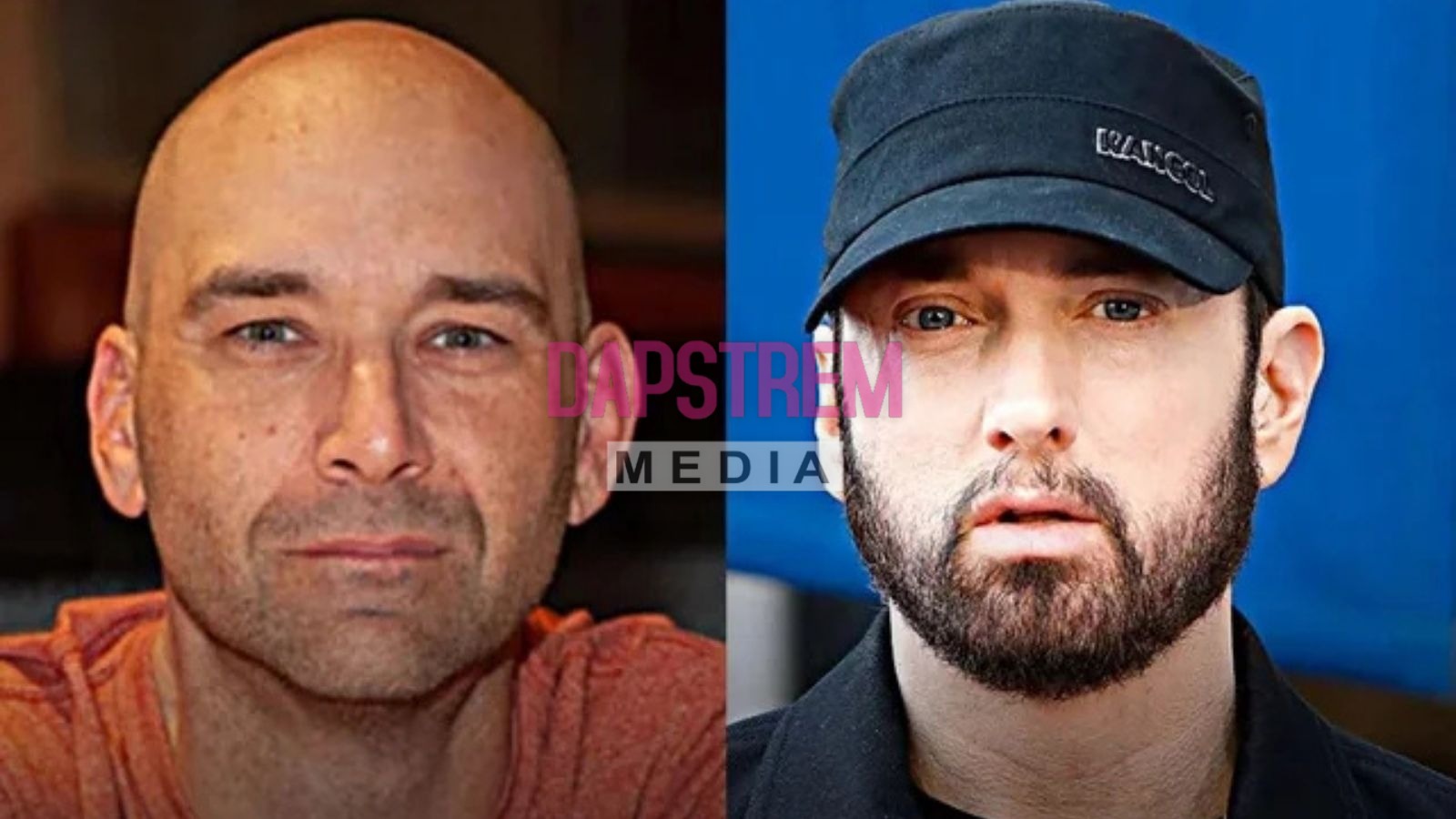
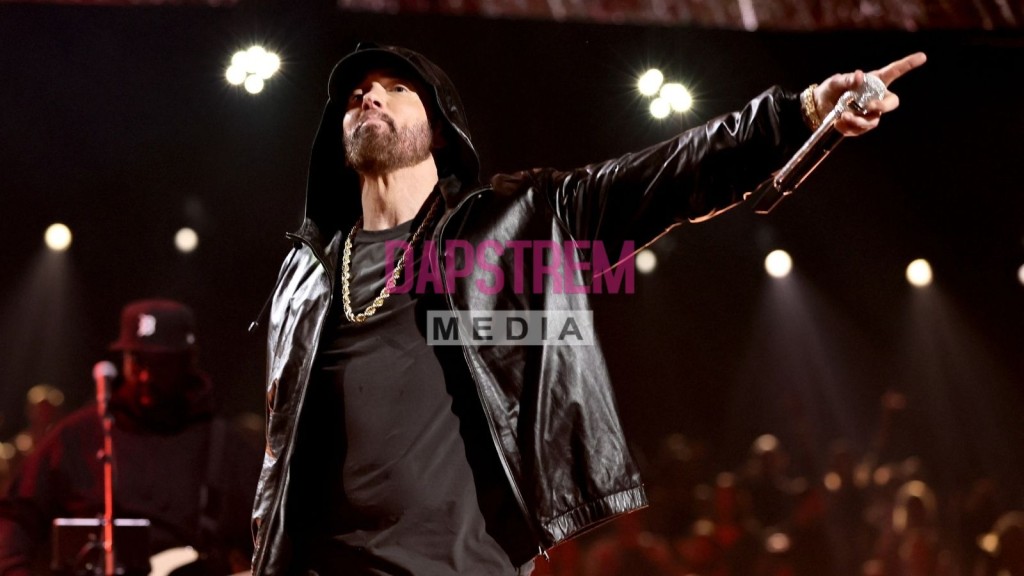
American rapper Eminem has scored a legal victory after his former studio employee, Joseph Strange, pleaded guilty to criminal copyright infringement over the unauthorised copying and sale of the rapper’s unreleased music.
Strange, 48, entered the guilty plea in federal court in Michigan on Thursday, October 22, 2026. Prosecutors say he sold recordings belonging to the rapper, whose real name is Marshall Mathers, for approximately $50,000 without permission.
The recordings later appeared online and were accessed more than eight million times by November 2025, according to data cited by the United States Department of Justice. Prosecutors estimate the infringement amount at at least $750,000.
Strange faces a maximum sentence of five years in prison, with sentencing scheduled for January 27, 2027.
How Eminem’s Former Employee Accessed the Music
According to court documents, Strange worked for Eminem from approximately 2007 to 2021 at a recording studio in Ferndale, Michigan.
His responsibilities included helping set up and operate the computer system used to store the rapper’s music. Through his work, he had access to password-protected hard drives containing recordings and projects that were still being developed and had not been approved for public release.
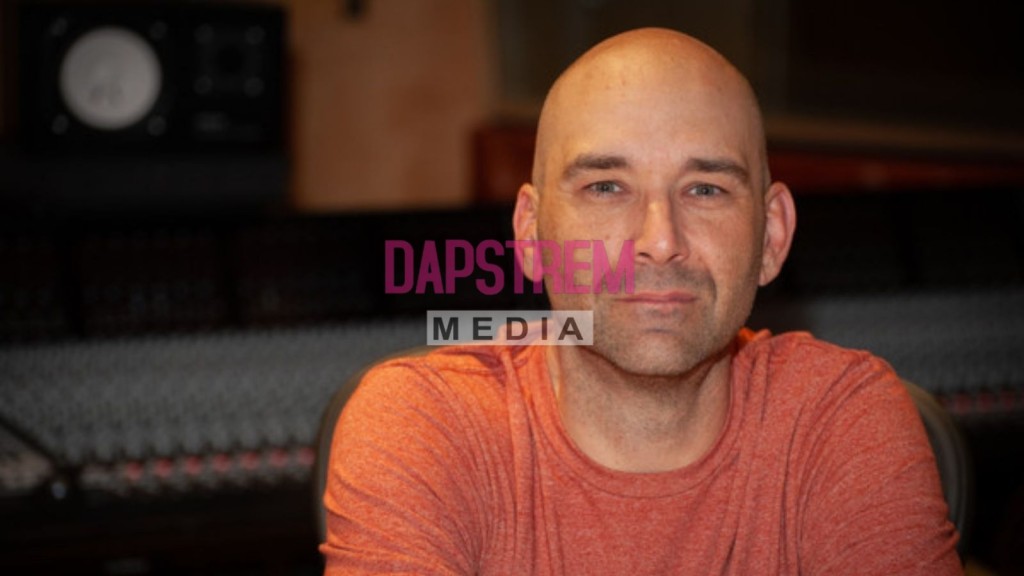
Prosecutors said Strange copied at least 10 audio files without authorisation. The files contained music and other material in various stages of development.
Between July and August 2024, several years after his employment ended, he sold and transmitted at least 10 of the files to buyers over the internet, receiving approximately $50,000.
The recordings were subsequently distributed online without Eminem’s knowledge or permission.
Unreleased Songs Attracted Millions of Plays
The leaked recordings eventually appeared on public streaming platforms, allowing listeners to access material that Eminem had not officially released.
According to the Justice Department, streaming-provider data showed that the files identified in the investigation had been accessed more than eight million times by November 2025.
Prosecutors estimate the infringement amount at no less than $750,000. This figure is separate from the approximately $50,000 Strange allegedly received from selling the files.
Authorities also noted that some recordings had undergone professional studio preparation, including mastering, for possible commercial release. However, prosecutors clarified that there was no certainty that all the material would eventually have been released commercially.
The case highlights the commercial sensitivity of unreleased music, which artists and their teams may spend years developing before deciding whether to publish it.
FBI Investigation Uncovered the Leak
The investigation began in January 2025 after employees at Eminem’s studio discovered that unreleased recordings were circulating online.
Studio staff contacted the FBI after finding information indicating that music created by the rapper was being offered for sale. Investigators subsequently identified buyers who linked the sales to Strange.
The FBI searched Strange’s home in January 2025 as part of the investigation. Earlier reporting on the case said investigators found storage devices containing audio files and other material connected to Eminem’s music.
Strange was charged in March 2025 with criminal copyright infringement and interstate transportation of stolen goods. His guilty plea on October 22 relates to criminal copyright infringement.
Eminem’s Representatives Respond to the Case
The case has raised concerns about trust and the protection of creative work within the music industry.
Assistant Attorney General A. Tysen Duva said Strange had abused a position of trust by copying and selling music that was not authorised for public distribution.
Federal authorities said the guilty plea demonstrated their commitment to protecting intellectual property and holding people accountable for profiting from the unauthorised use of another person’s work.
For artists such as Eminem, unreleased recordings can include unfinished songs, alternative versions and material that may never be intended for public consumption. Unauthorised distribution can interfere with an artist’s release plans and creative control.
When Will Joseph Strange Be Sentenced?
Strange is scheduled to return to federal court on January 27, 2027, when a judge will determine his sentence.
Although the charge carries a maximum penalty of five years in prison, that is not an indication of the sentence he will necessarily receive. The judge will consider federal sentencing guidelines and other relevant legal factors.
The guilty plea resolves the question of Strange’s admission to criminal copyright infringement, while sentencing remains pending.
The case serves as a reminder that access to an artist’s private recordings through employment does not grant permission to copy, sell or distribute them.
For Eminem and his team, the proceedings mark a significant step in addressing the unauthorised sale of music that had not been approved for release.