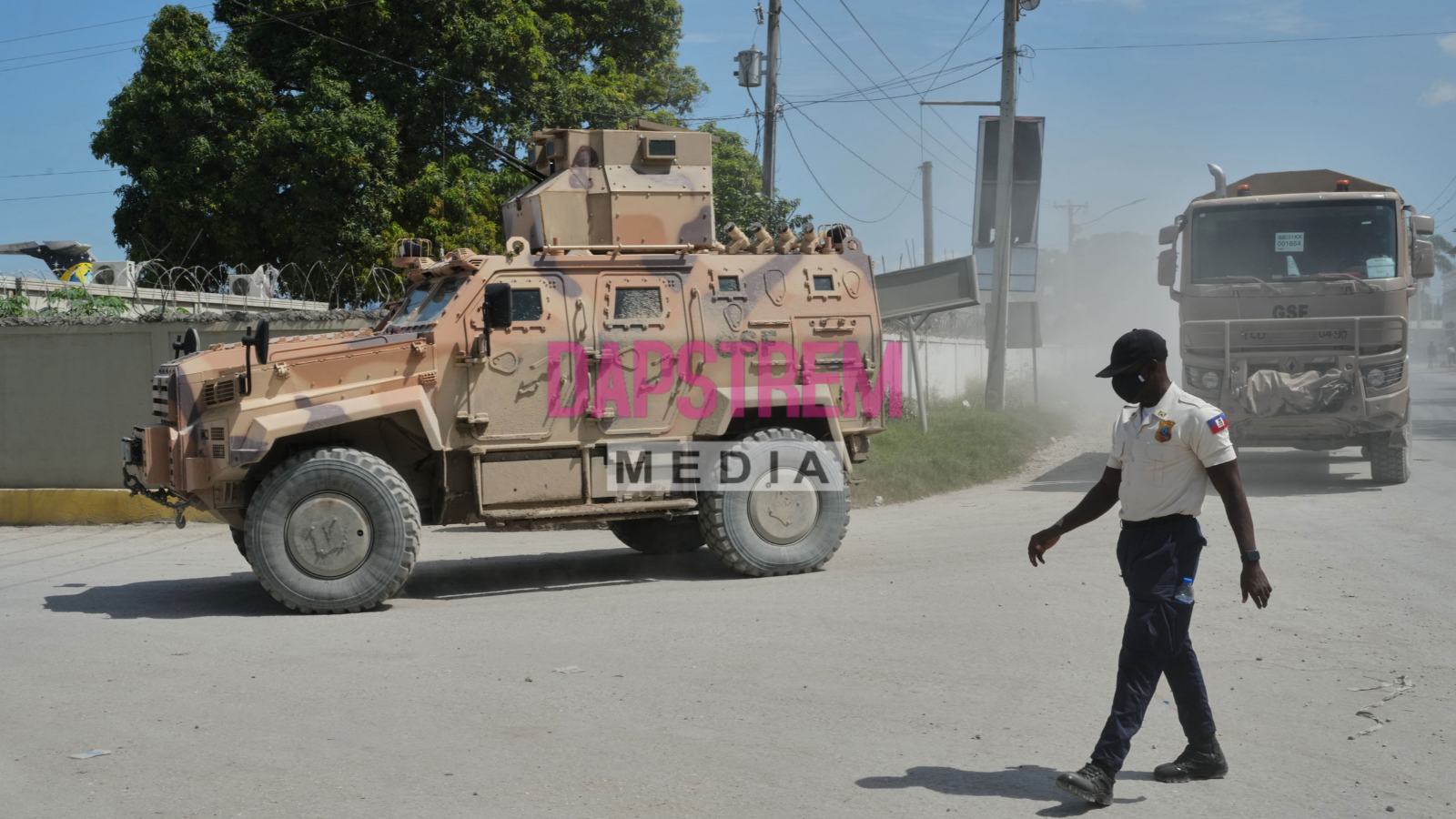
Haiti has formalised a security cooperation agreement with El Salvador, strengthening bilateral efforts to tackle escalating gang violence that has left thousands dead, displaced millions and weakened government control across the Caribbean nation.
The agreement, approved by Haiti’s Council of Ministers on Tuesday, November 17, establishes a framework for security cooperation between the two countries following El Salvador’s deployment of more than 2,000 troops to support operations against armed criminal groups in Haiti.
The deal marks a significant step in Haiti’s efforts to secure international assistance as its national police continue struggling to contain powerful gangs responsible for killings, kidnappings, extortion and attacks on public institutions.
Under the cooperation arrangement, the two countries are expected to strengthen collaboration in security operations, intelligence sharing and efforts to restore public order. The agreement also provides a formal basis for continued Salvadoran involvement in supporting Haiti’s security response.
The partnership follows Salvadoran President Nayib Bukele’s decision to send additional personnel to Haiti amid growing concerns over the country’s deteriorating security situation.
El Salvador has gained international attention for its aggressive crackdown on criminal gangs under Bukele, whose administration has overseen a substantial reduction in reported gang-related violence. However, the strategy has also attracted criticism from human rights organisations over alleged arbitrary arrests, prison conditions and violations of due process.
For Haiti, the agreement comes at a time when armed groups continue to control significant parts of Port-au-Prince and surrounding areas, restricting access to essential services, businesses and humanitarian assistance.
The United Nations has repeatedly warned that gang violence is worsening Haiti’s humanitarian emergency, with thousands of people killed or injured and large numbers forced to abandon their homes.
The agreement is expected to strengthen Haiti’s capacity to coordinate international security assistance while drawing on El Salvador’s experience in confronting organised criminal networks.
However, questions remain over the operational command of the deployed Salvadoran personnel, the duration of their mission, financing arrangements and safeguards to ensure civilian protection.
The latest partnership reflects Haiti’s determination to pursue additional international support as it struggles to restore security and rebuild public confidence in state institutions.
Ultimately, the success of the agreement will depend on whether the cooperation produces lasting improvements in security, restores government authority and allows displaced Haitians to return safely to their communities.