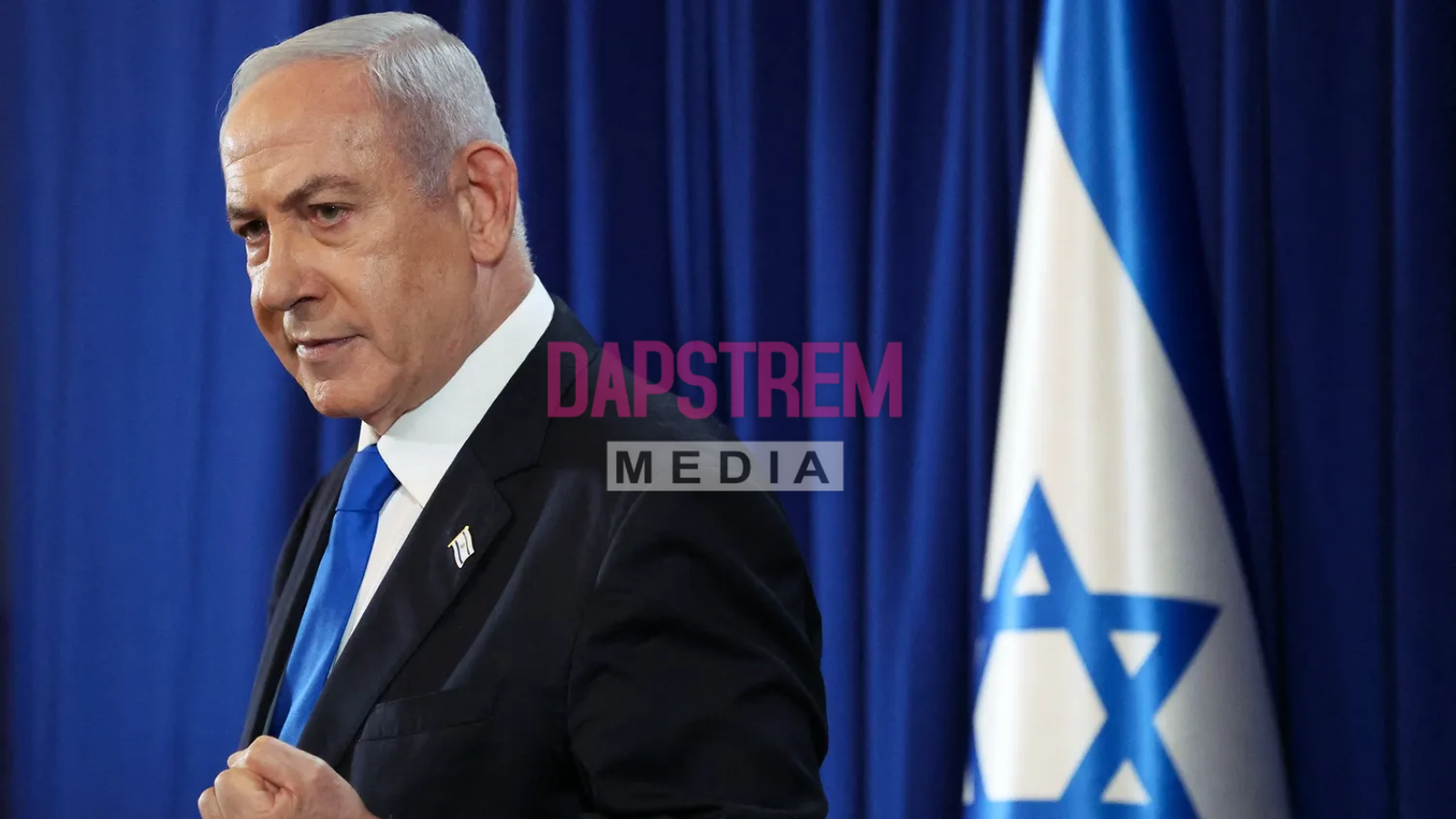
Israeli Prime Minister Benjamin Netanyahu is facing another major political setback as parliament prepares to elect a new speaker aligned with the opposition, in a move that could weaken his influence over the country’s legislature and accelerate efforts to reverse key policies of his government.
The Knesset, Israel’s 120-member parliament, is scheduled to vote on Tuesday, November 17, 2026, on the appointment of Matan Kahana, an ally of former military chief and opposition leader Gadi Eisenkot.
Kahana’s expected election would mark a significant shift in parliamentary leadership, replacing outgoing speaker Amir Ohana, a close ally of Netanyahu’s Likud party.
The development follows the October 27 general election, which stripped Netanyahu’s political bloc of its parliamentary majority and handed the opposition a stronger position in the new legislature.
Although Netanyahu remains caretaker prime minister, the changing balance of power means his opponents could begin dismantling parts of his political legacy even before a new government is formed.
Opposition closes ranks against Netanyahu
Eisenkot, whose Yashar party is leading efforts to form an alternative government, has rallied opposition parties behind Kahana’s candidacy.
The candidate is expected to secure support from approximately 67 lawmakers, including members of Arab-led political parties that made significant gains in the recent election.
Arab parties collectively secured 19 seats, giving them considerable influence in the new parliamentary arrangement.
Kahana has rejected an offer of support from Netanyahu and Finance Minister Bezalel Smotrich that reportedly sought to exclude Arab lawmakers from deputy speaker positions.
Netanyahu’s Likud party has opposed replacing Ohana while negotiations over a possible national-unity government remain ongoing, arguing that major parliamentary changes should not be rushed.
However, the opposition maintains that parliament has the authority to elect its own leadership and proceed with legislative business.
Netanyahu’s policies face possible reversal
If elected, Kahana is expected to help the opposition push forward legislation aimed at reversing controversial decisions made under Netanyahu’s leadership.
One of the first priorities is expected to be dismantling judicial reforms introduced by Netanyahu’s government, which sought to reduce the independence of Israel’s judiciary.
The reforms triggered some of the largest demonstrations in Israel’s history, with critics warning that they threatened democratic institutions and weakened checks on government power.
The opposition is also seeking to establish an independent commission of inquiry into the October 7, 2023, Hamas attacks, which exposed serious security and intelligence failures.
Another proposal involves introducing a two-term limit for prime ministers, a move that could prevent Netanyahu from returning to office if enacted.
The parliamentary speaker plays a crucial role in setting legislative priorities, overseeing proceedings and facilitating parliamentary votes, making the position particularly important during the current political transition.
Battle to form Israel’s next government
Despite the opposition’s growing influence, Netanyahu has not been removed from power and remains caretaker prime minister.
Eisenkot has until December 6 to assemble a governing coalition, with the possibility of seeking an additional two-week extension.
However, negotiations remain complicated by disagreements among opposition parties, particularly over whether to cooperate with Arab-led parties and ultra-Orthodox political factions.
The unfolding developments mark a potentially decisive moment in Israeli politics, with Netanyahu’s long-standing dominance facing one of its toughest challenges.
Whether Eisenkot can translate the opposition’s parliamentary advantage into a functioning government remains uncertain, but the expected change in the Knesset leadership signals that Netanyahu’s grip on Israeli politics is weakening.