Green Belt Movement Opposes Plan to Establish Cremation Facility at Nairobi’s City Park
The Green Belt Movement has opposed a proposal to establish a cremation facility at Nairobi’s City Park, raising concerns over the potential environmental, ecological and public health implications of introducing such a development within one of the capital’s important green spaces. The organisation’s opposition has brought renewed attention to the need to protect public parks, preserve urban biodiversity and ensure that development projects do not compromise environmentally sensitive spaces.
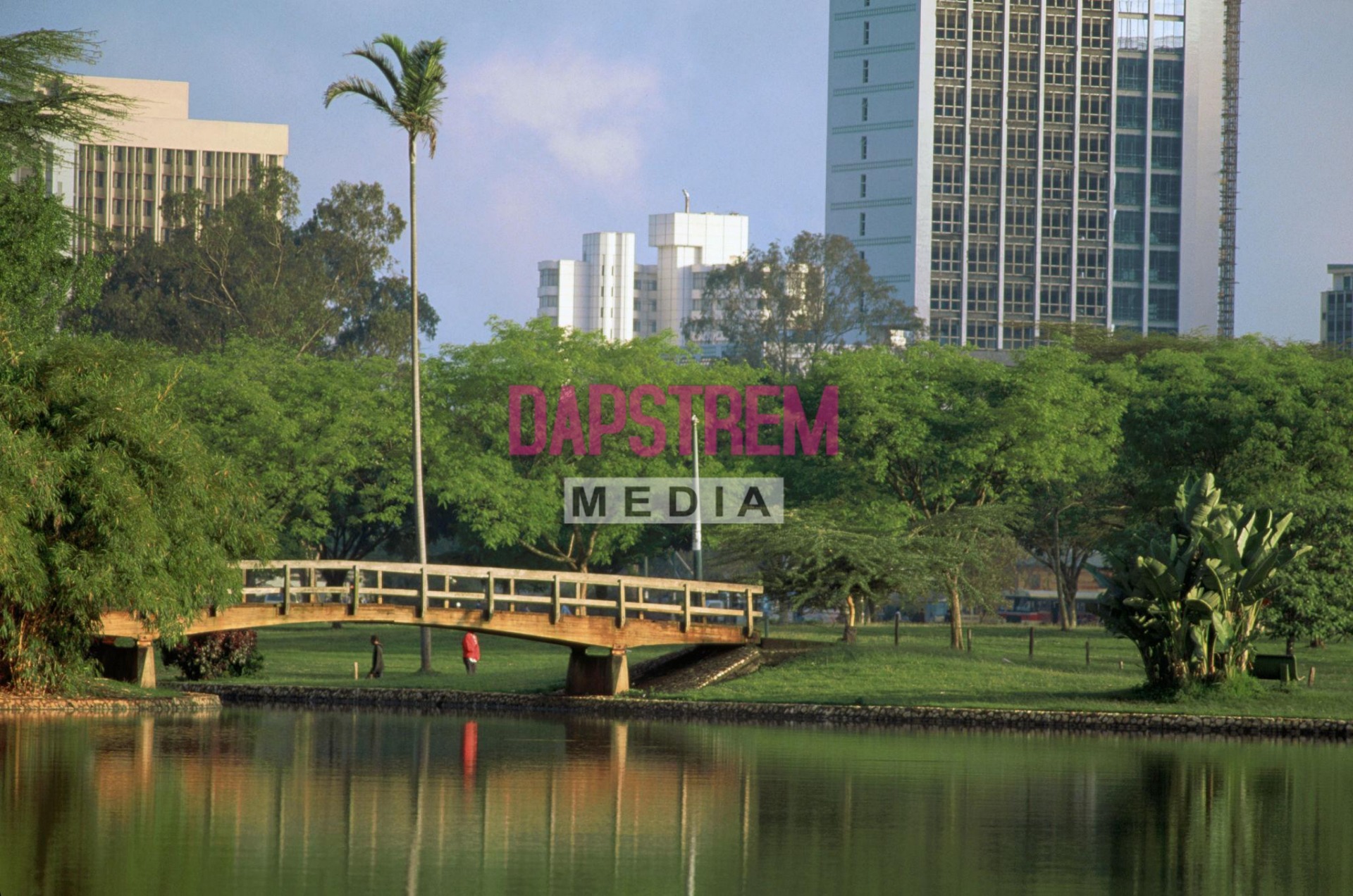
The proposed cremation facility has sparked debate over the appropriate use of City Park, which serves as an important recreational and environmental resource for Nairobi residents. The park provides a natural environment where members of the public can relax, exercise, enjoy outdoor activities and escape the congestion associated with life in the city.
For the Green Belt Movement, the issue goes beyond the construction of a single facility. It raises broader questions about how Nairobi manages its public green spaces, balances competing land-use interests and protects natural resources as the city continues to expand.
The organisation’s opposition reflects concerns that establishing a crematorium within the park could interfere with its ecological character and undermine efforts to conserve urban green spaces. It also highlights the importance of involving environmental organisations, neighbouring communities and other stakeholders before implementing projects that could significantly change the use of public land.
City Park occupies an important place in Nairobi’s environmental landscape. At a time when urban development, population growth and infrastructure expansion are putting increasing pressure on available green spaces, proposals involving public parks are likely to attract considerable public scrutiny.
The debate has therefore extended beyond whether Nairobi needs additional cremation facilities to whether City Park is an appropriate location for such a development.
Why the Green Belt Movement Is Rejecting the Proposed Crematorium
In a statement issued on Tuesday, November 17, 2026, the Green Belt Movement called on Nairobi Governor Johnson Sakaja and the Nairobi City County Government to abandon the proposal.
The organisation argued that Nairobi is already struggling to protect its remaining green spaces, making it inappropriate to consider establishing a cremation facility within or near a public park with significant ecological, historical, cultural and recreational importance.
The movement maintained that City Park should not be treated as vacant land available for new infrastructure projects but as an important environmental resource that requires long-term protection.
It further warned that Nairobi’s remaining green spaces are facing increasing pressure from competing development interests, encroachment and inadequate environmental protection.
The organisation cited statistics from the Kenya National Bureau of Statistics indicating that Nairobi County has approximately 5,506 hectares of forest area, representing just 7.8 per cent of its total land area.
According to the movement, the limited forest cover makes the protection of every remaining green space increasingly important.
The group argued that losing even a small section of City Park to additional infrastructure could have lasting consequences for the city’s environmental conservation efforts.
It also questioned the description of the proposed facility as a green crematorium, insisting that environmental claims must be supported by scientific evidence rather than promotional language.
The organisation argued that describing a project as environmentally friendly does not automatically make it sustainable.
It wants the county government to provide transparent information about the proposed facility’s emissions, air quality implications, environmental performance and suitability of the proposed location.
The movement specifically raised concerns about the possibility of pollutants being released during cremation and the wider environmental effects of operating such a facility within a sensitive ecological area.
It maintained that modern technology and the use of electricity do not automatically eliminate environmental risks.
The organisation also pointed out that a crematorium would require more than the installation of a furnace. Its development would involve additional buildings, access roads, parking facilities, utilities and other supporting infrastructure.
Such developments could take up land currently occupied by trees and other vegetation while interfering with wildlife habitats and public access.
The Green Belt Movement therefore wants the county to reconsider the proposal and prioritise the conservation and restoration of City Park rather than introducing developments that could permanently alter its character.
How the Crematorium Proposal Started
The controversy surrounding the proposed facility emerged after a petition seeking the establishment of a modern crematorium was presented to the Nairobi City County Assembly.
The proposal was championed by Karura Ward Member of County Assembly (MCA) Thuo Fiunifiu, who argued that Nairobi needed additional options for disposing of human remains as the city continues to experience rapid population growth and urbanisation.
On August 13, 2026, the County Assembly adopted a motion directing the county executive to undertake a feasibility study and conduct public consultations on the proposed development.
The proposal identified an area near the Joseph and Sheila Murumbi Memorial Park and the Goan Cemetery within City Park as a possible location for the facility.
The proposed crematorium would be modern and electricity-powered, with its supporters arguing that it could provide residents with an alternative to traditional burial arrangements.
The proponents have also pointed to the increasing pressure on available burial land in Nairobi, particularly at Lang’ata Cemetery, which has faced capacity challenges for many years.
Fiunifiu has argued that cremation offers families another dignified way of laying their loved ones to rest while reducing the demand for additional burial land.
The proposal is also intended to provide an alternative for families who face the financial burden of transporting bodies to rural homes for burial.
However, the adoption of the motion did not amount to approval for immediate construction.
Instead, the County Assembly directed the executive to undertake consultations, examine the project’s feasibility and present its findings for further consideration.
This distinction has become important in the ongoing debate because environmental organisations and residents want the county to abandon the proposed location before further resources are committed to the project.
Fiunifiu has maintained that the county is seeking public views and that the decision should be informed by the outcome of the consultation process.
The county has also indicated that views collected from residents and stakeholders will be compiled into a report for consideration by the County Assembly.
The process has consequently placed public participation at the centre of the dispute, with residents and conservation organisations insisting that their concerns must influence the final decision.
Kenyans+2
City Park’s Environmental and Historical Importance
City Park is among Nairobi’s important public green spaces, providing an environment for recreation, environmental conservation and the preservation of historical heritage.
The park has served generations of Nairobi residents who visit to enjoy nature, take walks, relax and spend time away from the busy urban environment.
Its trees and vegetation contribute to the city’s natural ecosystem by providing habitats for different species of birds, insects, monkeys and other wildlife.
The park is also associated with important historical and memorial sites, making its preservation a matter of cultural heritage as well as environmental protection.
City Park was established as an urban park in 1923, and conservation groups have consistently campaigned for its protection against encroachment and inappropriate development.
In 2009, approximately 60 hectares of the park were declared a National Monument under Kenya’s heritage protection framework.
The protected area includes the Joseph and Sheila Murumbi Memorial, as well as the Commonwealth and Goan cemeteries.
The Murumbi Memorial is particularly significant because it preserves the memory of Joseph Murumbi, Kenya’s first and only African Vice-President, and his wife Sheila.
The historical importance of the location has strengthened opposition to proposals that could change its existing character.
Friends of City Park, another conservation organisation, has argued that the proposed crematorium site falls within the protected monument area.
The organisation has also warned that the project could threaten some of the park’s biodiversity, citing approximately 997 unique species of flora and fauna.
According to conservation advocates, City Park provides habitats for plants, insects, butterflies, birds and monkeys, some of which are difficult to find elsewhere in Nairobi.
Their concern is that introducing additional infrastructure could gradually reduce the available natural habitat and interfere with the ecological balance that supports these species.
The groups also argue that Nairobi is losing valuable green spaces as development pressures increase.
For a city experiencing rapid urbanisation, protecting existing parks is particularly important because replacing natural ecosystems after they have been destroyed can be difficult and expensive.
City Park therefore represents more than an ordinary recreational facility. It is an environmental resource, a historical landmark and a public space that serves different generations of Nairobi residents.
The Green Belt Movement believes that these benefits should take priority when the county considers proposals that could change how the land is used.
The Star+2
Existing Crematoriums Raise Questions About the Need for Another Facility
Another major argument raised by the Green Belt Movement concerns the availability of existing cremation facilities in Nairobi.
The organisation maintains that the county should first establish whether the existing facilities can accommodate additional demand before considering the establishment of another crematorium within City Park.
Nairobi already has cremation facilities at Kariokor and Lang’ata, although their operational capacity and condition have become subjects of debate.
According to Friends of City Park, the Kariokor crematorium is currently underutilised and could accommodate additional incinerators if demand increases.
The organisation has also called on the county government to consider rehabilitating the Lang’ata facility rather than committing public resources to establishing a new one.
Conservation groups believe that improving existing infrastructure would be a more appropriate approach because it would address the demand for cremation services without putting additional pressure on public green spaces.
They have questioned why the county would consider using valuable parkland when other potential locations and existing facilities could be explored.
The groups also want the county to establish the actual demand for cremation services in Nairobi and determine whether the current facilities are sufficient.
This argument has introduced an important economic dimension to the debate, particularly concerning the responsible use of public resources.
The county government must demonstrate that a new facility is necessary, financially viable and environmentally appropriate before proceeding with any development.
The debate is also taking place against the background of previous attempts to establish additional cremation infrastructure.
During the 2021/2022 financial year, the former Nairobi Metropolitan Services allocated approximately KSh45 million towards a proposed crematorium at Lang’ata Cemetery. However, the project was not delivered.
Conservation advocates have argued that resources should instead be directed towards improving existing facilities and restoring City Park.
The question facing Nairobi County is therefore whether a new crematorium is genuinely necessary and whether the proposed location offers sufficient advantages to justify the environmental and financial concerns raised by stakeholders.
The Star+2
Residents and Conservation Groups Reject the Proposed Location
Opposition to the proposed crematorium has extended beyond the Green Belt Movement, with several organisations and members of the public expressing concerns about its potential impact on City Park.
During a public consultation held on November 13, approximately 80 members of the public rejected the proposal to establish the facility within the park.
Participants questioned the suitability of the proposed location and called on the county government to abandon the plan.
Representatives of Friends of City Park argued that the development would interfere with the park’s recreational, environmental and historical importance.
They also questioned why the county was considering the project without first providing sufficient information about its proponents, environmental implications and the availability of alternative sites.
Some participants argued that the county should concentrate on fencing, restoring and protecting the park instead of introducing additional infrastructure.
The public consultation also attracted concerns from organisations representing residents and other community interests.
Margaret Mwaura of the Children’s Environmental Rescue Organisation warned that the proposal could interfere with children’s access to a safe and healthy environment.
She described City Park as an important free recreational space where children can interact with nature, participate in outdoor learning activities and enjoy a clean environment.
The organisation regularly organises activities that allow children to experience nature, and its representatives fear that introducing a crematorium could undermine the park’s suitability for such activities.
Other residents also questioned the potential effects of increased traffic, additional infrastructure and activities associated with operating a cremation facility.
The discussions demonstrated that opposition to the proposal is not necessarily opposition to cremation itself, but rather concerns about whether City Park is an appropriate location.
Several conservation advocates have emphasised that families should have the freedom to choose dignified funeral arrangements, including cremation, while insisting that such services should be developed in locations that do not threaten important public spaces.
The consultation has therefore become an important test of public participation, with residents demanding that their views receive meaningful consideration before the county makes a final decision.
The Star+2
What Happens Next as Pressure Mounts on Nairobi County?
The growing opposition has placed Governor Johnson Sakaja’s administration under pressure to reconsider the proposed crematorium and clarify the county government’s position.
The Green Belt Movement has called on the county government and the County Assembly to reject City Park as the proposed location.
It has also demanded the disclosure of the exact parcel of land being considered, alongside comprehensive details about the proposed development.
The organisation wants the county to assess the capacity of existing cremation facilities, investigate alternative locations and prioritise the restoration of City Park.
It has further insisted that no irreversible action should be taken without meaningful public participation and compliance with environmental, planning and heritage protection requirements.
These demands raise important questions about the responsibilities of county governments when managing public land.
Under Kenya’s Constitution, public participation is a fundamental principle of governance, meaning that citizens should have meaningful opportunities to influence decisions affecting their communities.
Environmental assessments and relevant planning approvals are also important safeguards when proposed developments could affect sensitive ecosystems and public spaces.
The county government will therefore need to demonstrate that the concerns raised by conservation organisations and residents have been properly considered.
The County Assembly is expected to receive a report containing views collected during the consultation process to guide further deliberations.
The final decision will determine whether the proposal proceeds to further assessment, is relocated to another site or is abandoned altogether.
For the Green Belt Movement and other conservation advocates, the preferred outcome is clear: City Park should remain protected for recreation, biodiversity conservation and historical preservation.
The controversy also highlights a broader challenge facing Nairobi as the capital continues to expand. Development projects are increasingly competing for limited land, while the city’s existing green spaces remain essential to environmental sustainability and the well-being of residents.
Finding a balance between infrastructure development and environmental protection will require careful planning, transparency and responsible leadership.
Ultimately, the debate surrounding the proposed crematorium is about more than the construction of a funeral facility. It is about determining how Nairobi values its remaining public spaces and whether future development will protect or gradually diminish the natural and historical resources that make the city unique.
As pressure mounts on the county government, residents and environmental organisations will be watching closely to see whether their concerns influence the final decision.
For now, the Green Belt Movement has made its position clear: Nairobi needs to protect and restore City Park rather than introduce a development that could compromise one of its remaining important green spaces.