Trump Calls Ukraine’s Renewed Strikes on Russian Oil Refineries a ‘Disgrace’ as Energy Truce Collapses
United States President Donald Trump has criticised Ukraine’s renewed attacks on Russian oil refineries, describing the strikes as a “disgrace” and accusing Kyiv of contributing to higher global oil prices. His remarks have intensified tensions between Washington and Kyiv as diplomatic efforts to end Russia’s war against Ukraine face renewed challenges.
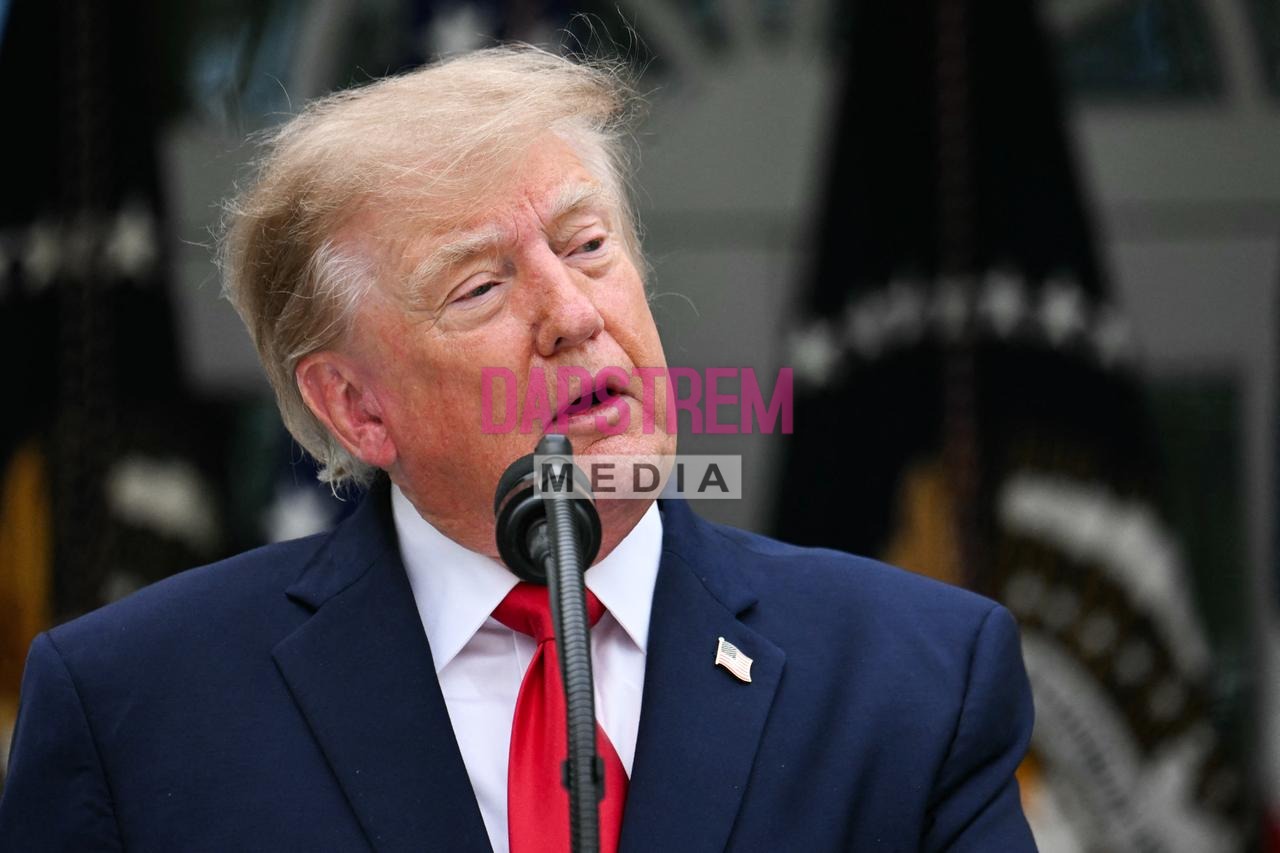
Trump made the comments in an interview with Newsmax that aired on Thursday, October 15, 2026. He argued that attacking Russian facilities responsible for producing diesel fuel was harmful to the international energy market, insisting that the world depends on reliable supplies of petroleum products.
“There are a lot of targets you can hit, but when you shoot at diesel refineries where you make, you know, diesel oil, and we need that, and the world needs that, then he’s not doing a good service for the world,” Trump said, according to reports of the interview.
He added that Ukraine’s actions were pushing global oil prices higher, describing the renewed strikes as a disgrace. The remarks followed a Ukrainian attack on a Russian oil refinery operated by Rosneft southeast of Moscow, after Ukrainian President Volodymyr Zelenskyy announced that Kyiv was abandoning a temporary arrangement to suspend attacks on energy facilities.
The dispute has exposed a growing disagreement between the Trump administration and the Ukrainian leadership over how to pursue an end to the war, which began with Russia’s full-scale invasion of Ukraine in February 2022.
While Washington has sought to reduce pressure on energy markets and advance diplomatic negotiations, Kyiv maintains that suspending attacks on Russian energy infrastructure is difficult when Russian forces continue striking Ukraine’s own power facilities.
The latest developments have also raised questions about the future of American support for Ukraine, the effectiveness of temporary ceasefire arrangements and the wider economic consequences of continued attacks on energy infrastructure.
How the Energy Truce Collapsed
The latest dispute followed Trump’s announcement on October 11 that Russia and Ukraine had agreed to halt attacks on each other’s energy infrastructure.
The announcement was presented as an effort to reduce damage to essential facilities and create conditions that could support broader diplomatic progress. However, the arrangement quickly encountered difficulties, with neither Moscow nor Kyiv publicly confirming that they had formally agreed to the ceasefire as Trump described it.
Ukraine subsequently reported continued Russian attacks against its energy infrastructure, including facilities responsible for electricity generation and supply. These attacks left hundreds of thousands of people without power, according to reporting on the developments.
For Kyiv, the continued attacks undermined the basis for maintaining a one-sided suspension of strikes. Ukrainian officials argued that an arrangement intended to protect energy infrastructure could not work effectively if Russia continued targeting facilities inside Ukraine.
Zelenskyy therefore announced that Ukraine would no longer maintain the temporary pause in attacks on Russian energy targets.
Ukraine then resumed strikes on Russian oil infrastructure, including a refinery in the Ryazan region. The facility is among the energy installations that have come under Ukrainian attack as Kyiv seeks to disrupt the systems that support Russia’s fuel production and military operations.
The sequence of events has complicated Trump’s efforts to present an energy truce as a step towards ending the wider conflict. Instead of establishing a lasting pause, the announcement was followed by renewed accusations, continuing attacks and disagreements over which side was responsible for undermining the arrangement.
The episode also illustrates the difficulties of negotiating temporary ceasefires when the parties disagree about their terms, implementation and verification. Without a clearly accepted framework and mechanisms for monitoring compliance, even a limited agreement can quickly become a source of further confrontation.
Trump Renews Criticism of Zelenskyy
Alongside his criticism of the refinery attacks, Trump renewed his negative assessment of Zelenskyy, saying he found the Ukrainian president more difficult to negotiate with than Russian President Vladimir Putin.
Trump said he believed both leaders wanted the war to end but suggested that working with Zelenskyy had proved particularly challenging.
The remarks add to an increasingly strained relationship between the US president and his Ukrainian counterpart. Their disagreement centres on the conditions for ending the war, the role of economic pressure on Russia and whether Ukraine should accept arrangements that could limit its military options.
For Trump, reducing attacks on oil refineries is connected to his broader objective of lowering energy prices and creating conditions for a negotiated settlement. He has argued that disruptions to fuel production can affect supplies and contribute to higher costs for consumers and businesses.
For Zelenskyy, however, the question is not simply whether attacks on Russian refineries affect international markets. Ukraine also considers Russian energy facilities important to the infrastructure supporting Moscow’s war effort.
Kyiv’s position is that Russia should not be able to continue attacking Ukrainian power stations and other critical infrastructure while expecting Ukraine to refrain from striking comparable targets inside Russian territory.
This disagreement reflects a broader challenge facing diplomatic efforts to end the conflict: the two sides have fundamentally different views about what constitutes an acceptable compromise and what concessions are necessary before a ceasefire can become sustainable.
Trump’s latest comments are therefore significant not only because of his criticism of a specific military operation, but also because they reveal the difficulty of maintaining a common approach between Washington and Kyiv.
Why Ukraine Is Targeting Russian Oil Refineries
Oil refineries are important components of Russia’s energy system because they process crude oil into products such as diesel, petrol and other fuels used by transport networks, industries and military logistics.
Disrupting refinery operations can reduce the availability of refined petroleum products, complicate distribution and increase the costs associated with maintaining normal supplies. Damage to major facilities can also require costly repairs and interrupt production.
Ukraine has increasingly used long-range drones to strike targets inside Russia as part of its effort to weaken Moscow’s capacity to sustain the invasion. Russian oil facilities have featured among the targets of these operations.
The strategy is intended to place pressure on Russia beyond the battlefield, including by disrupting revenue-generating activities and the supply chains that support military operations.
However, the impact of an individual strike varies according to the facility targeted, the extent of damage, available storage, alternative supply routes and the speed with which repairs can be completed. An attack does not necessarily mean that an entire refinery has stopped operating or that fuel supplies will immediately collapse.
Russia also has options for redirecting supplies, drawing on inventories and adjusting production or distribution. Consequently, the overall effect of Ukrainian attacks depends on the scale and frequency of the strikes and the resilience of Russia’s energy network.
For Kyiv, the operations are part of a wider effort to impose costs on Russia for continuing the war. For Moscow, the attacks represent a threat to domestic infrastructure and energy production.
Trump’s objection, meanwhile, highlights another dimension of the conflict: the possibility that disruptions to major oil and fuel facilities could affect markets beyond Russia and Ukraine.
The disagreement demonstrates how military strategies designed to weaken an opponent can have consequences for international commerce, energy security and diplomatic relations.
Global Oil Prices and the Importance of Diesel
Trump’s warning about higher global oil prices has placed the energy market at the centre of the latest dispute.
Oil remains a strategically important commodity, and developments affecting major producers, refineries, transport routes and export networks can influence market expectations. Even when the physical impact of an attack is limited, uncertainty over future supply can affect how traders and businesses assess prices.
Diesel is particularly important because it powers freight trucks, agricultural machinery, construction equipment, buses and many industrial operations. It is also widely used in generators and other equipment where reliable electricity supplies are unavailable.
A sustained disruption to diesel production can increase costs for businesses that depend on the fuel. Transport companies may face higher operating expenses, farmers may pay more to run machinery, and manufacturers may encounter rising costs for moving raw materials and finished products.
Such pressures can eventually affect consumer prices if businesses pass higher expenses on to customers.
Nevertheless, the relationship between an individual refinery strike and global oil prices is not automatic. Prices are influenced by several factors, including overall supply and demand, production decisions by major oil-producing countries, inventories, shipping costs, sanctions, geopolitical risks and expectations about future economic activity.
It would therefore be premature to attribute every increase in global fuel prices to Ukraine’s attacks without examining broader market evidence.
Trump’s comments reflect his concern that renewed attacks could add to uncertainty in the energy market at a time when his administration is pursuing measures intended to ease fuel costs.
The disagreement also reveals a potential conflict between short-term economic objectives and the military calculations of countries involved in the war. Washington is concerned about fuel affordability and international market stability, while Kyiv argues that weakening Russia’s capacity to sustain its invasion remains a security priority.
Russia’s Continued Attacks on Ukraine’s Energy Infrastructure
Ukraine’s decision to abandon the temporary energy truce was closely connected to its allegations that Russia had continued attacking Ukrainian infrastructure.
Russian missile and drone strikes have repeatedly threatened electricity generation, transmission systems and other essential facilities during the war. Damage to these systems can interrupt electricity supplies, affect water and heating services, disrupt businesses and leave communities vulnerable.
The consequences become especially serious as Ukraine prepares for winter, when households and public institutions depend more heavily on reliable electricity and heating.
Power outages can affect hospitals, schools, transport services and industrial production. They can also force families to seek alternative sources of heat and electricity, often at additional expense.
Zelenskyy’s government has consequently argued that protecting Ukraine’s energy infrastructure must form part of any meaningful ceasefire arrangement.
Kyiv has also stressed the need for additional air-defence capabilities, funding and other assistance as it prepares for continued Russian attacks. Zelenskyy reiterated the importance of these needs during meetings with European leaders in Brussels on October 16.
The Ukrainian position presents a challenge for international mediators seeking to establish a limited ceasefire. If one side believes it is continuing to absorb attacks while the other is expected to suspend its operations, confidence in the arrangement can quickly deteriorate.
For this reason, a durable agreement would likely require clearly defined commitments, credible monitoring and a process for addressing alleged violations.
Without those safeguards, temporary pauses risk becoming short-lived political announcements rather than arrangements capable of reducing harm to civilians and essential infrastructure.
The Wider Diplomatic Consequences
The collapse of the energy truce comes at a difficult moment for international efforts to end the war.
Trump has repeatedly presented diplomacy as a route to stopping the fighting, but his latest criticism of Zelenskyy highlights the divisions that continue to complicate negotiations.
The United States remains an important actor because of its diplomatic influence and its role in providing support to Ukraine. Any significant change in Washington’s approach could affect Kyiv’s military planning and the broader balance of international pressure on Moscow.
At the same time, European governments have continued to express support for Ukraine as Russian attacks persist. European leaders were preparing to rally around Zelenskyy at a summit in Brussels on October 16, amid concerns about the future of American assistance and the deteriorating security situation.
The diplomatic challenge is to find a settlement that can reduce the fighting without creating incentives for either side to disregard its commitments.
Ukraine wants guarantees that Russia will not use a pause to continue attacking its infrastructure or prepare for further military operations. Russia has its own demands and strategic objectives, while Washington is seeking a route towards negotiations and lower energy-market pressures.
These competing priorities make even a limited agreement difficult to sustain.
Trump’s criticism may increase pressure on Kyiv to reconsider its military approach, but it does not by itself resolve the central dispute over reciprocal compliance. If Ukraine believes Russia has violated the terms of a proposed arrangement, diplomatic pressure alone may not persuade it to continue observing the pause.
Conversely, continued Ukrainian strikes on Russian energy facilities could further strain relations with Washington and complicate efforts to establish a broader ceasefire.
The developments therefore underline the importance of negotiations that address not only the announcement of a ceasefire, but also how it will be implemented, monitored and enforced.
What the Latest Dispute Means for the War
The renewed attacks and Trump’s reaction are unlikely to resolve the conflict on their own. Instead, they illustrate how military operations, energy markets and international diplomacy have become closely connected.
For Russia, protecting oil refineries and maintaining fuel production are important economic and strategic priorities. For Ukraine, striking those facilities is one way of placing pressure on a larger adversary with substantial military and industrial resources.
For the United States, the immediate concern includes the potential effect of energy disruptions on fuel prices, alongside the wider objective of bringing the war to an end. European governments, meanwhile, must balance support for Ukraine with concerns about regional security, energy costs and the possibility of further escalation.
The coming days will be important in determining whether diplomatic channels can restore some form of energy restraint or whether the collapse of the temporary truce will lead to further attacks.
Attention will also remain on the response from Moscow, the condition of the targeted refinery, developments in global oil markets and the extent to which Washington continues to pressure Kyiv over its military operations.
Any assessment of the next phase of the conflict will need to distinguish between political statements, confirmed military developments and measurable changes in energy production or prices.
For now, Trump’s description of Ukraine’s renewed refinery strikes as a “disgrace” has exposed a sharp disagreement between the US president and the Ukrainian leadership over how the war should be fought and brought to an end.
The immediate dispute concerns oil refineries and diesel supplies, but the underlying issues are much broader: Ukraine’s right to defend itself, Russia’s continuing invasion, the conditions required for a credible ceasefire and the international economic consequences of prolonged warfare.
Ultimately, the collapse of the energy truce demonstrates that ending attacks on critical infrastructure requires more than a public announcement. It requires both sides to accept clear terms, demonstrate compliance and establish confidence that restraint will be reciprocal.
Until such an arrangement can be achieved, Russia’s energy facilities and Ukraine’s power infrastructure are likely to remain central to the military and diplomatic struggle, with consequences extending far beyond the battlefield.