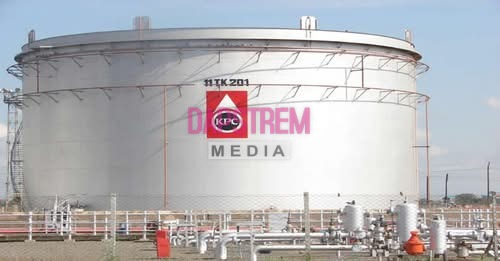
Kenya Pipeline Company Records Sh11.58 Billion Profit Despite Rising Operating Costs as Higher Fuel Transportation Volumes Boost Revenue and Strengthen Its Financial Position.
Kenya Pipeline Company (KPC) has reported a 13 per cent increase in annual net profit to Sh11.58 billion, demonstrating its ability to grow earnings despite rising operating expenses and higher costs associated with maintaining its petroleum transportation infrastructure.
The company’s audited financial results for the financial year ended June 30, 2026, show that profit after tax increased from Sh10.24 billion recorded in the previous financial year. Revenue also grew by approximately nine per cent to Sh42.98 billion, up from Sh39.50 billion, supported by increased petroleum transportation volumes and stronger business performance.
The results mark an important milestone for KPC as it begins a new chapter following its listing on the Nairobi Securities Exchange (NSE) earlier in 2026. The company is now operating under increased public market scrutiny, with investors and other stakeholders expected to pay closer attention to its financial performance, governance and long-term growth strategy.
Despite rising expenses, the company managed to increase its earnings, strengthen its financial position and generate more cash. Its performance highlights the importance of efficient operations, reliable infrastructure and growing demand for petroleum transportation services in Kenya and neighbouring countries.
The company’s board has also recommended a Sh5.9 billion dividend payout, offering shareholders an opportunity to benefit from the improved financial performance, subject to the required approvals.
Revenue Growth Drives Higher Earnings
KPC’s improved profitability was supported by growth in revenue from its core petroleum transportation business. The company operates infrastructure used to transport and store petroleum products for the Kenyan market and regional destinations.
Revenue rose from Sh39.50 billion in the 2024/25 financial year to Sh42.98 billion in 2025/26. The increase reflects higher volumes of petroleum products moving through the company’s network, including fuel destined for local consumption and transit markets.
According to the reported results, local and transit petroleum volumes increased by seven per cent during the financial year. This growth supported the company’s transportation revenue, which climbed to approximately Sh41.82 billion from Sh38.59 billion in the previous year.
The figures demonstrate how changes in the volume of fuel transported through KPC’s infrastructure can influence its financial performance. As more petroleum products move through the network, the company can generate additional transportation revenue, provided it maintains operational reliability and manages its costs effectively.
Kenya’s position as a regional transportation and commercial centre also makes petroleum infrastructure an important component of the wider economy. Fuel imported through the country supports transport, manufacturing, agriculture, aviation and other economic activities. Pipeline infrastructure helps move these products towards storage facilities, distribution networks and regional markets.
KPC’s performance is therefore closely linked to the demand for petroleum products and the efficiency with which the company delivers its services.
The increase in revenue also suggests that the company maintained its capacity to generate income from its established business despite pressures in the wider energy market. However, continued growth will depend on future petroleum demand, infrastructure reliability, competition from alternative transportation methods and developments in regional fuel distribution.
Higher Operating Costs Put Pressure on the Company
Although revenue increased, KPC faced higher costs during the financial year. Direct costs rose by approximately eight per cent to Sh9.16 billion from Sh8.44 billion in the previous year.
The company attributed the increase mainly to higher maintenance and electricity expenses.
Maintaining an extensive pipeline network requires regular inspections, repairs, equipment servicing and investments in safety systems. These activities are necessary to protect infrastructure, reduce the risk of interruptions and ensure petroleum products reach their intended destinations.
Electricity is also an important operating expense for infrastructure businesses that rely on pumping systems and other equipment to move products efficiently. Changes in electricity prices and the amount of energy required to transport petroleum can therefore affect operating costs.
For KPC, the challenge is to control these expenses without compromising safety, reliability or the quality of services offered to customers.
Cutting maintenance expenditure too aggressively could create greater risks in the long term. Pipeline infrastructure requires continuous attention, and delayed repairs can increase the likelihood of equipment failures, service interruptions and more expensive corrective work.
The company must consequently balance cost management with the need to preserve its assets and maintain a reliable petroleum transportation system.
Despite the increase in direct costs, KPC recorded stronger earnings. Gross profit rose to approximately Sh33.81 billion from Sh31.06 billion, indicating that revenue growth was sufficient to offset the additional direct expenses.
Operating expenses also increased more slowly than revenue, helping the company improve its overall earnings performance. Reported operating expenses stood at approximately Sh8.86 billion, while earnings before interest, taxes, depreciation and amortisation rose to Sh24.95 billion from Sh22.55 billion.
The improvement suggests that KPC generated more operating earnings from its expanding business, even as the cost of maintaining and running its infrastructure increased.
KPC Recommends Sh5.9 Billion Dividend for Shareholders
One of the major developments accompanying the financial results is the board’s recommendation to distribute Sh5.9 billion to shareholders.
The proposed first and final dividend amounts to Sh0.32 per share and remains subject to the necessary approval process. According to reports on the results, shareholders appearing on the company’s register at the close of business on November 30, 2026, are expected to qualify for the payment if the proposal is approved.
The recommendation comes as KPC establishes itself as a listed company following its transition to the Nairobi Securities Exchange.
For investors, dividends provide a direct financial return from a company’s earnings. The proposed payout also indicates that the board considers the company capable of returning part of its earnings to shareholders while continuing to operate and invest in its business.
However, a dividend decision must be considered alongside the company’s future financial obligations. Pipeline infrastructure requires ongoing maintenance, upgrades and expansion to meet changing demand. KPC must therefore balance shareholder returns against the need to preserve sufficient funds for capital expenditure and other operational priorities.
A sustainable dividend policy should allow the company to reward investors without weakening its ability to maintain its infrastructure, manage unexpected costs or finance commercially viable projects.
The proposed distribution will also attract attention because KPC’s ownership structure has changed following its listing. The company’s performance and dividend policy are now relevant not only to the government and other major shareholders but also to investors participating in the public market.
The long-term value of the dividend will ultimately depend on whether KPC can sustain earnings growth while continuing to invest in its core business.
Stronger Cash Position and Financial Stability
Beyond the increase in profit, KPC reported improvements in its financial position, including growth in assets and cash balances.
The company’s total assets increased to approximately Sh149.3 billion by June 30, 2026. The growth was supported by an increase in current assets and investment in property, plant and equipment. Reports on the results also indicated that cash balances increased by approximately 74 per cent during the year.
A stronger cash position can give a company greater flexibility when meeting operating expenses, paying suppliers, servicing obligations and financing planned investments.
For an infrastructure operator such as KPC, maintaining adequate liquidity is particularly important because equipment repairs, energy expenses and other operational requirements must be addressed without unnecessary interruptions.
The company also reported a substantial reduction in borrowings, with outstanding borrowing levels falling by more than 80 per cent, according to the financial results. This points to a stronger balance sheet and potentially lower exposure to financing costs.
Reducing debt can improve financial resilience, particularly when market conditions are uncertain or borrowing costs are high. It can also give management more room to consider future investments without relying excessively on additional loans.
Nevertheless, a strong cash position should be evaluated alongside the company’s planned expenditure and future commitments. Cash reserves are most valuable when they support operational stability, sensible investment and the company’s long-term financial health.
KPC’s challenge will be to preserve the gains achieved during the year while ensuring that spending decisions remain commercially sound.
What the Results Mean for Kenya’s Petroleum Supply Chain
KPC occupies an important position in Kenya’s energy infrastructure because its pipeline network supports the movement of petroleum products from major supply points to storage and distribution facilities.
Reliable transportation is essential to ensuring that fuel reaches businesses, transport operators, distributors and consumers. Interruptions can affect a wide range of economic activities, making maintenance and operational efficiency important beyond the company’s own financial results.
The company’s performance is also relevant to neighbouring countries that depend on regional petroleum supply routes. Transit volumes provide an additional source of business for KPC and reinforce Kenya’s role in regional fuel distribution.
Growth in these markets could support further revenue expansion if the company can accommodate additional demand and maintain dependable service. However, regional growth will require careful planning, sufficient infrastructure capacity and continued attention to operational risks.
The company must also remain alert to changes in global petroleum markets. International prices, supply disruptions, geopolitical tensions, shipping conditions and currency movements can influence the wider fuel sector, even when a pipeline operator does not directly control all these factors.
Higher transportation volumes may support revenue, but they do not eliminate the need for disciplined financial management.
For Kenya, the broader question is whether KPC can translate its improved profitability into a more resilient and efficient petroleum transportation system. Strong earnings can help support infrastructure investment, provided the company allocates its resources responsibly.
KPC’s Growth Plans and the Road Ahead
KPC’s latest results arrive as the company pursues opportunities to expand its business and increase revenue over the coming years.
Reports on its financial performance indicate that the company is targeting revenue of Sh68 billion by 2030. Reaching that ambition would require continued growth in its core transportation and storage services, alongside careful evaluation of additional commercial opportunities.
The target represents a substantial increase from the Sh42.98 billion recorded in the 2025/26 financial year. Achieving it will depend on a combination of higher business volumes, efficient use of existing infrastructure, investment decisions and the company’s ability to respond to changes in regional energy demand.
KPC may also need to strengthen its operational systems and ensure that its infrastructure can accommodate future growth without compromising reliability or safety.
Any expansion strategy should be guided by clear commercial assessments. New investments can create additional revenue opportunities, but they can also introduce financial and operational risks if demand projections are overly optimistic or project costs are not carefully controlled.
As a newly listed company, KPC will face growing expectations from investors for transparent reporting, sound governance and clear explanations of how management intends to achieve its targets.
Its future performance will therefore be measured not only by annual profit figures but also by the quality of its investment decisions, the reliability of its services and its ability to deliver sustainable returns.
Why the Profit Increase Matters
KPC’s rise in net profit to Sh11.58 billion demonstrates that the company was able to grow earnings during a financial year in which direct operating costs increased.
The improvement was supported by higher revenue, increased petroleum transportation volumes and stronger operating earnings. The company also reported a stronger asset and cash position, while the proposed Sh5.9 billion dividend offers shareholders a potential return on their investment.
However, the results also underline the pressures associated with operating and maintaining critical energy infrastructure. Rising electricity and maintenance expenses remain important considerations, while continued investment will be necessary to preserve the network’s reliability.
The next challenge will be to sustain revenue growth, manage costs and ensure that investments generate lasting value.
For shareholders, the proposed dividend and improved earnings offer encouraging signs, subject to the relevant approvals and the company’s future performance. For Kenya’s petroleum sector, KPC’s financial health remains important because reliable infrastructure supports the movement of fuel across the country and into regional markets.
Ultimately, the company’s success will depend on its ability to convert higher demand and improved financial performance into a dependable, efficient and commercially sustainable business.