Keffe D Sentenced for Tupac Shakur’s Murder
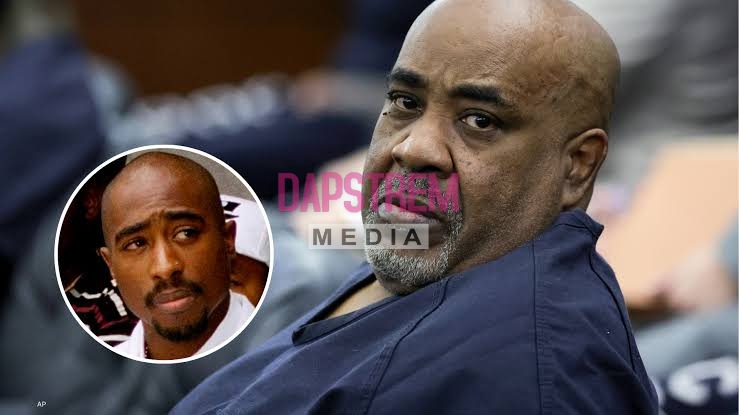
Duane “Keffe D” Davis, the 63-year-old man convicted of orchestrating the 1996 murder of legendary rapper Tupac Shakur, has been sentenced to 40 years to life in prison.
The sentence was delivered on Tuesday, October 13, 2026, by a court in Las Vegas, Nevada, bringing a major development in one of hip-hop’s most closely followed criminal cases.
Davis was convicted of first-degree murder in August 2026 following a trial that examined his alleged role in the fatal shooting. The court imposed consecutive prison terms, meaning the sentences are served one after the other.
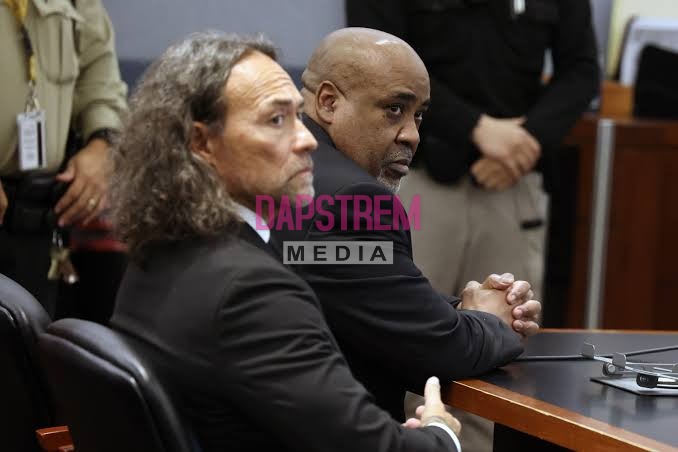
The case remained unresolved for decades after Shakur was shot in Las Vegas, leaving his family, fans and the music industry waiting for a major legal breakthrough.
What Happened to Tupac in 1996?
Tupac Shakur was shot on September 7, 1996, while travelling in a car near the Las Vegas Strip. The attack happened hours after an altercation involving members of Shakur’s entourage and Orlando Anderson, Davis’s nephew.
Shakur was taken for medical treatment but died six days later, aged just 25.
The rapper’s death became one of the most discussed cases in music history. Despite years of investigations and public speculation, authorities did not make an arrest in the murder case until Davis was taken into custody in September 2023.
Anderson had been investigated as a possible shooter but was never arrested in connection with Shakur’s killing. He died in 1998, years before Davis was charged.
How Prosecutors Linked Davis to the Killing
Prosecutors argued that Davis played a leading role in planning the attack and providing a firearm to people in the vehicle from which the shots were fired.
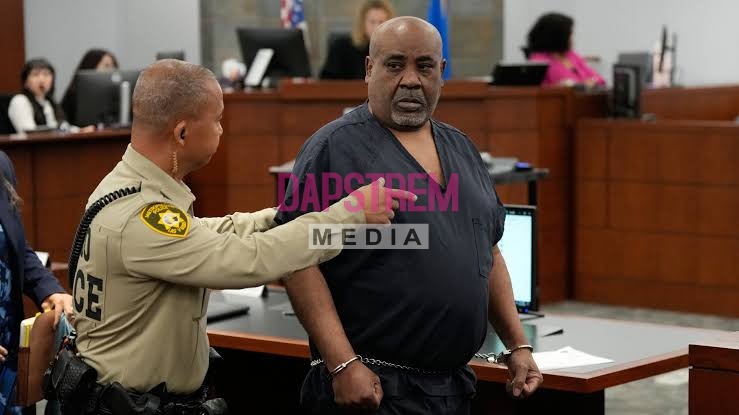
Their case relied heavily on statements Davis had made in interviews, a documentary and his 2019 memoir, Compton Street Legend. In those accounts, he described being inside the white Cadillac involved in the shooting and discussed how the events unfolded.
Prosecutors said the attack was motivated by retaliation following the earlier confrontation involving Anderson and members of Shakur’s group.
Davis’s defence team challenged the prosecution’s account, arguing that his statements were not reliable evidence of guilt and questioning the lack of physical evidence directly connecting him to the shooting.
However, the jury accepted the prosecution’s case and found him guilty of first-degree murder in August 2026.
Although prosecutors described Davis as the person who organised the killing, the identity of the person who fired the fatal shots has remained a separate question in the case.
Davis Maintains His Innocence and Plans Appeal
Davis pleaded not guilty and maintained his innocence throughout the legal proceedings.
Following the sentencing, he indicated that he intended to appeal the conviction, meaning the case could continue through the courts.
His defence had argued that the prosecution relied too heavily on his past statements and that those accounts should not have been treated as sufficient proof of his involvement.
The sentencing judge nevertheless imposed a lengthy prison term, bringing a significant legal chapter in the investigation to a close while leaving the appeal process ahead.
Tupac’s Sister Welcomes the Sentence
Tupac’s sister, Sekyiwa Shakur, addressed the court during the sentencing proceedings, speaking about the lasting impact her brother’s death had on the family.
She welcomed the punishment and called for accountability, describing Tupac as someone whose life and influence extended far beyond his immediate family.
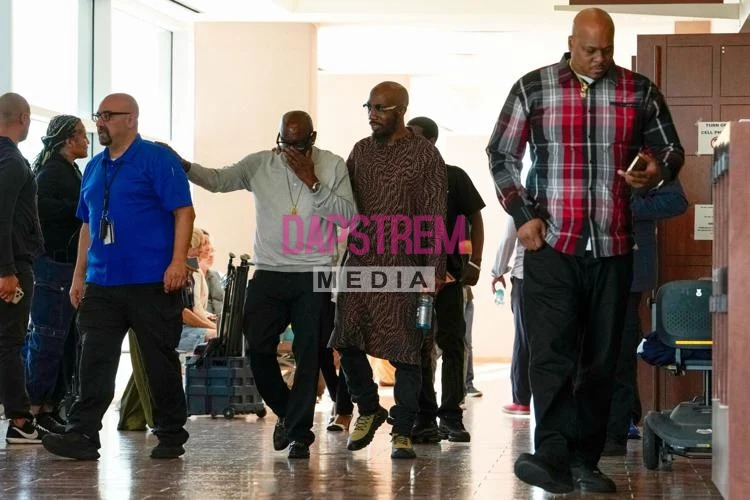
Other members of the Shakur family also spoke about their loss and the long wait for the case to reach this stage.
For the family, the sentence represents a significant moment after nearly three decades of uncertainty. However, the loss of Tupac remains permanent, and the legal outcome cannot restore the life and career cut short in 1996.
Tupac’s Legacy Lives On Nearly 30 Years Later
Tupac remains one of the most influential figures in hip-hop, remembered for his music, acting career and commentary on social inequality, poverty and life in America.
His death became intertwined with the wider tensions surrounding rap music during the 1990s, including rivalries between artists and record labels on the East and West coasts.
The conviction and sentencing of Davis have renewed public attention on the case, which remained unsolved for decades and generated years of speculation.
While Davis’s planned appeal could bring further legal developments, the October 2026 sentence marks a major milestone for Tupac’s family and the investigation.
Nearly 30 years after the rapper’s death at age 25, the case has reached a significant point in court, even as questions about the wider circumstances of the killing continue to attract attention.