Finnerty Addresses Nairobi Controversy Live on Air
American television journalist Rob Finnerty has addressed the controversy surrounding his remarks about Nairobi, apologising during a live broadcast after his earlier written apology failed to satisfy some Kenyans.
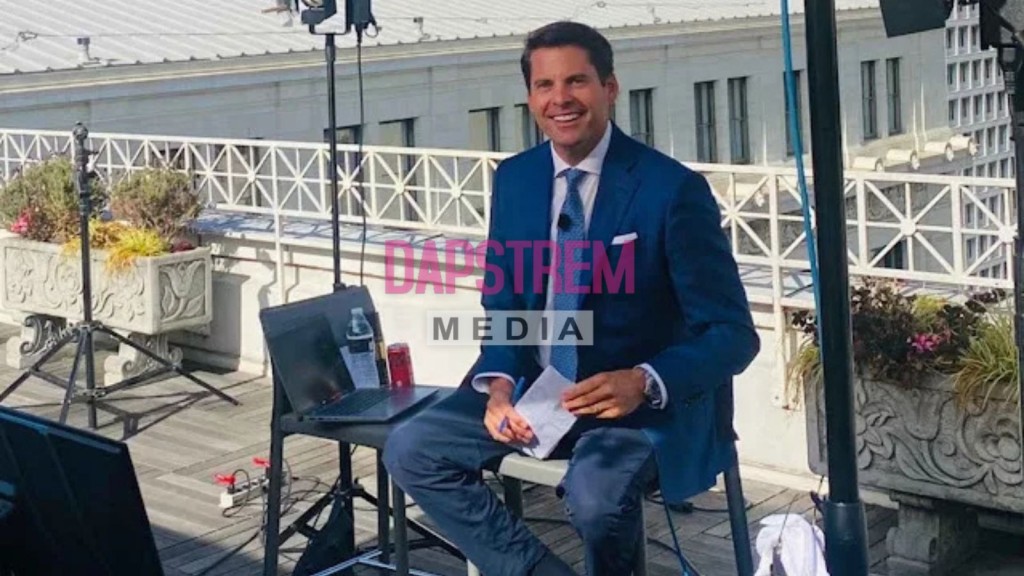
The Newsmax presenter faced criticism after comparing New York City to Nairobi during a discussion about immigration in the United States. His comments triggered widespread reactions online, with Kenyans questioning why their capital had been used as a negative comparison.
Finnerty had initially apologised on social media on Tuesday, October 13, admitting that he had misspoken and expressing regret to anyone he had offended. However, some critics wanted him to return to the same television platform where he made the original remarks and address the issue publicly.
On Wednesday, October 14, he delivered the on-air apology, acknowledging that his comparison had been wrong and recognising the offence caused to Nairobi residents and Kenyans elsewhere.
What Rob Finnerty Said About Nairobi
The controversy began during a Newsmax broadcast on October 9, when Finnerty discussed immigration and changing conditions in American cities.
During the segment, he argued that migration from developing countries had affected some American urban areas. He then said that certain cities were beginning to look more like Nairobi than New York.
The comparison drew criticism from Kenyan viewers, who argued that Nairobi had been unfairly portrayed as a symbol of urban decline.
Some critics also questioned the relevance of Nairobi to the discussion, pointing out that the people interviewed in the segment identified themselves as coming from various countries, but none identified themselves as being from Kenya in the clip described by local media.
The remarks quickly became a topic of discussion on social media, where users shared images of Nairobi’s skyline, commercial districts and modern infrastructure in response.
Why Finnerty’s First Apology Failed to Satisfy Some Kenyans
In his initial statement, Finnerty apologised to the people of Nairobi, praised their passion for their city and homeland, and admitted that he had misspoken.
Although some may have welcomed the statement, other Kenyans argued that a written apology was insufficient because the original comments had been made on television.
Critics called for him to address the matter live on Newsmax, the same platform through which the comparison had reached a wider audience. Their demand focused on accountability and the importance of correcting controversial remarks in the public space where they were made.

The demand for a televised response became a central part of the online debate, with users urging the journalist to acknowledge the impact of his words directly.
Finnerty Admits His Comparison Was Wrong
During his live response on October 14, Finnerty acknowledged that comparing New York to Nairobi had been wrong.
He also recognised that his comments had offended people living in Nairobi and Kenyans around the world. The journalist said broadcasters have a responsibility to speak thoughtfully and respectfully, acknowledging that he had fallen short in this instance.
Finnerty also spoke positively about Nairobi, describing it as a city with growing activity in business, technology, education and tourism. He appealed to Kenyans to forgive him for the offence caused.
His remarks marked a more direct response to the criticism than his earlier social media statement.
However, whether the apology satisfies all those who criticised him remains a matter of individual opinion.
Nairobi Remarks Renew Debate About Africa’s Image
The incident has also renewed discussion about how African cities are represented in international political commentary.
For many critics, the issue was not simply a disagreement over immigration policy in the United States. They objected to Nairobi being used as a negative comparison in a discussion that was primarily about American cities.
The reaction highlighted the importance of discussing immigration and urban challenges without relying on broad stereotypes about particular countries or regions.
Nairobi is Kenya’s capital and an important centre for business, technology, education and tourism. Like other major cities, it faces challenges, but critics argued that these should not be used to dismiss the city or its residents.
What Happens After the Apology?
Finnerty’s live apology followed public pressure from Kenyans who wanted him to address the controversy on television rather than through a written statement alone.
His response has moved the discussion into a new phase, although opinions about the apology may continue to differ.

The episode serves as a reminder that remarks made by international media personalities can quickly reach audiences far beyond their original broadcast and prompt calls for accountability.
For Nairobi residents and other Kenyans who followed the controversy, the key question now is whether the journalist’s acknowledgment and apology adequately address the concerns raised by his original comments.