Pauline Njoroge Appointed Linda Mwananchi Movement Communications Head as Sifuna Strengthens 2027 Presidential Campaign
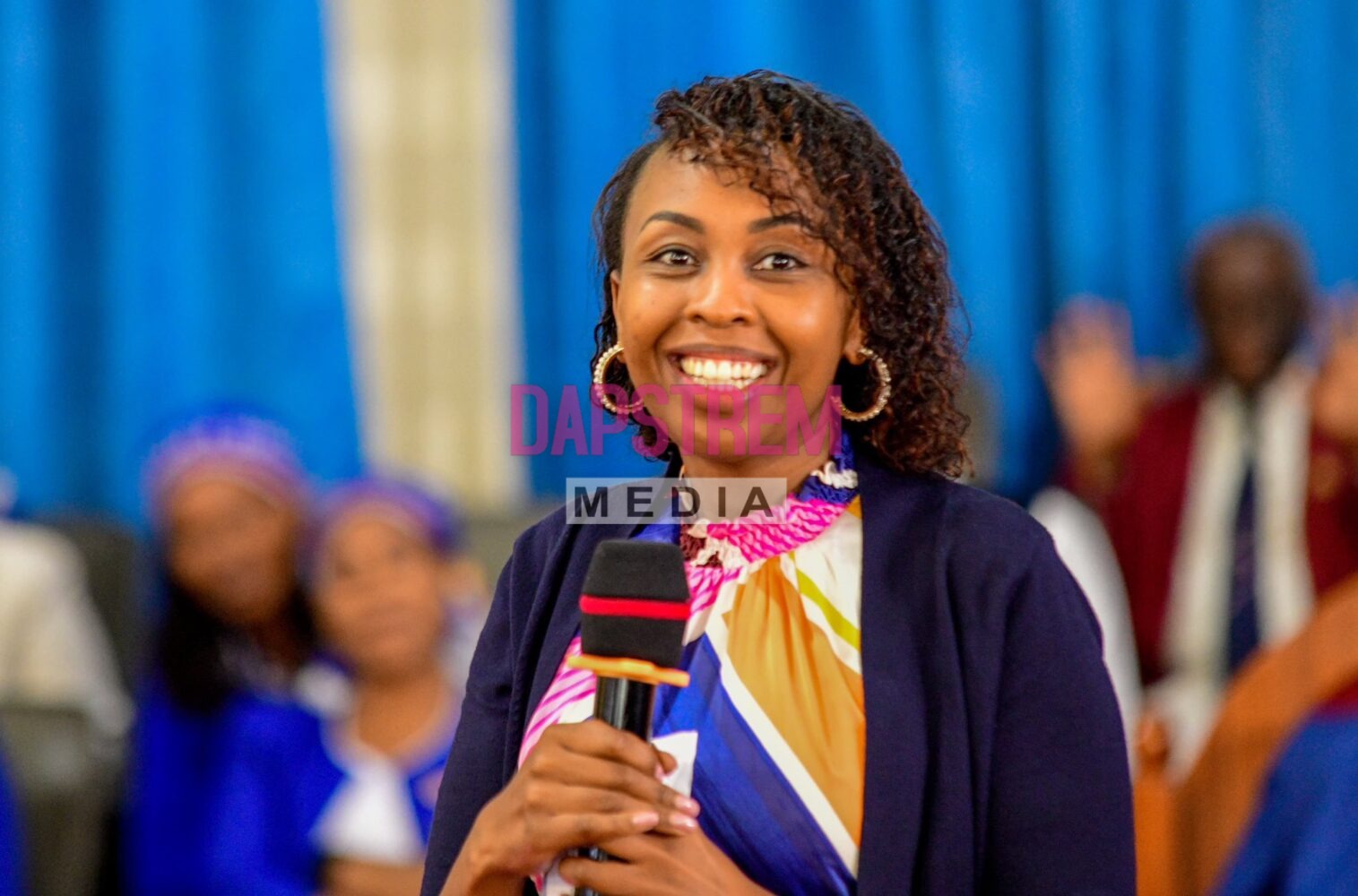
Political strategist Pauline Njoroge has been appointed interim head of communications at the Linda Mwananchi Movement, marking a significant development in the political outfit’s efforts to strengthen its structures ahead of Kenya’s 2027 General Election.
The appointment was announced on Tuesday, October 13, 2026, following a meeting of the movement’s leadership on Monday, October 12. The meeting reviewed progress on the organisation’s rebranding process, the development of its internal structures and the formation of a presidential campaign secretariat.
Njoroge, who previously served as Jubilee Party’s Deputy Organising Secretary, will oversee the movement’s communication activities as it continues to build a national political platform associated with Nairobi Senator Edwin Sifuna’s presidential ambitions.
The movement also appointed Fredah Onduso, Abigael Gikonyo and Charity Waweru to its Digital, Media and Publicity Team. The three will work within the Communication Department as part of a broader effort to strengthen the movement’s media presence, digital engagement and publicity operations.
The appointments place communication at the centre of the movement’s organisational preparations. With the 2027 elections approaching, political formations are increasingly focused on building teams capable of communicating their messages, mobilising supporters and responding to the fast-moving national political debate.
For Linda Mwananchi, Njoroge’s appointment comes at a time when the movement is seeking to turn its growing public visibility into a more structured political operation. The group has attracted attention through its rallies, public engagements and the involvement of leaders who have called for changes in Kenya’s political leadership.
The latest appointments signal that the movement is moving beyond public mobilisation towards strengthening the organisational systems required for a national campaign.
Pauline Njoroge’s Political Journey and Experience
Njoroge’s appointment brings a familiar figure in Kenya’s political communication circles into a key position within the Linda Mwananchi Movement.
She has spent years working in political organisation and strategic communication, particularly within the political network that developed around former President Uhuru Kenyatta.
Her political journey began in 2012 when she joined The National Alliance (TNA) as a communications manager. TNA later merged with the United Republican Party (URP) to form the Jubilee Party, which became the political vehicle that propelled Kenyatta and William Ruto to power in the 2013 General Election.
Njoroge remained within the Jubilee political structure through its subsequent years, eventually serving as Deputy Organising Secretary. She was also appointed to the party’s National Executive Council in May 2023.
Her role exposed her to political organisation, party structures, campaign communication and the management of public messaging in a competitive political environment.
In July 2026, however, Njoroge announced her resignation from Jubilee after approximately 14 years within the political network. She said her decision was informed by her conviction that Linda Mwananchi offered a platform for advancing the leadership changes she wanted to see in Kenya.
In her resignation statement, she highlighted the importance of good governance, constitutionalism, accountability, the rule of law and servant leadership. She also expressed appreciation to Kenyatta, whom she credited with providing opportunities that shaped her understanding of leadership and governance.
Her departure from Jubilee marked the end of a long political chapter and the beginning of a new one under a movement seeking to establish itself as an alternative political force.
The latest appointment therefore represents a continuation of the political transition she announced in July. Rather than remaining within the structures where she built her career, she is now taking on a communications leadership role in a movement seeking to develop its own identity and electoral strategy.
According to the movement’s announcement, Njoroge brings experience in political and strategic communication, presidential campaigns, government institutions and intergovernmental organisations.
Her experience is expected to be relevant as Linda Mwananchi develops its messaging and seeks to communicate its political agenda to different audiences across the country.
Why the Appointment Matters to Linda Mwananchi
Political communication is an important part of any electoral campaign. It determines how a political organisation presents its policies, explains its priorities, responds to criticism and maintains relationships with supporters.
For a movement seeking to grow into a national political force, having a dedicated communications leader can help create consistency in its public messaging.
Njoroge’s appointment comes as Linda Mwananchi works to establish more formal structures around its leadership and campaign activities. The movement has built visibility through political tours and rallies, but sustaining that momentum requires organisation beyond public meetings.
A coordinated communication strategy can help the movement explain its objectives, share announcements, publicise events and ensure that its supporters receive consistent information.
It can also help the leadership respond to political developments and criticism without allowing competing messages to weaken its public image.
The movement’s communication team will likely have to engage audiences across several platforms, including television, radio, newspapers, websites and social media. These platforms serve different audiences and require different approaches, making coordination essential.
Traditional media remains important for reaching broad audiences and shaping national debate. Digital platforms, meanwhile, allow political organisations to communicate directly with supporters, distribute campaign material quickly and engage younger voters who increasingly consume political information online.
The appointment of three additional members to the Digital, Media and Publicity Team suggests that the movement recognises the importance of building capacity in these areas.
However, the effectiveness of the new team will ultimately depend on the quality of its work, the clarity of the movement’s political message and its ability to connect with voters beyond its existing support base.
A strong communication department can help explain a campaign’s vision, but it cannot substitute for clear policies, credible leadership and an organisation capable of addressing the concerns raised by citizens.
Edwin Sifuna’s Presidential Ambitions and the Road to 2027
The appointment is also connected to Edwin Sifuna’s broader political ambitions ahead of the next General Election.
Sifuna, the Nairobi Senator and former Orange Democratic Movement (ODM) secretary-general, has emerged as a central figure in the Linda Mwananchi political formation. The movement has positioned itself around calls for political change, accountability and leadership that places citizens’ interests at the centre of government.
The group has held public rallies and grassroots engagements in different parts of Kenya, drawing attention from supporters and political observers.
Its activities have also placed it within the wider debate about the future of Kenya’s opposition politics and the leadership options available to voters in 2027.
The establishment of a presidential campaign secretariat indicates that the movement is seeking to organise its political activities more systematically. Such a secretariat can help coordinate campaign planning, communication, grassroots mobilisation and other functions required for a nationwide electoral effort.
Njoroge’s appointment forms part of this process. Her role will be important in communicating the movement’s direction, maintaining its public profile and helping the leadership present a consistent message as it prepares for the next phase of political engagement.
The movement has also announced that additional appointments to its campaign team will follow. This suggests that its leadership is still developing the personnel and structures needed to support its wider ambitions.
The scale of the challenge should not be underestimated. A presidential campaign requires more than public enthusiasm or the popularity of individual leaders. It demands a nationwide network, resources, clear policies, credible candidates and the ability to maintain support across different regions and communities.
It must also demonstrate that its message can translate into practical solutions to the issues affecting voters, including the cost of living, unemployment, public debt, healthcare, education, corruption and the quality of public services.
For Sifuna and his allies, the coming months will provide an opportunity to show whether the movement can turn its political visibility into a coherent national programme.
Four Women Take Up Communication Roles
Alongside Njoroge’s appointment, Linda Mwananchi named Fredah Onduso, Abigael Gikonyo and Charity Waweru to its Digital, Media and Publicity Team.
Their appointments form part of the restructuring of the movement’s Communication Department and place four women in key communication roles.
Digital communication has become increasingly important in Kenyan politics, where political messages, campaign videos, public statements and reactions to current affairs can spread rapidly through online platforms.
Political organisations now rely on digital teams to prepare content, manage official pages, monitor public conversations and ensure that campaign messages reach supporters quickly.
The work also requires careful attention to accuracy, tone and credibility. In an environment where misleading claims and edited content can circulate widely, political communication teams must ensure that their messaging is clear and supported by verifiable information.
For Linda Mwananchi, the new team will have to communicate with both supporters and undecided voters. It will need to explain the movement’s priorities while ensuring that its public engagement remains focused on substantive political issues.
The inclusion of a dedicated digital, media and publicity team could also improve coordination between online messaging and activities on the ground. When campaign communication is well organised, announcements about rallies, policy positions and public engagements can reach audiences more effectively.
The appointments also highlight the role women play in political communication and organisation. While much public attention often focuses on presidential aspirants and senior political leaders, communication specialists and organisers perform work that can influence how voters understand a political movement.
The new team’s contribution will become clearer as the movement expands its activities and develops its campaign agenda.
Linda Mwananchi’s Efforts to Build a Political Identity
The latest appointments come after a period in which the Linda Mwananchi name and its proposed political structure attracted considerable attention.
The movement’s identity became the subject of a dispute over the reservation of its proposed name. Its promoters challenged a decision by the Office of the Registrar of Political Parties to decline the application, arguing that they had a right to establish a political formation under the name.
On September 30, 2026, the Political Parties Disputes Tribunal ruled in favour of the appellants, setting aside the registrar’s decision. The registrar subsequently approved reservation of the Linda Mwananchi Movement name in a letter dated October 1, giving the promoters a period of up to 90 days to proceed with the next steps.
The decision was an important development for the movement because a recognisable name and identity can help a political organisation build public awareness and distinguish itself from other formations.
However, reserving a name is not the same as completing every stage of party registration or establishing a fully operational national political organisation. The movement still has to develop its structures and meet the applicable legal and organisational requirements.
The communication appointments are therefore taking place alongside efforts to establish the movement’s identity and strengthen its campaign machinery.
For a new political formation, consistency is particularly important. Supporters need to understand what the organisation stands for, how it differs from its competitors and what policies it would pursue if given the opportunity to lead the country.
A clear identity can also help the movement avoid confusion as it develops its structures and communicates with voters.
Njoroge and the wider communications team will have a role in presenting that identity to the public. Their challenge will be to ensure that the movement’s message remains consistent while responding to the political realities that emerge in the run-up to the election.
The Challenge of Turning Rallies Into Electoral Support
Linda Mwananchi has attracted attention through public rallies and grassroots engagements, but the real test will be whether it can build lasting political support.
Large crowds at rallies can indicate enthusiasm, but they do not automatically translate into votes. Political organisations must maintain contact with communities, understand local concerns and demonstrate how their proposed policies would improve people’s lives.
The movement will also need to expand beyond its most visible supporters. A successful national campaign must engage voters with different economic interests, political histories and expectations of government.
Communication will be central to this task. The team will have to explain the movement’s priorities in ways that resonate with communities across the country rather than relying solely on slogans or criticism of rival leaders.
Voters are likely to demand specific answers on issues affecting their daily lives. These include the rising cost of essential goods, employment opportunities for young people, the quality of public healthcare, access to education, taxation and the management of public resources.
The movement’s ability to present clear proposals on these matters may be as important as its capacity to organise rallies and maintain a strong digital presence.
It will also need to demonstrate internal cohesion. Political organisations frequently face differences over leadership, strategy, candidate selection and the distribution of responsibilities. How such disagreements are managed can influence public confidence in a movement’s ability to govern.
For Njoroge, one of the central tasks will be helping the organisation communicate its position clearly during a politically competitive period. That work will require coordination with the leadership and other campaign officials, as well as a careful understanding of the issues attracting public attention.
The appointment gives her a formal responsibility within that process, but the movement’s wider performance will depend on the collective work of its leaders, organisers and supporters.
What the Appointment Means for Kenya’s 2027 Political Contest
The 2027 General Election is expected to feature intense competition among political parties and aspirants seeking national leadership.
Political organisations are already working to build alliances, establish campaign structures and present themselves as credible alternatives to their rivals. The emergence of new political formations adds another dimension to that competition.
Linda Mwananchi’s efforts to formalise its structures and establish a presidential campaign secretariat suggest that its leaders intend to play a role in the contest.
Njoroge’s appointment is one of the latest steps in those preparations. Her experience within Jubilee and her subsequent move to Linda Mwananchi also reflect the political realignments that can take place as parties and leaders prepare for an election.
Kenya’s political landscape has often been shaped by shifting alliances, negotiations and the search for electoral coalitions. Political figures may leave established parties when they believe another platform better reflects their priorities or offers a stronger path towards their ambitions.
However, the movement’s future influence will depend on more than the backgrounds of its individual members. It must show that it can develop a programme that addresses national concerns and attract support beyond the political networks that initially helped it gain visibility.
The communication team will be expected to help explain the movement’s positions and ensure that its activities remain visible in a crowded political environment.
The wider contest will also test how political organisations use digital platforms and public communication. Online visibility can help introduce a movement to new audiences, but it can also expose leaders to intense scrutiny and criticism.
The challenge for Linda Mwananchi will be to use communication not merely to attract attention but also to build credibility, explain policy and sustain meaningful engagement with the public.
A New Responsibility for Pauline Njoroge
Njoroge’s appointment as interim head of communications places her at the centre of a movement seeking to strengthen its organisation before the 2027 General Election.
Her previous experience in political communication and party organisation provides a foundation for the role. Her move from Jubilee to Linda Mwananchi also gives her a prominent position in a new chapter of her political career.
The interim nature of the appointment means the movement has not described the role as a permanent placement. Further organisational decisions may follow as it continues to establish its structures and campaign secretariat.
In the meantime, Njoroge and the newly appointed Digital, Media and Publicity Team will be expected to help shape how the movement communicates with the public.
Their work will take place against the backdrop of an increasingly competitive political environment, in which parties and movements must explain their ideas while responding to criticism and changing public expectations.
The coming months will reveal how effectively the team performs its responsibilities and how the movement develops its political programme.
For Linda Mwananchi, the appointments represent an organisational step towards preparing for the next election. For Njoroge, they mark a new phase after leaving a political party where she spent approximately 14 years.
Ultimately, the significance of the announcement will depend on what follows. A strong communications team can help a movement build recognition and maintain public engagement, but electoral success will require a clear agenda, effective organisation and sustained support from voters.
As the 2027 General Election approaches, Njoroge’s appointment adds another development to the evolving political landscape and signals that Linda Mwananchi is continuing to put structures in place for its presidential campaign ambitions.