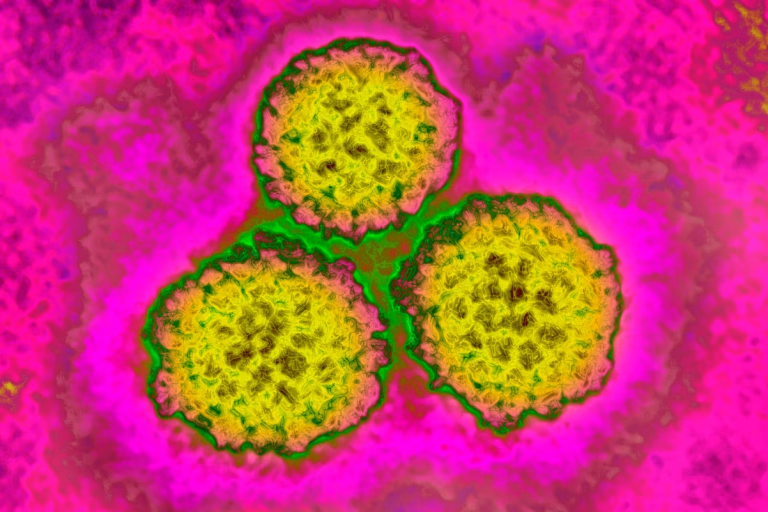
A suspected Ebola case at a health facility in Nanyuki has tested negative, easing fears of a possible infection in Laikipia County as Kenya strengthens surveillance following confirmation of its first imported Ebola case.
The hospital has issued a statement addressing the suspected case, amid heightened public concern over the spread of the deadly virus in the region. The negative result is reassuring, although health authorities continue to emphasise the importance of vigilance and prompt reporting of suspected infections.
The specific hospital statement and laboratory details could not be independently located in the available reporting. The patient’s identity, symptoms, travel history and any additional monitoring measures therefore remain unconfirmed.
Kenya on heightened Ebola alert
The development comes days after the Ministry of Health confirmed Kenya’s first imported case of Bundibugyo Ebola virus disease on October 6, 2026.
According to the ministry, the patient was a Kenyan citizen who had been living in the Democratic Republic of Congo (DRC), where an Ebola outbreak has been reported. He travelled through Uganda before arriving in Nairobi on October 3.
He was admitted to Nairobi Hospital, where laboratory tests conducted by the National Virology Reference Laboratory and the Kenya Medical Research Institute confirmed the infection. He died on October 6.
The Ministry of Health subsequently began tracing people who may have been exposed to the patient, including family members, healthcare workers, passengers and crew members who travelled on the same flight.
Authorities intensify surveillance
Following the confirmed case, the government announced heightened screening at points of entry, contact tracing and increased preparedness at designated isolation and treatment facilities.
Health Cabinet Secretary Aden Duale said the government was working with national and international partners to strengthen surveillance and prevent further transmission.
The ministry has urged Kenyans to remain alert without panicking, seek medical attention if they develop concerning symptoms and follow guidance from recognised health facilities.
Ebola spreads primarily through direct contact with the blood or other body fluids of an infected symptomatic person, or contaminated materials. A suspected case alone does not establish that a person has the disease; laboratory testing and clinical assessment are essential.
Public urged to avoid misinformation
The negative result reported in Nanyuki offers reassurance, but health officials must continue assessing suspected cases according to established public health protocols.
Residents have been encouraged to rely on verified updates from the Ministry of Health and county health authorities rather than circulating unconfirmed reports on social media.
The ministry has also advised anyone concerned about possible exposure or experiencing symptoms to seek medical guidance promptly. Its toll-free health information line is 719.
As Kenya continues responding to the imported case, the Nanyuki incident highlights the importance of rapid testing, transparent communication and effective surveillance in preventing public anxiety from escalating into misinformation.