Flooding Hits Mogadishu After Heavy Rains as Somalia Braces for More Severe Weather
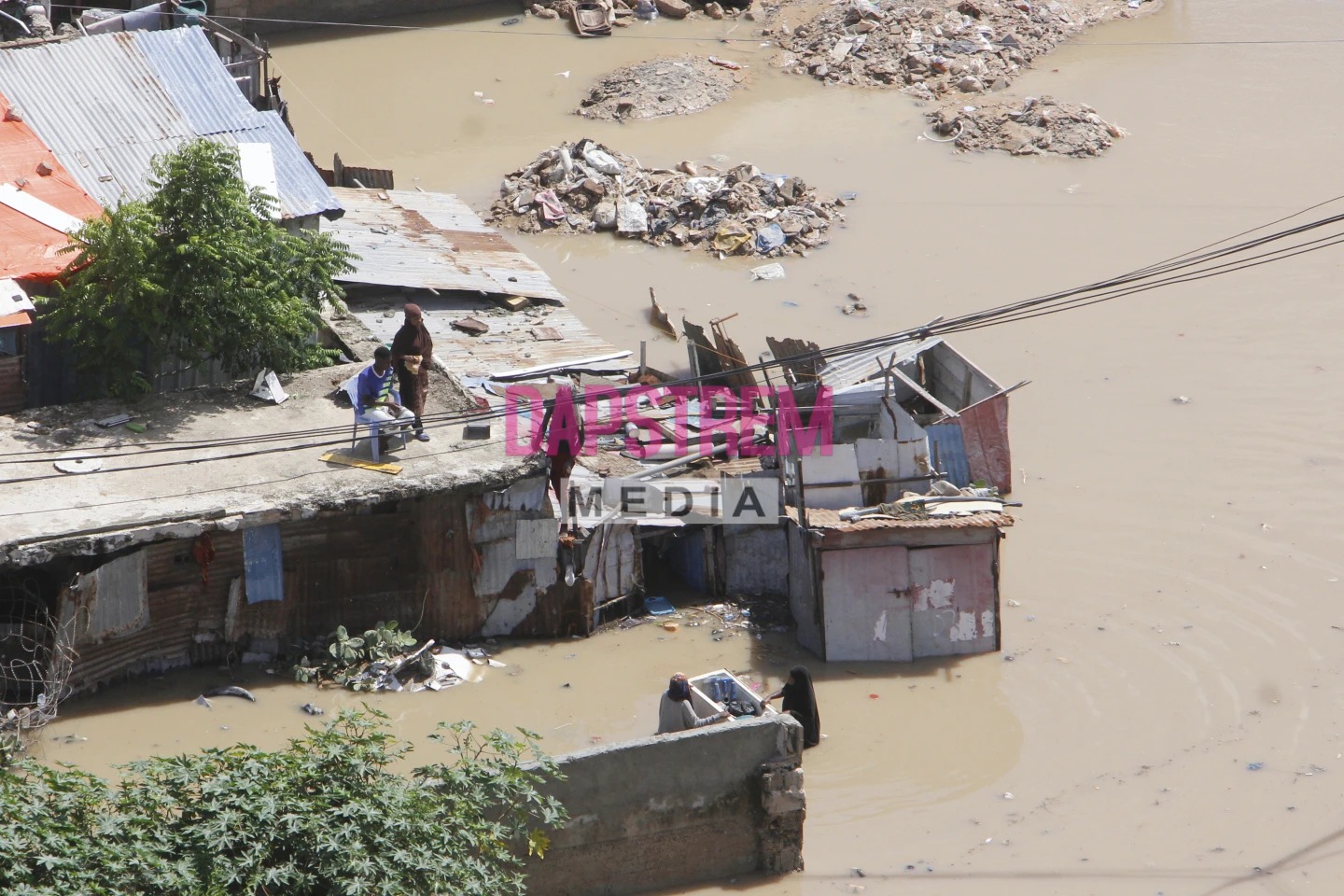
Heavy rains have triggered flooding in Mogadishu, Somalia’s capital, disrupting transport, schools and businesses as residents struggle with the effects of rising water levels and deteriorating weather conditions. The flooding has renewed concerns about the city’s ability to cope with intense rainfall, particularly as forecasts point to the possibility of heavier rains across Somalia in the coming months.
The latest flooding was reported on Monday, October 12, 2026, with Reuters publishing footage showing the effects of heavy rain on Mogadishu’s roads and daily activities. The disruption comes at the beginning of a period when Somalia is expected to face heightened flood risks associated with the October-to-December rainy season and a developing El Niño weather pattern.
For residents, the effects of flooding can extend well beyond the immediate inconvenience of waterlogged streets. Roads become difficult to use, businesses may struggle to open, children can face interruptions to their education, and families may find it harder to access healthcare, food and other essential services.
The latest situation also raises questions about drainage infrastructure, emergency preparedness and the capacity of local authorities to respond when heavy rainfall overwhelms urban areas.
While the full extent of the latest flooding, including any casualties and the total number of people affected, requires confirmation from official assessments, the disruption in Mogadishu comes amid broader warnings that Somalia could face a difficult rainy season.
The International Rescue Committee (IRC) reported in September that heavy rainfall linked to El Niño had already caused flooding in parts of Mogadishu and affected the Ariif Health Centre, a facility supported by the organisation. Its teams were assessing the damage and the impact on the centre’s ability to continue providing essential healthcare.
The organisation also warned that the expected rains could place additional pressure on Somalia’s already stretched health system and expose vulnerable communities to further hardship.
Heavy Rains Disrupt Transport, Schools and Businesses
The latest flooding has affected some of the everyday activities that keep Mogadishu moving. Heavy rainfall can quickly make roads difficult to navigate, slowing vehicles and creating problems for commuters, traders, schoolchildren and people travelling to work.
Reuters reported on October 12 that flooding had affected roads in the capital, disrupting schools and businesses. The report highlights the immediate economic and social consequences that can follow when intense rainfall overwhelms parts of an urban area.
For workers, flooded roads can mean arriving late or being unable to reach their workplaces. Public transport operators may face delays, while motorists risk damage to their vehicles when attempting to drive through standing water.
Small businesses can also suffer when customers cannot reach their premises or when deliveries are delayed. Traders who depend on daily sales may lose income if their shops remain closed for extended periods.
The impact can be particularly difficult for people who earn money on a daily basis. Unlike businesses with financial reserves, many small traders and informal workers may have little protection against sudden interruptions to their income.
Schools also face challenges when roads become impassable or school premises are affected by water. Pupils may miss lessons, teachers may struggle to reach classrooms, and parents may have to change their plans to keep children safe.
For families already facing financial pressure, these disruptions can create additional costs. They may need to find alternative transport, purchase replacement household items or spend money addressing damage caused by water entering their homes.
Flooding can also affect access to essential public services. Residents may struggle to reach health facilities, pharmacies or markets, particularly when water blocks roads or makes movement unsafe.
The situation demonstrates how a weather event can affect several parts of a city at once. Transport problems can disrupt businesses, school interruptions can affect families, and damage to health facilities can make medical care harder to access.
The consequences are not always limited to the hours when the rain is falling. Depending on the severity of the flooding, water may take time to drain away, while damaged roads, buildings and equipment can require repairs before normal activities resume.
For Mogadishu, the immediate priority is to establish the full extent of the damage, ensure residents can move safely and identify communities that require urgent assistance.
El Niño Raises Concerns About More Flooding
The flooding in Mogadishu comes as Somalia faces warnings of potentially intense rainfall during the October-to-December 2026 season.
El Niño is a natural climate phenomenon involving unusually warm sea-surface temperatures in the central and eastern tropical Pacific Ocean. Although it develops in the Pacific, it can influence weather patterns in distant regions, including rainfall across parts of East Africa.
The International Rescue Committee said forecasts available in September indicated a greater than 90 per cent chance of above-normal rainfall across central and southern Somalia. Some areas could receive more than 400 millimetres of rain between October and December, according to the organisation’s assessment.
Such forecasts do not mean every part of Somalia will experience the same amount of rainfall or that every area will flood. Rainfall can vary significantly between locations, and the impact depends on the intensity and duration of storms, the condition of drainage systems, soil saturation and the proximity of communities to rivers.
However, the warnings indicate that authorities and humanitarian organisations need to prepare for the possibility of further flooding.
Somalia’s main rainy season during these months is known as the Deyr season. Heavy rainfall during this period can replenish water supplies and support agricultural activities, but excessive rain can also overwhelm rivers, damage farmland and force families to leave vulnerable areas.
The concern is particularly serious when intense rainfall occurs in places where drainage infrastructure is limited or where communities are already exposed to flooding.
In Mogadishu, the latest disruption shows how heavy downpours can affect urban life. Elsewhere in Somalia, the risks include river flooding along the Shabelle and Juba rivers, which are essential to agriculture and livelihoods in several regions.
The IRC has warned that if heavy rains continue and the two rivers overflow their banks, flooding could affect towns and villages across riverine areas. The organisation is monitoring conditions and working with local partners to improve preparedness.
These concerns make early warnings, evacuation planning and the availability of emergency supplies particularly important. Authorities need to identify vulnerable communities before flooding becomes severe, while residents require timely information to make decisions about their safety.
Somalia Still Faces the Effects of Earlier Climate Shocks
The latest flooding is unfolding against a background of repeated climate-related emergencies that have placed enormous pressure on communities across Somalia.
The country has experienced prolonged droughts that damaged crops, reduced livestock herds and left many families struggling to find sufficient food and water. In some areas, families who lost their livelihoods during droughts have faced difficulties rebuilding their lives before another emergency arrived.
Flooding creates a different set of problems, but its consequences can be equally severe. Water can destroy homes, damage farmland, kill livestock, contaminate water supplies and interrupt the movement of food and other essential goods.
The transition from drought to heavy rainfall can be especially difficult for households that have already used much of their savings or sold valuable assets to survive earlier hardships.
A family that loses livestock during a drought may have little left to sell when floodwaters damage its home or destroy crops. Farmers may struggle to recover if they lose another planting season, while displaced families may have difficulty finding secure accommodation.
The IRC noted that the last comparable combination of conditions in 2023 led to floods that displaced approximately 1.2 million people across Somalia. The figure illustrates the potential scale of the humanitarian consequences when intense rainfall affects vulnerable communities across the country.
More recent warnings from the Food and Agriculture Organization of the United Nations and the Somali authorities have highlighted the risk that further flooding could deepen food insecurity and malnutrition.
In a statement issued on September 23, the FAO said projections indicated that 5.4 million people in Somalia could face crisis-level food insecurity or worse between October and December 2026. The assessment also warned that anticipated flooding could destroy crops and livestock, cut households off from markets and trigger further displacement.
These are projections rather than a final count of people affected by the current Mogadishu flooding. Nevertheless, they underline why the rainy season is being closely watched by humanitarian agencies.
When families lose access to farms, markets and employment, they may struggle to obtain food even after floodwaters recede. Recovery can take months, especially where households have limited savings or depend heavily on agriculture and livestock.
The challenge facing Somalia is therefore not only how to respond to individual floods, but also how to protect communities against repeated emergencies that undermine their ability to recover.
Flooding Threatens Healthcare and Access to Clean Water
One of the most serious risks associated with flooding is the disruption of healthcare services.
The International Rescue Committee reported in September that its supported Ariif Health Centre in Mogadishu had already been affected by heavy rainfall. The organisation said its health teams were assessing damage to the facility, staff resources and its capacity to continue serving patients.
The development demonstrates that healthcare facilities are not immune to the effects of extreme weather. Floodwater can damage buildings and equipment, make entrances inaccessible and interfere with the delivery of medicines and other medical supplies.
When a health centre is disrupted, patients who rely on routine medical care may have to travel farther to find assistance. This can be particularly dangerous for pregnant women, young children, older people and individuals living with serious illnesses.
Flooding can also create public health risks when water mixes with sewage, rubbish or other contaminants. If drinking water sources become contaminated, communities may face a higher risk of waterborne diseases.
Standing water and poor sanitation can further complicate conditions in crowded neighbourhoods, especially where many families share limited facilities.
The risks may continue after the rain stops. Contaminated water can remain in affected areas, while damaged sanitation systems may take time to repair. People who return to flooded homes without adequate cleaning and protective measures may remain exposed to health hazards.
Authorities and aid organisations therefore need to consider more than immediate rescue and shelter. Access to safe drinking water, sanitation facilities, medical supplies and disease surveillance is also essential.
Health facilities in flood-prone areas may need emergency plans that allow them to continue operating or transfer services safely when buildings become inaccessible.
Public information is equally important. Residents should receive clear guidance on avoiding contact with potentially contaminated floodwater, protecting drinking water and seeking medical attention when symptoms develop.
For Mogadishu, ensuring that essential health services remain accessible will be a critical part of the response as authorities assess the latest flooding and monitor the weather.
Displaced Families Could Face Greater Hardship
Flooding can force families to leave their homes with little warning, particularly when water levels rise rapidly or buildings become unsafe.
Displacement brings immediate challenges. Families may need temporary shelter, food, clean water, sanitation and protection for children and other vulnerable household members.
Some people may move in with relatives, while others may seek accommodation in temporary sites or safer parts of the city. The options available depend on the scale of the flooding and the resources households can access.
For families already displaced by conflict, drought or previous emergencies, another flood can be especially devastating. They may have few belongings left and limited opportunities to find secure accommodation.
Displaced children may experience interruptions to their education, while adults may lose access to work or small businesses. Families can also become separated during hurried evacuations, making communication and assistance more difficult.
The latest reports do not establish a confirmed number of people displaced by the October 12 flooding in Mogadishu. However, the wider seasonal outlook suggests that authorities need to prepare for the possibility of additional displacement in the capital and other parts of Somalia.
The International Organization for Migration has published projections warning of elevated displacement risks during the October-to-December period, while emphasising that the actual movement of people will depend on local conditions and the development of flooding.
Preparedness measures can help reduce the disruption. Communities need clear information about areas at risk, accessible evacuation routes and safe locations where families can seek assistance.
Humanitarian organisations also need adequate supplies and funding to respond quickly when people are forced to leave their homes. Delays in delivering food, water and shelter can make an already difficult situation worse.
Protecting people during flooding requires attention to the specific needs of different groups, including children, older people, people with disabilities and those who require regular medical care.
Questions Over Drainage and Urban Preparedness
The flooding has also renewed attention to the challenges of managing heavy rainfall in Mogadishu.
Urban flooding can occur when rain falls faster than water can drain away. Blocked drainage channels, inadequate infrastructure, waste accumulation and development in flood-prone areas can all contribute to the problem.
The exact contribution of these factors to the latest Mogadishu flooding requires local assessment. However, the wider experience of urban flooding demonstrates the importance of maintaining drainage systems and ensuring that infrastructure can handle heavy rainfall.
As cities grow, the demand for housing, roads and public services also increases. If development occurs without sufficient investment in drainage and water management, neighbourhoods may become more vulnerable during intense storms.
Poor waste disposal can worsen the situation when rubbish blocks channels and prevents water from flowing away. Regular cleaning and maintenance can therefore form an important part of flood prevention.
Longer-term planning may also require better mapping of flood-prone locations, improved building standards and restrictions on development in areas where flooding poses a serious risk.
These measures can be expensive, particularly for governments managing multiple development and security priorities. However, investing in prevention may reduce the cost of repeatedly repairing roads, homes and public facilities after floods.
Early-warning systems are another important part of preparedness. Weather forecasts and flood monitoring can help authorities identify dangerous conditions and communicate risks before communities become isolated.
The Somali Disaster Management Agency has been issuing flood-risk warnings as the country prepares for the rainy season. In an October 5 bulletin, the agency highlighted potential flood hazards and the need to inform communities in areas at risk.
For Mogadishu, the latest disruption provides a further reason to examine how well drainage systems, emergency plans and public information channels are functioning. Such assessments would help identify immediate weaknesses and guide future investment.
Authorities and Aid Agencies Face a Race Against Time
With the rainy season underway, Somalia’s authorities and humanitarian partners face the task of preparing for possible additional flooding while responding to immediate needs.
The Somali Disaster Management Agency, local administrations and emergency services play important roles in monitoring hazards, coordinating responses and sharing warnings with communities.
Humanitarian organisations can support these efforts by providing emergency supplies, helping vulnerable households prepare and maintaining access to essential services.
The IRC has described measures taken ahead of the rains, including identifying families at high risk, providing cash assistance and working with local partners to strengthen flood forecasting. It has also supported monitoring of river levels along the Shabelle and Juba rivers.
Cash assistance can give households flexibility to purchase food, access clean water or protect important livelihood assets. However, it must be accompanied by functioning markets and appropriate safeguards, especially when flooding disrupts the supply of goods.
Emergency planning also requires the pre-positioning of food, medical supplies and other essential items before roads become impassable. Once communities are cut off, delivering assistance can become considerably more difficult.
The FAO has called for stronger food assistance, nutrition services and emergency preparedness as Somalia faces the risk of further flooding and worsening food insecurity. Its September assessment stressed the importance of getting supplies to vulnerable communities before heavy rainfall disrupts access.
Funding remains a major consideration. Preparing for a disaster requires resources before its full impact is visible, while emergency operations can become more expensive as the number of people needing assistance increases.
Authorities and aid agencies must therefore balance immediate response with measures designed to prevent further losses. That includes communicating risks, identifying people who may need evacuation, protecting health facilities and ensuring that emergency teams can reach affected neighbourhoods.
The current flooding in Mogadishu makes these preparations especially urgent. Even if the latest rainfall subsides, the wider seasonal outlook suggests that the danger may not be over.
A Warning for the Wider East African Region
The situation in Somalia also matters to the wider East African region, where extreme weather can disrupt trade, transport, agriculture and access to essential services.
Countries across the region face different combinations of drought, flooding and other climate-related hazards. The consequences depend on local geography, infrastructure, preparedness and the resources available to affected communities.
Somalia’s experience demonstrates the importance of coordinating early warnings and humanitarian assistance across agencies and borders where necessary. Regional cooperation can help share weather information, improve preparedness and mobilise assistance when emergencies exceed local capacity.
The potential effects of flooding extend beyond damaged buildings. When farms are affected, food supplies and household incomes can suffer. When roads are cut off, markets and transport networks may be disrupted. When health facilities become inaccessible, communities can face additional risks.
These impacts can also compound existing problems such as poverty, displacement and food insecurity. Families that have already experienced drought or conflict may have fewer resources available to recover from another emergency.
For this reason, flood preparedness needs to be integrated into longer-term development planning. Improving drainage, protecting water supplies, strengthening health facilities and supporting climate-resilient livelihoods can help communities withstand future shocks.
The current situation in Mogadishu is a reminder that emergency response and long-term resilience are closely connected. Rescue operations may address immediate danger, but preventing repeated losses requires sustained investment and planning.
What Happens Next?
The immediate focus in Mogadishu will be on assessing the impact of the latest heavy rains, restoring disrupted services and identifying residents who need assistance.
Authorities will also need to monitor weather forecasts and communicate warnings as the rainy season progresses. The scale of any further flooding will depend on how rainfall develops, the condition of drainage systems and whether rivers in other parts of Somalia overflow.
Residents in vulnerable areas should take official warnings seriously, avoid walking or driving through floodwater and follow guidance from local authorities on evacuation and safety.
Floodwater can conceal open drains, damaged roads and other hazards. People should avoid unnecessary movement through flooded areas and seek safer routes where possible. Drinking water should be protected from contamination, and families should follow advice from health authorities on sanitation and hygiene.
For emergency agencies, the priorities include protecting lives, maintaining access to healthcare, supplying safe water and supporting families whose homes or livelihoods have been damaged.
The latest flooding has also highlighted the importance of helping communities prepare before the most intense rainfall arrives. Timely warnings, functioning drainage systems, emergency supplies and adequate funding can make a substantial difference in reducing the impact of floods.
Although the full damage from the latest rainfall remains to be established, the disruption to roads, schools and businesses is a clear reminder of how quickly severe weather can affect daily life in a major city.
Somalia now faces the dual challenge of responding to immediate flooding in Mogadishu while preparing for a rainy season that could bring further hardship to vulnerable communities.
As October continues, the effectiveness of early-warning systems, emergency coordination and humanitarian assistance will be crucial. The goal will be to prevent further loss of life, protect livelihoods and ensure that families already facing difficult circumstances are not left to cope with the crisis alone.
For Mogadishu and the wider country, the coming weeks will be an important test of preparedness as heavy rains and the threat of additional flooding place renewed pressure on communities and public services.