Formula 1 to Return to Africa in the Early 2030s as Rwanda Secures Historic 10-Year Grand Prix Agreement, Ending a 33-Year Absence From the Continent
Formula 1 is set to make a historic return to Africa in the early 2030s after Rwanda secured a 10-year agreement to host a Grand Prix, ending the continent’s more than three-decade absence from the world’s premier motorsport championship.
The agreement, announced on Tuesday, October 13, 2026, will see Rwanda host a race at a purpose-built circuit planned for Bugesera, approximately 40 kilometres south of the capital, Kigali. The announcement represents a significant milestone for African motorsport and places Rwanda at the centre of Formula 1’s efforts to expand its global reach.
The deal was announced in Kigali in the presence of Rwandan President Paul Kagame, Formula 1 president and chief executive Stefano Domenicali, and International Automobile Federation (FIA) president Mohammed Ben Sulayem.
Under the agreement, Rwanda will host the race for 10 years. However, organisers have not confirmed the exact year of the inaugural Grand Prix. The first race is expected in the early 2030s, depending on the construction and readiness of the proposed circuit.
The return will end a long wait for African motorsport fans, who have watched Formula 1 hold races across Europe, Asia, the Americas and the Middle East without a permanent place on the continent’s calendar.
According to Reuters and the Associated Press, Formula 1 last held a Grand Prix in Africa in 1993, when the South African Grand Prix took place at the Kyalami circuit near Johannesburg. Rwanda’s agreement will therefore restore Africa’s presence in the championship after more than 30 years.
Rwanda’s Grand Prix Project Takes Shape
Rwanda’s successful bid follows years of efforts to attract one of the world’s most prestigious sporting competitions. President Kagame formally announced the country’s intention to host Formula 1 in December 2024, expressing confidence that the project could strengthen Rwanda’s international profile and attract new investment.
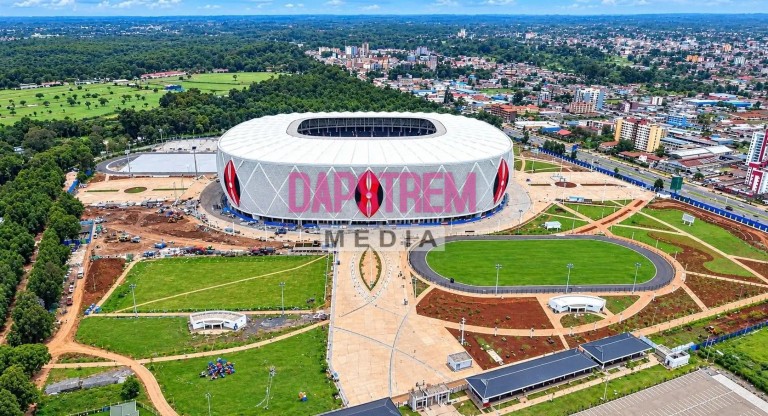
The proposed circuit will be constructed in Bugesera, an area south of Kigali that is also associated with the development of a new international airport. Its location is expected to connect the racing facility with Rwanda’s wider transport and tourism ambitions.
The planned track must meet the FIA’s Grade One standards, which are required for hosting Formula 1 races. This involves meeting demanding requirements covering track design, safety facilities, barriers, medical services, race operations and supporting infrastructure.
The circuit is expected to be designed around the area’s natural landscape and elevation changes, creating a distinctive racing environment. Organisers will need to turn the plans into a fully operational venue before the race can join the championship calendar.
The project will require more than laying asphalt and building grandstands. A Formula 1 event depends on extensive facilities for teams, drivers, broadcasters, sponsors, spectators and officials. It also requires reliable transport connections, accommodation, security arrangements and services capable of handling thousands of international visitors.
Rwanda’s ability to coordinate these requirements will be central to the project’s success. The country will need to work closely with Formula 1, the FIA, circuit designers, construction companies and other partners to deliver a venue that meets international standards.
The 10-year agreement provides a long-term framework for the partnership. It also gives Rwanda an opportunity to develop the infrastructure and expertise needed to host a major sporting event consistently over several years.
However, the agreement should not be mistaken for confirmation that the circuit is already complete or that a specific race date has been set. The early-2030s timeline remains dependent on construction and the final arrangements for the championship.
Formula 1 Ends Its Long Absence From Africa
Formula 1’s return to Africa carries significance beyond Rwanda because the continent has remained outside the championship for more than three decades.
Although Formula 1 has continued to expand internationally, Africa has not hosted a round of the world championship since the 1993 South African Grand Prix.
South Africa has historically played an important role in the sport. Its Grand Prix was held at different venues before becoming closely associated with Kyalami, which hosted the championship during several periods.
The continent also hosted the Moroccan Grand Prix in 1958, held on a circuit near Casablanca. Rwanda will become the third African country to host a round of the Formula 1 World Championship, following Morocco and South Africa.
The gap has become increasingly noticeable as Formula 1 has strengthened its international presence and attracted new audiences across different regions. Its calendar now includes races in several major commercial and tourism destinations, with organisers seeking to reach fans beyond the sport’s traditional European base.
Rwanda’s inclusion will allow Formula 1 to stage a race on every inhabited continent. Domenicali described the agreement as a landmark moment and said the return would bring the championship closer to fans around the world.
The development is particularly significant for African supporters who have followed the sport through television broadcasts, digital platforms and social media without having a home Grand Prix to attend.
For many fans, the prospect of seeing Formula 1 cars racing on African soil will make the championship feel more accessible. It could also create new opportunities for local businesses, motorsport organisations and young people interested in engineering, technology and professional racing.
The return also raises an important question about the continent’s future place in global motorsport. Rwanda’s agreement may create momentum for further investment in racing infrastructure and help strengthen interest in other forms of competitive motorsport across Africa.
Lewis Hamilton’s Long-Standing Call for an African Grand Prix
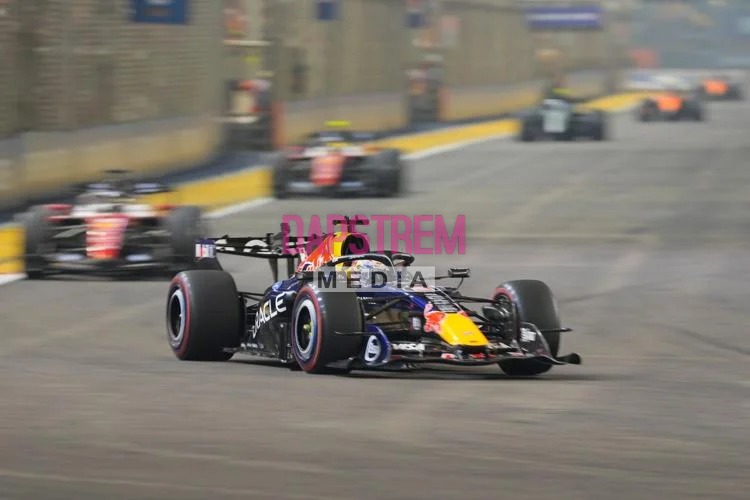
The announcement is also a significant development for seven-time Formula 1 world champion Lewis Hamilton, who has repeatedly called for the sport to return to Africa.
Hamilton, one of the most successful drivers in Formula 1 history and the championship’s only Black driver, has argued that Africa deserves a place on the calendar alongside other regions that regularly host major races.
The British driver has spoken about his desire to race on the continent and has described the absence of an African Grand Prix as a gap in the championship’s global representation.
His campaign has helped keep the issue in public discussion as Formula 1 considered options for returning to Africa. Hamilton has previously highlighted the continent’s importance and its appeal to motorsport supporters.
The Rwanda announcement brings that long-standing ambition closer to reality, although the actual race will depend on the completion of the circuit and the finalisation of the calendar.
Hamilton’s position also reflects broader discussions about representation in international sport. Formula 1 attracts a global audience, but its historical centres of competition have been concentrated in Europe and selected markets elsewhere.
A race in Africa could provide supporters with a greater sense of inclusion while offering the sport a chance to develop stronger relationships with African communities.
It could also inspire young people who may have limited access to motorsport facilities or professional racing opportunities. Seeing a major international championship hosted on the continent could encourage greater interest in automotive engineering, vehicle technology, data analysis, sports management and other careers connected to racing.
However, the long-term impact will depend on whether the event creates opportunities beyond race weekend. Training programmes, educational partnerships, local motorsport development and access to technical careers could help ensure that the benefits extend to communities across Rwanda and the wider region.
Rwanda Eyes Tourism, Investment and New Business Opportunities
Rwanda’s decision to pursue Formula 1 forms part of a broader strategy to attract international visitors, investment and major sporting events.
The country has increasingly used sports as a platform for international promotion. Its activities have included partnerships connected to European football, basketball initiatives and the hosting of major cycling competitions.
Bringing Formula 1 to Rwanda would raise the country’s visibility among audiences who may not otherwise follow its tourism or investment opportunities.
The championship attracts international media coverage, commercial partners and travelling supporters. A Grand Prix can place its host city before a worldwide audience, creating opportunities to promote hotels, restaurants, attractions, transport services and other local businesses.
For Rwanda, the proposed race could complement the development of Bugesera and the wider transport infrastructure around Kigali.
Hotels may benefit from visitors arriving for the race, while restaurants, tour operators and transport companies could experience increased demand. Local suppliers could also seek contracts to provide event services, equipment, catering, accommodation and logistics.
The construction phase may generate employment opportunities in engineering, building, transport and related industries. Once the circuit becomes operational, it could create continuing demand for technical workers, security personnel, hospitality staff and event-management professionals.
The wider economic impact, however, will depend on how the project is financed and managed. A high-profile sporting event does not automatically guarantee profits for its host country.
The costs of constructing and maintaining a Formula 1 circuit can be substantial. Rwanda will therefore need to balance its investment against the expected revenue, employment opportunities, tourism growth and other long-term benefits.
The government and its partners will also need to consider how the facility can be used outside the annual Grand Prix. Hosting other motorsport events, exhibitions, training programmes and business activities could help generate revenue throughout the year.
If the project is implemented effectively, the circuit could become part of a wider strategy to position Rwanda as a destination for international conferences, sporting competitions and investment.
Bugesera Circuit and the Importance of Infrastructure
The proposed location near Bugesera is central to Rwanda’s plans for hosting the race.
Situated around 40 kilometres south of Kigali, the area is linked to the development of a new international airport. The combination of an airport project and a purpose-built racing circuit could strengthen the area’s role in Rwanda’s future transport and tourism plans.
For a Formula 1 Grand Prix to operate successfully, visitors must be able to reach the venue efficiently. Teams and their equipment also require carefully coordinated transport arrangements, while spectators need access to accommodation, food, medical services and reliable public or private transport.
The airport and circuit projects could complement each other by supporting international travel and major events. Nevertheless, their success will depend on construction schedules, transport links and the availability of services that can accommodate the additional demand.
A race weekend can place significant pressure on roads, accommodation and public services. Rwanda will need to plan for traffic management, crowd safety, emergency response, environmental protection and the movement of visitors between Kigali and Bugesera.
The circuit’s design will also be important in determining whether the race offers an exciting experience for drivers and spectators.
Formula 1 tracks must combine competitive racing with strict safety requirements. Designers must consider overtaking opportunities, corner layouts, run-off areas, barriers, sightlines and facilities for spectators and television production.
Rwanda’s organisers will have to demonstrate that the proposed venue can deliver a competitive race while satisfying the championship’s technical and safety expectations.
The construction process will be closely watched as the country moves from securing the hosting agreement to delivering the infrastructure needed for the first race.
South Africa and Other African Bids
Rwanda’s agreement comes after years of discussions about bringing Formula 1 back to Africa, with South Africa and Morocco also associated with efforts to secure a race.
South Africa has a long history with the championship and has explored options for hosting a future Grand Prix. Kyalami, which last hosted a Formula 1 race in 1993, has been part of discussions about a possible return, alongside other proposals.
Morocco has also attracted attention through plans associated with developing a new circuit. However, Rwanda has now secured the announced 10-year agreement for a race expected in the early 2030s.
The decision does not necessarily mean that other African countries will never host Formula 1. South African officials have continued to express interest in bringing the championship back, and the sport could consider additional opportunities in the future.
For now, Rwanda has taken the lead in the race to bring Formula 1 back to the continent.
The development may encourage healthy competition among African countries seeking to attract major sporting events. Such competition could lead governments and private investors to improve transport facilities, accommodation, tourism services and sporting infrastructure.
However, the high cost of hosting Formula 1 means that countries must carefully evaluate their proposals. The presence of an international event can raise a country’s profile, but long-term benefits depend on sound financial planning and effective delivery.
For Rwanda, securing the agreement is a major achievement. The next challenge will be turning that announcement into a successful event that meets the expectations of the sport, visiting fans and local communities.
Economic Opportunities Must Be Balanced Against Costs
Despite the excitement surrounding Formula 1’s return, the project is also likely to raise questions about public spending, infrastructure costs and the distribution of economic benefits.
A purpose-built circuit requires substantial investment. The host country must also account for ongoing maintenance, security, transport arrangements and the operational requirements of a Grand Prix.
Critics of expensive sporting projects often argue that governments should ensure such investments deliver measurable public benefits rather than concentrating resources on events that last only a few days.
Rwanda will need to demonstrate that the project can support broader development objectives. This includes identifying realistic revenue sources, attracting private-sector participation where appropriate and ensuring that local businesses can benefit from the opportunities created.
The country will also need to consider the long-term use of the circuit. A facility that operates for only one major event each year may struggle to justify its costs unless it attracts other activities or generates wider economic benefits.
Transparent financial arrangements and clear reporting on employment, tourism and investment outcomes could help assess whether the project delivers on its promises.
The wider question is not simply whether Rwanda can host Formula 1. It is whether the race can contribute to sustainable economic growth while ensuring that the costs and benefits are fairly managed.
If Rwanda succeeds in connecting the event to skills development, local enterprise and tourism, the Grand Prix could become more than a sporting spectacle. If those links are weak, the country may face pressure to explain the long-term value of its investment.
Human Rights and the Politics of Hosting Global Sport
The announcement also places Rwanda’s record in the international spotlight.
The country has invested heavily in promoting itself through international sporting partnerships and events. Supporters argue that these initiatives can attract visitors, strengthen commercial relationships and showcase Rwanda’s development.
However, critics of President Kagame’s government have raised concerns about political freedoms, opposition activity and human rights. The government’s international image and its use of high-profile sporting events have therefore been subjects of debate.
The Associated Press has noted that Rwanda’s Formula 1 plans could attract renewed scrutiny of these concerns. Critics have used the term “sportswashing” to describe situations in which governments use major sporting events to improve their international image while drawing attention away from political controversies.
The issue is not unique to Rwanda. Formula 1 and other global sporting organisations have faced questions about their decisions to stage competitions in countries with disputed human rights records.
As preparations progress, Formula 1 may face questions about the standards it expects from host countries and how it evaluates the wider impact of its partnerships.
For Rwanda, the Grand Prix offers an opportunity to showcase the country to a global audience. That visibility may also bring greater attention to its political environment, public institutions and human rights record.
The long-term reputation of the event will depend not only on the quality of the racing but also on how the host country manages the responsibilities that come with international attention.
What the Agreement Means for African Motorsport Fans
For African fans, the return of Formula 1 represents a long-awaited opportunity to experience the championship on their own continent.
The sport has built a substantial following across Africa, with fans tracking teams, drivers, race results and championship battles through television, streaming services and digital platforms.
Formula 1 chief executive Stefano Domenicali has said Africa is home to more than 100 million Formula 1 fans, a figure that underlines the commercial and sporting importance of the continent’s audience.
A race in Rwanda could make it easier for some supporters to attend a Grand Prix without travelling to Europe, the Middle East or other distant destinations. It could also encourage regional travel from neighbouring countries, including Kenya, Uganda, Tanzania, Burundi and the Democratic Republic of Congo.
For East Africa, the race could create opportunities for tourism operators, travel agencies and hospitality businesses to develop packages for visitors attending the event.
It may also encourage greater media coverage of motorsport in the region and create new opportunities for local broadcasters, journalists and digital content creators.
Young people could benefit from increased exposure to the technical and commercial sides of racing. Formula 1 involves far more than drivers and cars. The championship depends on engineers, mechanics, strategists, software specialists, aerodynamicists, marketers, broadcasters and event professionals.
Developing local skills in these areas could help Rwanda and other African countries build stronger links with the international motorsport industry.
Nevertheless, the extent of these opportunities will depend on whether organisers and partners create pathways for local participation. A Grand Prix may attract international attention, but lasting development requires investment in people, training and businesses.
A New Chapter for Formula 1 in Africa
Rwanda’s 10-year agreement marks an important turning point in Formula 1’s relationship with Africa.
The decision gives the continent a confirmed pathway back onto the championship calendar and places Rwanda in a position to host one of the most watched sporting competitions in the world.
The proposed Grand Prix in Bugesera could strengthen tourism, attract investment and provide opportunities for local businesses. It may also inspire a new generation of African motorsport enthusiasts and bring international racing closer to millions of fans.
At the same time, the project faces important tests. The circuit must be built to the required standards, the financial arrangements must be sustainable, and the supporting infrastructure must be ready to accommodate a major international event.
Rwanda will also need to demonstrate that the benefits extend beyond international publicity and reach the communities and businesses expected to support the race.
For Formula 1, the agreement represents a significant step towards a championship that includes every inhabited continent. For Africa, it offers a chance to strengthen its presence in a sport from which it has been absent for decades.
The exact date of the first race remains unconfirmed, but the direction is now clear. After the final African Grand Prix in South Africa in 1993, Formula 1 is preparing to return to the continent through Rwanda in the early 2030s.
If the plans are delivered successfully, the African Grand Prix could become a defining moment for the region’s sporting ambitions, placing Rwanda on the international motorsport map and opening a new chapter for African fans.