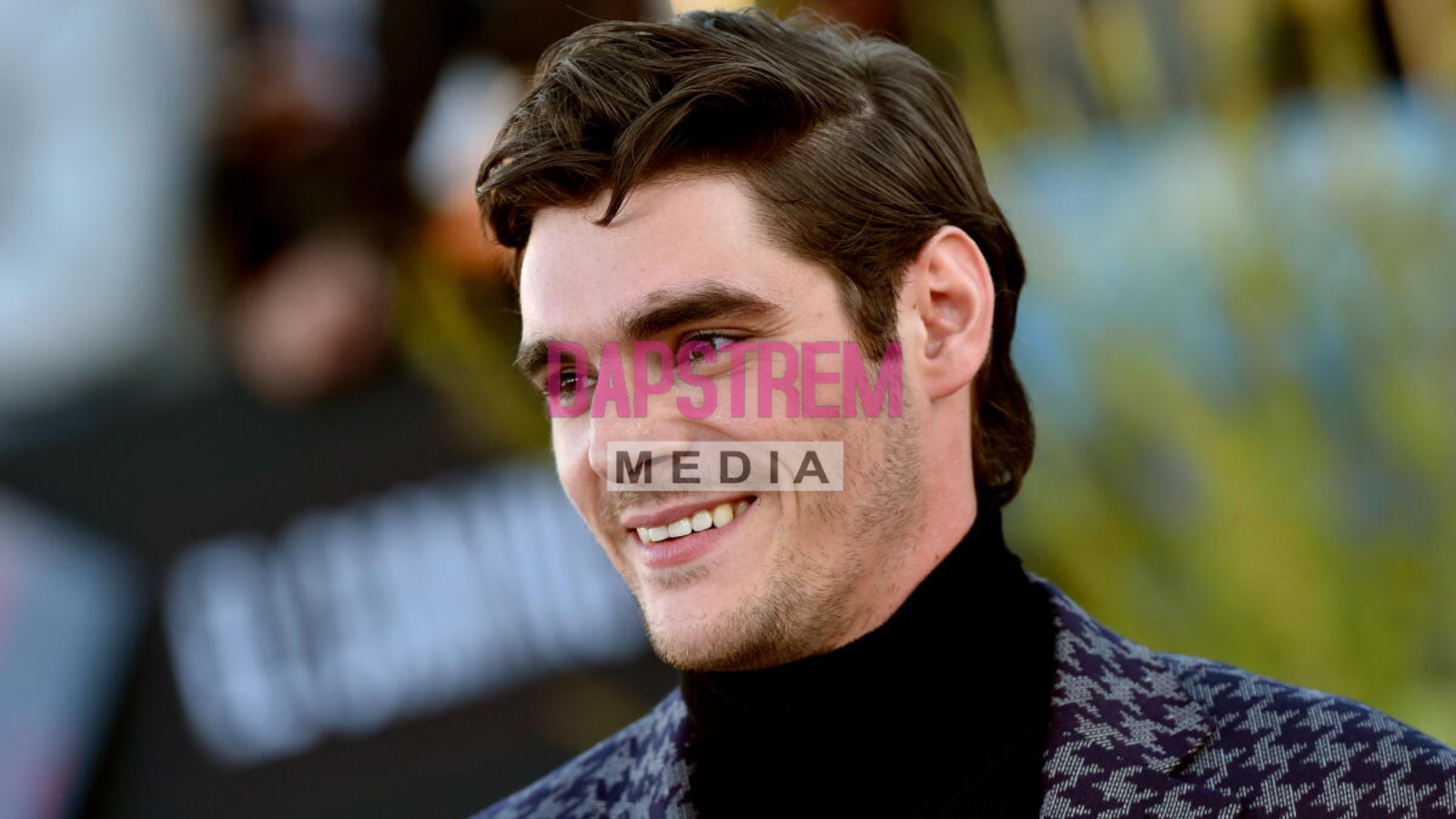
American actor RJ Mitte, best known for portraying Walter “Flynn” White Jr. in the acclaimed television drama Breaking Bad, has died at the age of 34, prompting an outpouring of grief from colleagues and renewed recognition of his work championing disability inclusion in the entertainment industry.
Mitte died on Monday, October 12, in Brownsville, Texas, according to his representatives and reports by Reuters and The Associated Press. His death was announced through a statement from his representatives, who described him as a beloved actor, philanthropist and passionate disability rights advocate.
The circumstances of his death have been reported as suicide by his representative, according to Reuters. Brownsville police, however, said the cause and manner of death were initially pending an investigation and medical examination. The formal findings had not been announced in the initial police account.
Mitte’s death has resonated beyond his television career. Through his work on Breaking Bad, he helped bring greater visibility to actors with disabilities, drawing on his own experience living with cerebral palsy to portray a character whose disability was part of his identity but did not define his entire life.
The role that made him a household name
Mitte rose to international recognition through his portrayal of Walter White Jr., the son of Walter White, played by Bryan Cranston, in Breaking Bad. The award-winning AMC series ran from 2008 to 2013 and followed a high-school chemistry teacher who enters the criminal drug trade after receiving a terminal cancer diagnosis.
Mitte appeared throughout all five seasons, featuring in 56 episodes. His character, known affectionately as Flynn, initially admired his father but later struggled to understand the destruction that Walter’s criminal activities brought upon their family.
His performance helped ground the show’s increasingly dark storyline in the experiences of a teenager confronting family breakdown and betrayal.

The role was particularly significant because Mitte, like the character he portrayed, had cerebral palsy, a neurological condition that can affect movement, muscle control and coordination.
Diagnosed at the age of three, Mitte drew on his own experiences to portray Walter Jr. authentically. He used forearm crutches and modified his speech for the role, bringing attention to disability without reducing his character to a diagnosis.
The series earned widespread critical acclaim, winning 16 Emmy Awards during its run. Mitte’s contribution became an important part of its ensemble performance and enduring cultural influence.
Cranston and co-stars pay tribute
Cranston, who played Mitte’s on-screen father, expressed profound grief following news of the actor’s death.
In a tribute shared on social media, Cranston described Mitte as a talented young actor and a vocal advocate for performers with disabilities. He recalled watching Mitte grow during the filming of Breaking Bad and praised his determination throughout the demanding production schedule.
Cranston also revealed that the two had exchanged messages only weeks earlier while discussing the possibility of meeting for lunch.
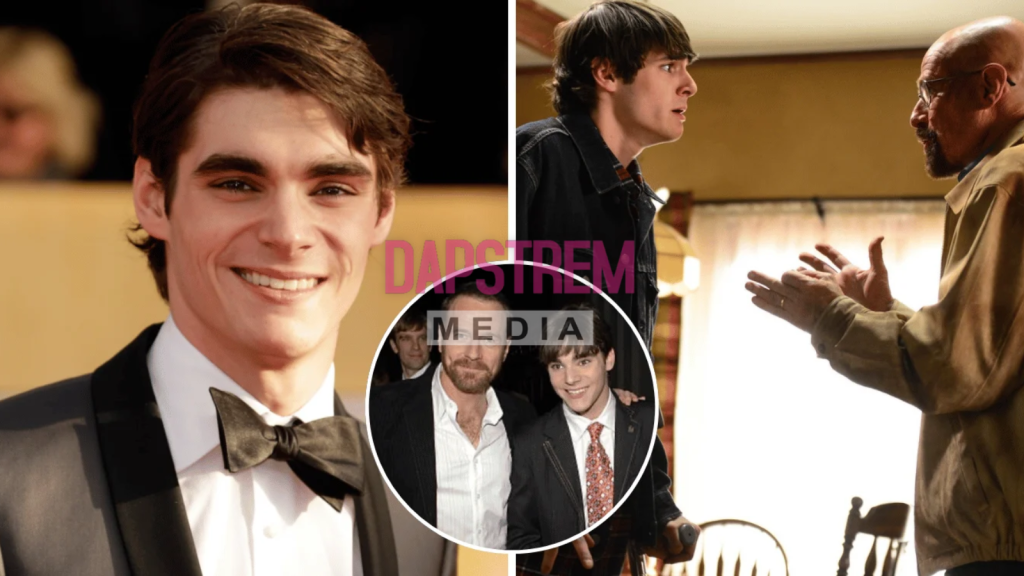
The actor’s tribute conveyed the personal loss behind their professional relationship, which had continued beyond the end of the series.
Dean Norris, who portrayed Hank Schrader, Walter White’s brother-in-law, also remembered Mitte warmly, describing him as a young man he had looked out for during filming.
Aaron Paul, who played Jesse Pinkman, expressed heartbreak over the news and shared a message of support for people experiencing emotional difficulties.
The tributes highlighted the connections Mitte maintained with members of the cast long after the television series concluded.
Beyond television: A voice for disability inclusion
Mitte’s influence extended well beyond his best-known role. He became an advocate for more opportunities for people with disabilities in film and television, challenging an industry in which disabled characters have often been portrayed by non-disabled actors.
He served as a spokesman for performers with disabilities through the Screen Actors Guild and as an ambassador for United Cerebral Palsy and Shriners Children’s.
He also served as president of the Mitte Foundation, which supported philanthropic initiatives and community projects.
His advocacy drew on personal experience. Born in Jackson, Mississippi, Mitte experienced brain damage at birth and was diagnosed with cerebral palsy as a young child. He underwent physical therapy and used braces and crutches during much of his childhood.
Rather than allow his diagnosis to limit his ambitions, he pursued acting after moving to Los Angeles as a teenager.
His career helped demonstrate that disability need not prevent performers from undertaking demanding roles or building sustained careers in the entertainment industry.
His work also contributed to wider discussions about authentic representation, accessibility and the importance of giving disabled actors opportunities to tell their own stories.
A career that continued beyond Breaking Bad
Although Walter White Jr. remained his defining role, Mitte continued to work across television and film.
His credits included Switched at Birth, the superhero satire The Guardians of Justice, and films such as The Recall and The Oak Room.
In Standing Up for Sunny, released in 2019, he played a stand-up comedian with cerebral palsy. He also appeared in Triumph, a 2021 coming-of-age drama centred on a high-school wrestler with the condition.
These roles continued a pattern of performances that placed disability within broader human stories about ambition, relationships and personal development.
Mitte had also been promoting a new film, Talking to Strangers, in the days before his death. He appeared at a screening in Beverly Hills on September 30, 2026, and discussed his career and experiences in recent media appearances, according to entertainment-industry reports.
His recent professional activity has made the news particularly difficult for fans and colleagues to process, although public appearances alone cannot establish what a person may be experiencing privately.
Questions remain over the circumstances of his death
Brownsville police confirmed that officers responded to a call at Mitte’s home on October 12 and found him dead. A local justice of the peace pronounced him dead later that afternoon.
While his representative confirmed reports that his death was suicide, police initially stated that the official cause and manner remained subject to investigation and medical examination.
Authorities had not reported evidence of foul play in the initial account carried by PEOPLE. Further details about the circumstances surrounding his death were not immediately available.
The distinction matters as investigators complete their work and the public awaits formal findings. Neither the actor’s disability nor any other aspect of his personal history should be treated as an explanation for his death without reliable evidence.
His representatives have asked the public to respect the privacy of his family and loved ones during their bereavement.
Remembering RJ Mitte
Mitte’s death at 34 has left a significant gap in the Breaking Bad community and among advocates working to improve disability representation.
His career demonstrated that an actor with a disability could take on a prominent role in one of television’s most celebrated dramas while also using the resulting visibility to challenge stereotypes and encourage greater inclusion.
For many viewers, he will remain Walter White Jr., the teenager caught between admiration for his father and the painful discovery of his family’s secrets. For others, his legacy will be defined by his efforts to make the entertainment industry more accessible to disabled performers.
His representatives’ tribute captured both sides of that legacy, remembering an actor whose work entertained audiences and whose advocacy sought to make the industry more representative.
As colleagues, fans and disability-rights organisations mourn his passing, attention is turning to the work he leaves behind and the conversations he helped advance about representation, opportunity and human dignity.