One in Eight Cancer Cases Worldwide Linked to Infections as Researchers Urge Greater Focus on Vaccination, Early Detection and Prevention
A new global study has revealed that approximately one in eight new cancer cases is linked to an infection, highlighting the important role that vaccination, early diagnosis and treatment could play in reducing the worldwide cancer burden.
The research, published in The Lancet Oncology on September 28, 2026, estimates that infections were responsible for approximately 2.3 million new cancer cases worldwide in 2024. This represented about 12 per cent of all new cancer diagnoses recorded in the study’s global estimates.
The findings were produced by researchers from the International Agency for Research on Cancer (IARC), a specialised agency of the World Health Organization (WHO). The team analysed global cancer estimates and examined 12 infectious agents known to cause cancer in humans. Their findings provide an updated picture of how bacteria, viruses and parasites contribute to cancer across different countries and regions.
The results are significant because some infection-related cancers can be prevented through existing public health measures. Vaccines, screening programmes, diagnostic testing and effective treatment can reduce the risk associated with several of the infections identified in the research.
Although cancer is often associated with ageing, genetics, tobacco use, alcohol consumption and lifestyle factors, the study demonstrates that infections also contribute substantially to the disease. It highlights an important area of prevention, particularly in countries where access to vaccination, screening and treatment remains limited.
The findings do not mean that every person who contracts an infection will develop cancer. Instead, they show that certain infections can trigger biological changes that increase the risk of specific cancers, sometimes after many years.
Five Major Infections Account for Most Cases
The study identified five major infectious causes responsible for the largest share of infection-related cancers: Helicobacter pylori bacteria, human papillomavirus (HPV), hepatitis B virus, Epstein-Barr virus and hepatitis C virus.
According to the researchers, Helicobacter pylori, commonly known as H. pylori, accounted for approximately 760,000 cancer cases worldwide in 2024. HPV followed closely, with an estimated 750,000 cases.
Hepatitis B virus was associated with approximately 360,000 cases, while Epstein-Barr virus accounted for about 260,000. Hepatitis C virus was linked to an estimated 160,000 cases.
Together, these five infectious agents accounted for the vast majority of the estimated cancer cases associated with infections. The remaining cases were linked to other recognised cancer-causing infectious agents, including HIV and certain parasites.
The findings underline the need for greater awareness of the relationship between infections and cancer. Many people may be familiar with cancer risks associated with smoking or alcohol, but fewer understand that certain infections can also contribute to the development of the disease.
How H. pylori can contribute to cancer
H. pylori is a bacterium that can infect the stomach and may persist for years without causing obvious symptoms. In some people, it leads to chronic inflammation of the stomach lining, ulcers and other complications.
Long-term infection can damage the stomach lining and contribute to changes that increase the risk of stomach cancer. The bacterium is also associated with certain forms of gastric lymphoma.
Researchers estimated that H. pylori was responsible for around four per cent of all new cancer cases worldwide in 2024, making it the leading infectious cause of cancer in the study.
The infection is common in many parts of the world, although prevalence varies between populations. Factors such as living conditions, sanitation and access to healthcare can influence how widely it spreads.
H. pylori infection can be diagnosed through appropriate medical tests, and treatment generally involves a combination of antibiotics and medicines that reduce stomach acid. A healthcare professional determines the appropriate treatment based on the patient’s circumstances and local medical guidance.
However, not everyone infected with H. pylori develops stomach cancer. The risk depends on several factors, including the characteristics of the infection and the individual’s wider health circumstances.
The study’s findings reinforce the importance of improving access to diagnosis and treatment, particularly in populations where stomach cancer remains a major health concern.
HPV remains a major cause of preventable cancer
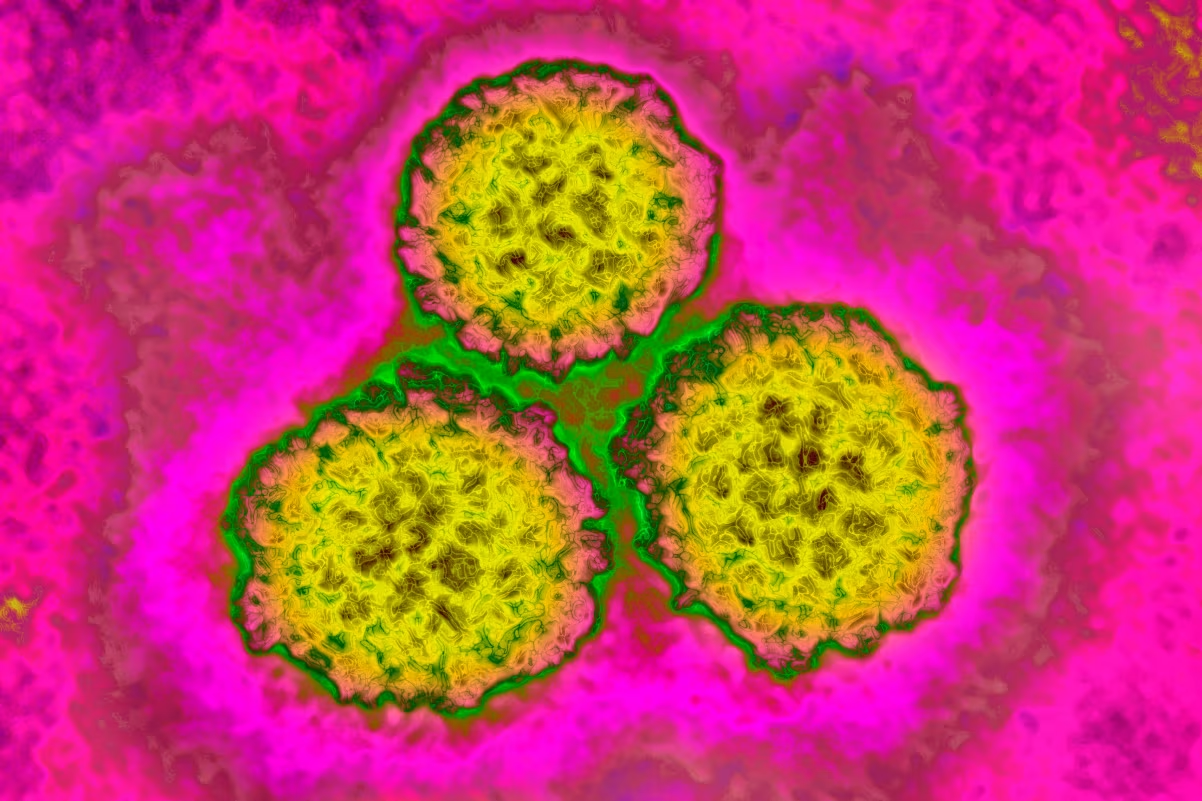
Human papillomavirus is another major contributor to the global burden of infection-related cancer.
HPV refers to a group of viruses that can spread through intimate skin-to-skin contact. Some types cause warts, while others are classified as high-risk because persistent infection can lead to cancer.
HPV is responsible for nearly all cases of cervical cancer. It can also cause cancers affecting the anus, penis, vulva, vagina and parts of the throat.
The study estimated that HPV was associated with approximately 750,000 new cancer cases in 2024, placing it among the largest infectious contributors to cancer worldwide.
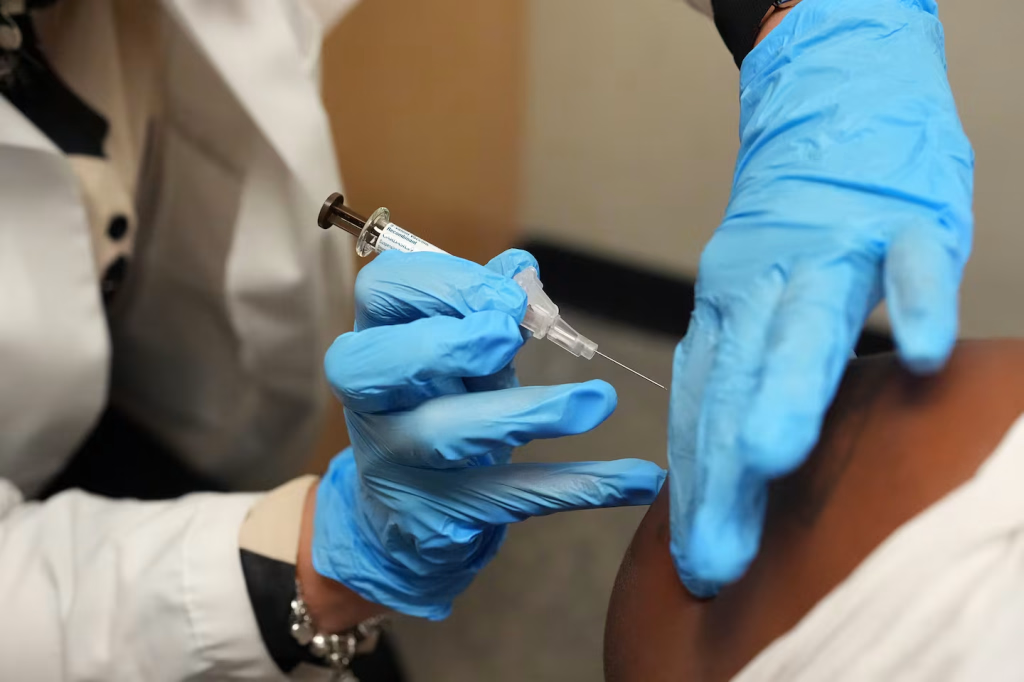
One of the most important tools for reducing HPV-related cancer is vaccination. HPV vaccines protect against the virus types responsible for most cervical cancer cases and can also prevent other HPV-related cancers.
Vaccination is most effective when administered before exposure to the virus, which is why many public health programmes target children and adolescents. Eligibility and vaccination schedules depend on national health guidelines.
Screening is also essential. Cervical screening can identify high-risk HPV infections or precancerous changes before they progress into cancer. Appropriate follow-up and treatment can prevent many cases from developing.
The combination of vaccination and screening offers a powerful opportunity to reduce cervical cancer deaths and the wider burden of HPV-related disease.
Hepatitis infections and liver cancer
Hepatitis B and hepatitis C are viral infections that affect the liver. Both can cause long-term inflammation and damage, increasing the risk of cirrhosis and liver cancer.
The study linked hepatitis B to approximately 360,000 cancer cases worldwide in 2024. Hepatitis C accounted for a further estimated 160,000 cases.
Hepatitis B can spread through infected blood and certain body fluids, including during childbirth from an infected mother to her baby. It can also spread through unsafe injections, contaminated equipment and unprotected sexual contact.
A safe and effective vaccine is available for hepatitis B. Vaccination, including timely birth-dose vaccination for newborns under national recommendations, can help prevent infection and its long-term complications.
Hepatitis C is primarily transmitted through exposure to infected blood. There is currently no widely available vaccine against it, but modern antiviral medicines can cure most infections.
Testing is important because both infections can remain undetected for years. People who do not know they are infected may miss opportunities for medical monitoring and treatment.
For those living with chronic hepatitis B, ongoing care can help manage the infection and reduce the risk of complications. People with hepatitis C can benefit from testing and treatment that clears the virus.
These measures demonstrate how infection control can contribute to cancer prevention, even when the disease itself may take many years to develop.
Epstein-Barr virus and other cancer-causing infections
Epstein-Barr virus, commonly known as EBV, is another infectious agent identified in the research. It is widespread globally, and many people become infected during their lifetime.
The virus is best known as a cause of infectious mononucleosis, sometimes called glandular fever. However, EBV is also associated with several cancers, including certain lymphomas, nasopharyngeal cancer and some stomach cancers.
Researchers attributed approximately 260,000 cancer cases to EBV in 2024. The distribution of these cancers varies considerably between regions.
Unlike HPV and hepatitis B, EBV does not currently have an approved preventive vaccine. Researchers are continuing to investigate ways to prevent EBV infection or reduce its contribution to cancer.
The study also considered other infectious agents, including HIV, Kaposi’s sarcoma-associated herpesvirus, Merkel cell polyomavirus, human T-cell lymphotropic virus and certain parasitic infections.
These agents do not all cause cancer in the same way. Some interfere with immune function, while others can contribute to persistent inflammation or changes in infected cells. Certain parasitic infections are associated with specific cancers in areas where those parasites are prevalent.
By including a wider range of recognised cancer-causing infections, the research offers a more comprehensive assessment of the relationship between infectious diseases and cancer.
Sub-Saharan Africa Faces a Significant Burden
The findings are particularly relevant to low- and middle-income countries, where infection-related cancers account for a substantial share of the total cancer burden.
According to reporting on the study, more than three-quarters of infection-related cancer cases occurred in low- and middle-income countries. Sub-Saharan Africa recorded one of the highest proportions of new cancers attributable to infections, with approximately one in four cases in the region linked to infectious agents. HPV-related cancers contributed significantly to this burden.
The figures highlight differences in access to healthcare, vaccination, screening and treatment. While infection-related cancers can occur in every region, their impact is influenced by whether people can obtain preventive services and receive timely medical attention.
In some communities, people may have limited access to HPV vaccination or cervical screening. Others may not know they have hepatitis B or C until complications develop. Delays in diagnosis can make it harder to manage disease and reduce the risk of cancer.
Healthcare systems also face challenges in providing sufficient diagnostic facilities, trained medical personnel and affordable treatment. These barriers can be particularly difficult for people living in rural areas or households that struggle to meet healthcare costs.
The research suggests that improving access to proven prevention measures could make a meaningful difference. Expanding vaccination, testing and treatment services could help reduce the number of people who develop cancers associated with infections.
However, regional estimates should not be interpreted as meaning that every country in sub-Saharan Africa has the same cancer burden. Infection prevalence, health services and cancer patterns vary considerably between countries and communities.
The findings instead provide a broader warning that prevention programmes need to reflect the health needs of individual populations.
What the Findings Mean for Kenya
For Kenya, the research highlights the importance of strengthening efforts to prevent and detect cancers associated with infections.
HPV vaccination and cervical cancer screening are particularly important because cervical cancer remains a major public health concern in many African countries. Vaccinating eligible children and adolescents, alongside screening and treatment for adults, can help reduce the number of people who develop the disease.
Public awareness is also essential. People need reliable information about how HPV spreads, why vaccination matters and how cervical screening can identify early changes before they become cancerous.
Hepatitis B prevention is another important priority. Vaccination, safe medical practices, appropriate testing and access to treatment can help prevent long-term liver damage and reduce the risk of liver cancer.
Healthcare providers can also help by identifying people who may benefit from testing for hepatitis or H. pylori and ensuring that those diagnosed receive appropriate care.
The study does not provide a single estimate for the number of Kenyan cancer cases attributable to infections. Its global findings should therefore not be presented as a Kenya-specific statistic. Nevertheless, the results reinforce the need to use local cancer data to identify the infections and cancer types that should receive priority in prevention programmes.
Public health campaigns can also help address misinformation and reduce stigma. People should understand that contracting an infection is not proof of wrongdoing, and that a diagnosis should prompt appropriate healthcare rather than discrimination.
Improving access to screening and treatment is particularly important for people who may delay seeking medical help because of cost, distance, fear or limited information.
The broader message for Kenya is that cancer prevention should not focus only on treatment after a tumour develops. Preventing infections, detecting them early and treating them appropriately can also form part of a long-term strategy to reduce the number of cancer cases.
Vaccination, Testing and Treatment Could Prevent Many Cases
One of the most important conclusions from the research is that several of the infectious causes of cancer can be addressed using established public health measures.
HPV and hepatitis B vaccines are among the most important preventive tools. When vaccination programmes reach eligible populations, they can reduce infections associated with specific cancers.
Testing and treatment also play a significant role. Detecting hepatitis B and C allows healthcare professionals to assess patients and provide appropriate care. Identifying and treating H. pylori infection in suitable patients can reduce the risk of certain stomach-related complications.
For HPV, cervical screening can identify high-risk infections and precancerous changes. Treatment of these changes can prevent some from progressing to invasive cancer.
The researchers also highlighted the need for safe injection practices, measures to prevent HIV transmission and continued investment in new prevention tools.
These measures require cooperation between governments, healthcare providers, researchers and communities. Health authorities must ensure that vaccines and diagnostic services are available, while public awareness campaigns can help people understand their options.
At the same time, prevention programmes must be based on scientific evidence and adapted to local conditions. Not every infection requires the same approach, and not every cancer can be prevented through vaccination or treatment of an infection.
Cancer also has many other causes, including tobacco use, alcohol consumption, obesity, environmental exposures, inherited genetic factors and ageing. Infection control is an important part of cancer prevention, but it is not a complete solution on its own.
The researchers’ findings nevertheless show that addressing infectious diseases could prevent a substantial number of cancers worldwide.
Why Early Diagnosis Remains Important
Although prevention is central to the study’s message, early diagnosis remains vital for people who have already developed an infection or cancer.
Some cancer-causing infections produce few or no symptoms for long periods. People may therefore be unaware that they have an infection that requires monitoring or treatment.
For example, chronic hepatitis can remain undetected until liver damage becomes advanced. Persistent HPV infection may cause no obvious symptoms, making recommended cervical screening especially important.
People should follow national screening recommendations and seek medical advice when they have concerns. Screening schedules differ according to age, medical history and the condition being assessed, so individual decisions should be made with qualified healthcare professionals.
The public should also avoid assuming that a lack of symptoms means there is no risk. At the same time, testing positive for an infection associated with cancer does not mean a person will inevitably develop cancer.
Medical assessment helps establish the appropriate next steps, which may include treatment, monitoring or additional testing.
Early detection can improve the chances of successful treatment for many cancers. Combined with prevention, it remains a critical part of reducing illness and deaths.
A Call for Greater Investment in Cancer Prevention
The study arrives as health systems around the world continue to face the challenge of rising cancer cases and unequal access to care.
Its findings suggest that cancer prevention efforts could achieve more by integrating infectious disease services with broader cancer control strategies.
Governments can expand access to vaccines, improve diagnostic services and support treatment programmes. They can also strengthen cancer registries, which help researchers understand where cases occur and which interventions are most needed.
Research remains important, particularly for infectious agents such as EBV for which preventive vaccines are not yet available. Better evidence can help scientists develop new tools and determine which interventions offer the greatest public health benefits.
For lower-income countries, international cooperation and sustainable funding can help make preventive services more accessible. Investment is needed not only to develop vaccines and medicines but also to deliver them to people who need them.
The benefits of prevention extend beyond cancer. Vaccinating against hepatitis B, treating hepatitis C and improving infection control can also reduce other serious health complications.
The research therefore presents an opportunity to rethink cancer prevention as part of a wider public health effort, rather than treating infectious diseases and cancer as entirely separate challenges.
Ultimately, the finding that roughly one in eight new cancers was attributable to infections in 2024 is both a warning and an opportunity. It demonstrates the substantial contribution of infectious diseases to cancer, but it also points to practical ways of reducing that burden.
Vaccination, screening, testing and treatment are already available for several of the infections involved. Expanding access to these measures could help prevent future cases, particularly in populations that face the greatest barriers to healthcare.
The researchers’ message is clear: controlling cancer-causing infections should be an essential part of global cancer prevention. With better access to proven interventions and continued investment in research, many people could be protected from cancers linked to infections.