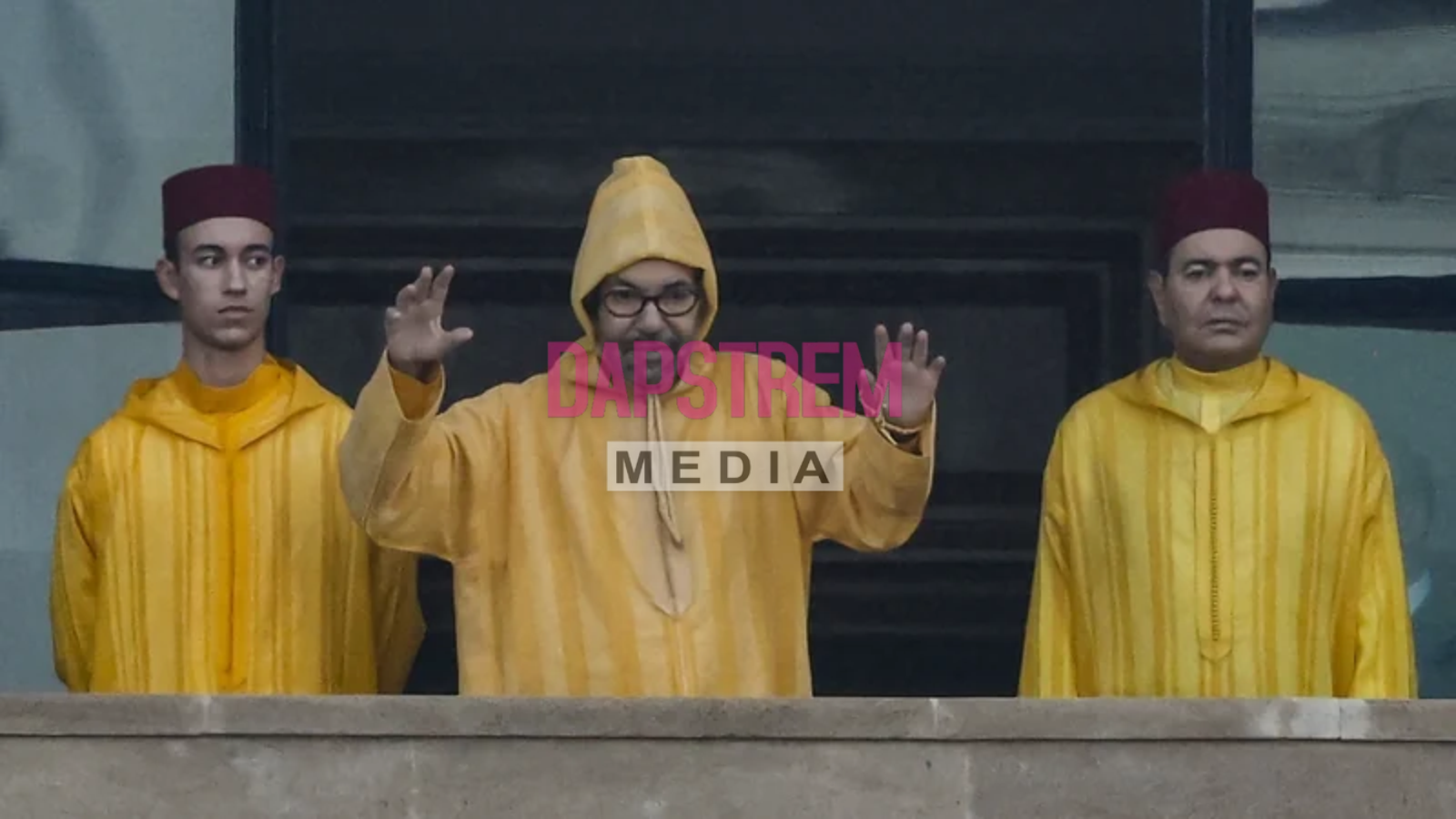
A Moroccan court has sentenced a 22-year-old cartoonist to four years in prison for publishing caricatures of King Mohammed VI on social media, sparking renewed debate over freedom of expression, artistic independence and the limits of criticism of the monarchy.
Yasser Mounbir was also ordered to pay a fine of 40,000 Moroccan dirhams (approximately $4,000) after being convicted of insulting the king and public officials, according to his lawyer, Farouk Mehdaoui.
The verdict, delivered by a court in Casablanca, has attracted attention from human rights advocates, who have called for the young artist’s release and questioned the use of criminal penalties against individuals expressing political or artistic views.
Mounbir’s defence team has announced plans to appeal the ruling, arguing that the case raises serious concerns about the protection of artistic expression.
The cartoonist was arrested in June 2026 following the publication of drawings depicting King Mohammed VI on his Instagram account. His prosecution has since become a focal point in discussions about the legal restrictions governing criticism of Morocco’s monarchy.
A Case That Revives Debate Over Freedom of Expression
The case has drawn criticism from the Moroccan Association for Human Rights, which has called for Mounbir’s release, maintaining that artistic representations of public figures, including the head of state, fall within the scope of freedom of expression.
The organisation’s intervention has added to growing concerns among rights advocates about the use of criminal laws to prosecute individuals over online commentary and criticism of public institutions.
In September, Le Monde reported that Mounbir had already spent three months in detention and that his supporters had organised a petition demanding his release. The campaign attracted hundreds of signatories, including journalists, academics, former politicians and human rights activists.
Hakim Sikouk, an official with the Moroccan Association for Human Rights, argued that drawings criticising the head of state should be protected as an exercise of freedom of expression.
What Moroccan Law Says About Insulting the King
At the centre of the controversy is Article 179 of Morocco’s Penal Code, which criminalises defamation, insults and violations of the king’s privacy.
The provision prescribes prison sentences ranging from six months to two years, with penalties capable of being doubled when the alleged offence is committed electronically.
The legislation effectively gives the monarch special legal protection against certain forms of public criticism, including material circulated through social media platforms.
Mounbir’s case has therefore renewed scrutiny of how the law is applied, particularly where artistic satire and political commentary are involved.
While Moroccan authorities prosecuted him under provisions relating to insulting the king and public officials, human rights campaigners argue that imprisonment for satirical drawings raises questions about the proportionality of criminal punishment.
Wider Concerns Over Crackdown on Critical Voices
Mounbir’s conviction comes against a backdrop of other prosecutions involving Moroccan artists and public commentators.
According to Le Monde, rapper Tarek Tazi, popularly known as T-Flow, was sentenced to 10 months in prison in September over allegations of insulting the government.
Another rapper, Jawad Asradi, known professionally as Pause Flow, received a three-month suspended sentence over remarks concerning the police.
The cases have contributed to concerns among activists about the space available for artistic expression, political criticism and dissent in the North African kingdom.
International Human Rights Implications
Morocco is a party to the International Covenant on Civil and Political Rights, whose Article 19 protects the right to freedom of expression, including the freedom to seek, receive and impart information and ideas.
Although international human rights law recognises that freedom of expression may be subject to certain restrictions, such limitations must meet requirements of legality, necessity and proportionality.
The debate surrounding Mounbir’s conviction consequently extends beyond the courtroom, touching on the balance between protecting public institutions and safeguarding the right of citizens to express critical opinions through art and other forms of communication.
For Morocco’s artistic community and human rights advocates, the outcome could have wider implications for the boundaries of political satire and public criticism in the country.