Germany is facing renewed concerns over public order after youth-led demonstrations against rising living costs, poor education facilities and compulsory military service descended into violence, with masked rioters looting shops, torching barricades and attacking police officers in several cities.
The unrest erupted on Saturday, October 31, 2026, following nationwide demonstrations organised by the youth campaign group Gen Z regelt, loosely translated as “Gen Z takes charge”.
While tens of thousands of young people took to the streets to demand better living conditions and greater government investment in public services, the demonstrations were largely peaceful during the day before violence broke out in the evening, particularly in Frankfurt.
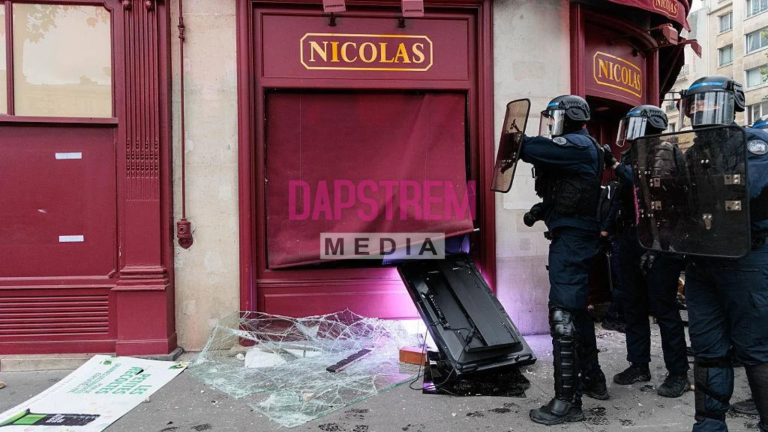
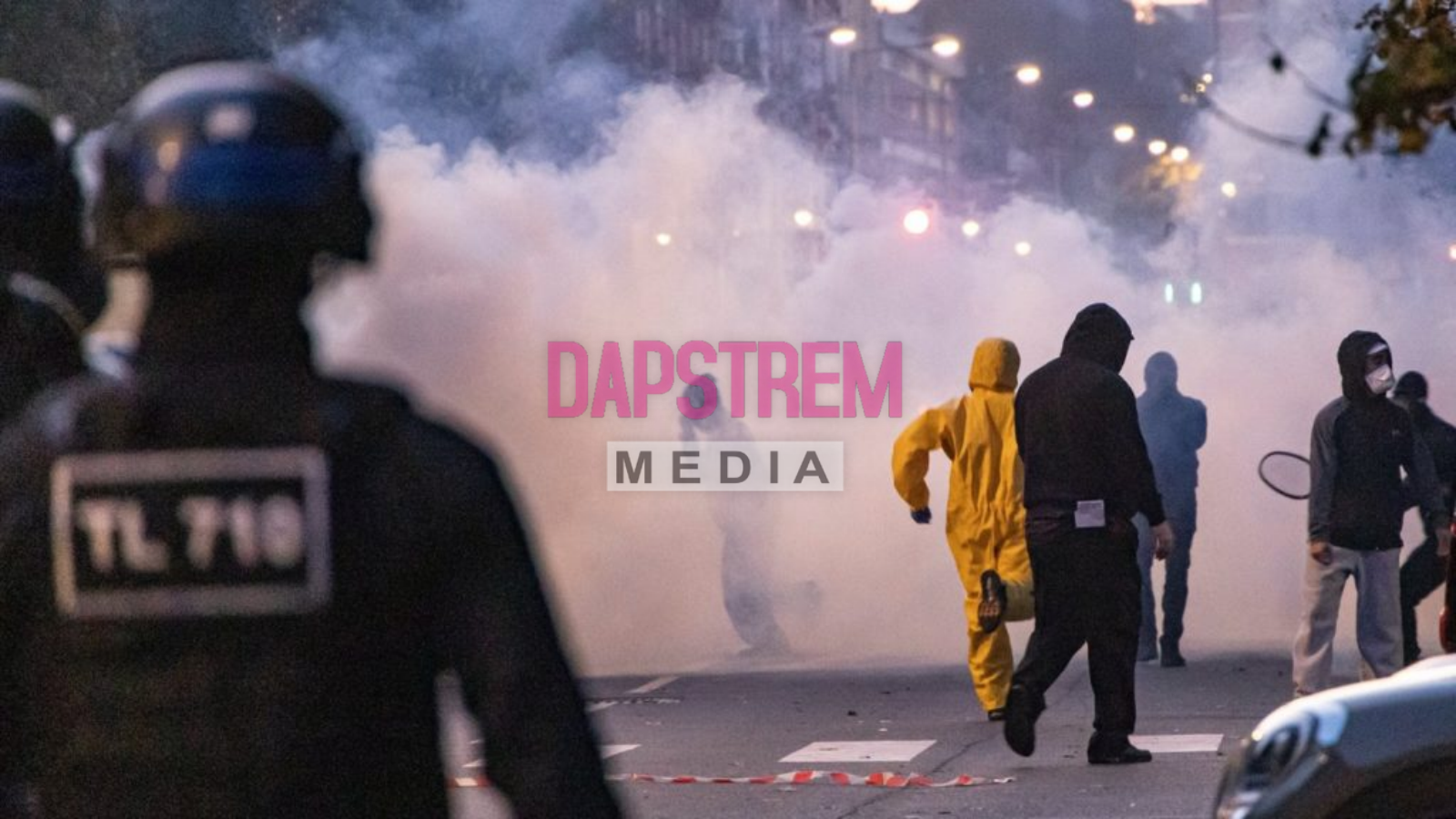
Frankfurt, Germany’s financial capital, became the main centre of the unrest, with hooded individuals smashing shop windows, stealing merchandise and throwing petrol bombs, stones and bottles at emergency personnel.
According to Hesse Interior Minister Roman Poseck, 17 shops were damaged, five of which were looted. Police deployed approximately 1,300 officers to contain the violence, while more than 100 officers were reportedly injured.
Authorities also arrested 54 people aged between 13 and 29 in connection with the disturbances.
The violence prompted German political leaders to promise tougher action against those involved, warning that attacks on law enforcement officers and the destruction of private property would attract serious consequences.
Frankfurt Bears the Brunt of the Violence
The situation deteriorated rapidly in Frankfurt as masked individuals targeted businesses along the city’s central shopping district, Zeil.
Several shops had their windows smashed, with merchandise including trainers and other goods stolen. A gun shop was also attacked, prompting police to intervene and recover two weapons from the premises.
Police reported that emergency responders came under attack from individuals throwing petrol bombs, fireworks, stones and bottles.
Authorities were forced to deploy water cannons and pepper spray to disperse violent groups and restore order.
Poseck described the scenes as unacceptable, warning that those responsible would face legal consequences.
The unrest also raised concerns about the safety of businesses and residents, with some retailers having boarded up their windows or closed early in anticipation of possible violence.
Violence Spreads to Berlin, Hamburg and Cologne
Frankfurt was not the only city affected by the disturbances.
In Berlin, police reported that 27 officers sustained minor injuries during clashes associated with separate demonstrations following the youth protests.
A rally at the Brandenburg Gate, which attracted approximately 5,000 participants, was described by police as largely peaceful. However, another gathering involving approximately 3,500 people was marred by criminal incidents, including property damage, assaults and violations of weapons and explosives regulations.
In Hamburg, demonstrators reportedly set barricades on fire and attacked police officers with stones, bottles and fireworks. Authorities responded with water cannons as they attempted to disperse the crowds.
Cologne also witnessed confrontations between police and groups accused of attacking emergency services after an earlier demonstration had been brought to an end.
The incidents highlighted the challenges facing German authorities in distinguishing peaceful demonstrators from individuals who exploit public gatherings to engage in criminal activities.
What Sparked the Gen Z Demonstrations?
Despite the violence, the protests were initially organised around concerns affecting Germany’s younger generation.
The campaign, organised by Gen Z regelt, brought together demonstrators in 34 German cities, with organisers reporting approximately 120,000 participants.
Their demands included increased investment in education, improved healthcare services, affordable living conditions and a fairer distribution of the country’s economic burden.
Young people also expressed opposition to compulsory military service, amid concerns that Germany’s efforts to increase military recruitment could eventually lead to a return of conscription.
Many protesters argued that political leaders were prioritising other spending commitments while schools, universities and public services continued experiencing financial difficulties.
In Berlin, demonstrators highlighted deteriorating school infrastructure, inadequate learning facilities and shortages of teachers.
The movement also criticised government spending cuts, arguing that young people would bear the long-term consequences of decisions made by the current political leadership.
A spokesperson for the campaign, Lina Friedrich, said the demonstrations were intended to demand peace, freedom, better education and improved support for public services.
Organisers Distance Themselves From Violence
Following the disturbances, organisers of Gen Z regelt rejected attempts to associate their campaign with the looting and attacks on police.
The movement maintained that its demonstrations were intended to remain peaceful and accused violent individuals of undermining the legitimate concerns raised by young people.
Germany’s national school student umbrella organisation also distanced itself from the campaign, indicating plans to organise a separate demonstration on November 20.
The question of who participated in the violence and whether extremist groups deliberately infiltrated the demonstrations has since become a subject of investigation.
Hesse Interior Minister Poseck alleged that left-wing extremists had infiltrated the Frankfurt gathering, while Federal Interior Minister Alexander Dobrindt also blamed left-wing groups and individuals from immigrant backgrounds.
However, the broader allegations about the involvement of particular communities were not accompanied by publicly presented evidence identifying specific organisations or establishing responsibility for the violence.
German Government Promises Tough Action
The violence has prompted senior government officials to call for tougher action against those responsible for attacking police officers, looting businesses and destroying public property.
Dobrindt said authorities would identify perpetrators and ensure they faced appropriate legal consequences.
Poseck similarly warned that the state would not tolerate attacks on emergency personnel or the destruction of businesses.
The police investigations are expected to establish the individual responsibilities of those arrested and determine whether organised extremist networks played a role in the disturbances.
A Wider European Youth Movement
Germany’s unrest comes amid a broader wave of youth-led demonstrations across Europe, with young people increasingly taking to the streets over economic pressures, public spending priorities and concerns about their political future.
France has also experienced weeks of demonstrations, with some gatherings resulting in clashes, vandalism and looting.
The developments have placed renewed attention on the challenges facing European governments as younger generations demand greater representation in decisions concerning education, employment, economic opportunities and public services.
For Germany, however, the immediate challenge remains restoring public order while ensuring that peaceful demonstrations remain protected.
Although the violence has overshadowed parts of the nationwide campaign, the underlying concerns about living costs, education and military service remain central to the movement.
The events have also reignited debate over how authorities can address legitimate public grievances without allowing violent groups to turn peaceful demonstrations into scenes of destruction.