Mbappe Loses Chinese Sponsors Over Mao Meme Controversy
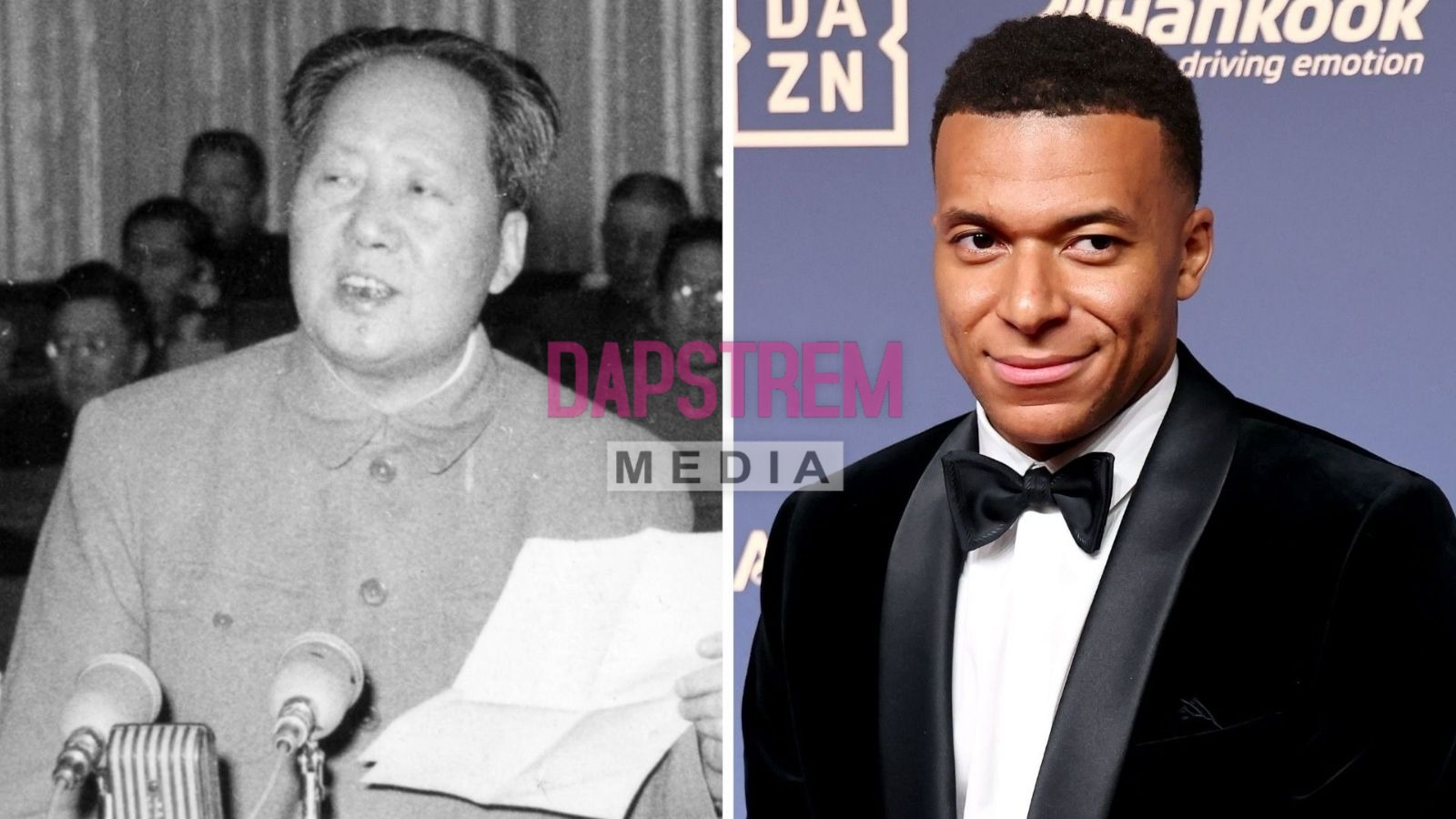
French football star Kylian Mbappé has lost commercial partnerships with at least three Chinese companies after a video circulated online showing him apparently referring to former Chinese leader Mao Zedong as a dictator.
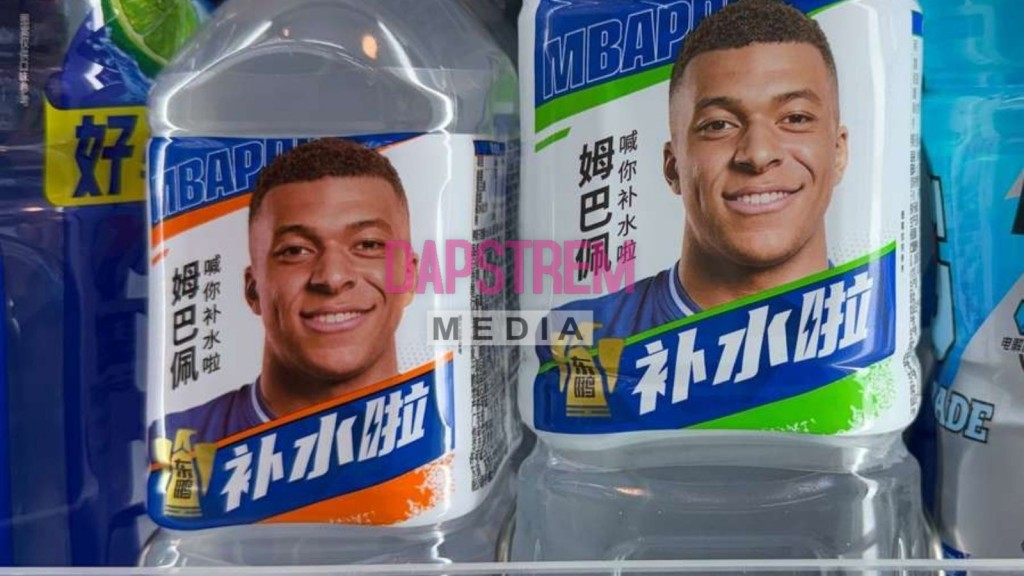
The controversy has affected the Real Madrid forward’s commercial relationships in China, where he has featured in advertising campaigns for major brands. Beverage manufacturer Dongpeng, dairy giant Mengniu and cheese producer Milkground announced on Tuesday, October 27, 2026, that they were ending their agreements with the French international.
The companies issued statements opposing conduct they considered offensive to Chinese national sentiment. Their announcements followed the circulation of a clip from a French online talk show in which Mbappé discussed an internet meme depicting his face on Mao’s body.
China’s Foreign Ministry also weighed in on the controversy, with spokesperson Guo Jiakun saying that words and actions that hurt the feelings of the Chinese people would naturally face opposition from across Chinese society.
Mbappé later apologised for his remarks, saying he understood that they had upset people in China and Chinese communities around the world.
How the Controversy Started
The incident centres on a video that appeared to show Mbappé discussing his favourite internet memes during an interview connected to the French online talk show The Bridge.
In the clip, the footballer reportedly described a meme featuring his face edited onto the body of a man he thought was a Chinese dictator. The video then showed an altered image resembling Mao Zedong.
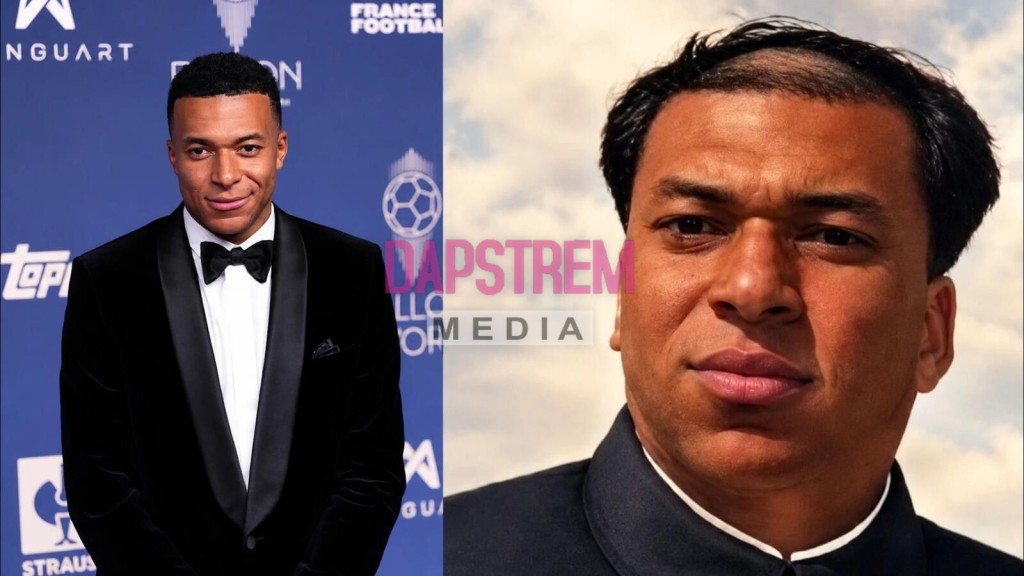
Mao was the founding leader of the People’s Republic of China and remains a significant historical figure in the country. Although his legacy is complex, references to him can be particularly sensitive in China, where jokes perceived as disrespectful towards the country’s history and political leadership can provoke strong reactions.
The clip spread across social media, prompting criticism from some Chinese internet users and drawing attention to the footballer’s commercial relationships in the country.
However, the video’s authenticity had not been independently verified by AFP Fact Check at the time of its initial reporting. The circumstances surrounding the recording should therefore be distinguished from the reaction to the clip and the confirmed announcements by the companies.
The controversy illustrates how a short online video can generate consequences extending beyond football, particularly when it involves a global celebrity with major commercial interests in an international market.
Three Chinese Companies End Their Partnerships
Three companies announced that they were ending their agreements with Mbappé following the backlash.
Dongpeng, a Chinese beverage manufacturer, had used the footballer in advertising campaigns for its electrolyte drink products. Mengniu, one of China’s major dairy producers, had also featured him in promotional material, including an advertisement alongside Argentine football star Lionel Messi.
Milkground, a Chinese cheese producer, was the third company reported to have ended its partnership with the French forward.
The companies’ statements emphasised opposition to words or actions they considered harmful to national sentiment. Their announcements came amid widespread discussion of the clip on Chinese social media.
The commercial consequences are significant because Mbappé’s international profile has made him attractive to brands seeking to reach football fans and younger consumers. His image has appeared in campaigns for products ranging from beverages to dairy goods.
The decisions by the three companies demonstrate the potential risks international brands and celebrities face when a public controversy clashes with the expectations of consumers in a particular market.
For companies operating in China, public reactions to sensitive historical and political subjects can become an important consideration in managing sponsorship agreements. For athletes, the incident highlights how their words outside competitive sport can affect commercial relationships.
China’s Foreign Ministry Responds
The controversy also attracted a response from China’s Ministry of Foreign Affairs.
Spokesperson Guo Jiakun said that words and actions that hurt the feelings of the Chinese people would naturally meet opposition from different sectors of Chinese society.
The remarks reflected the strong reaction that the clip had generated, although the ministry’s statement did not itself announce any commercial sanctions against Mbappé.
The issue also spread beyond the three companies. Chinese social media platform RedNote said it would remove promotional material connected to the footballer. The platform explained that its content partnership with Mbappé had ended on December 31, 2024, meaning the arrangement was not an active sponsorship when the controversy emerged.
The incident attracted attention on Weibo, where discussions about the companies ending their partnerships became trending topics.
The response showed how the controversy had moved from an online discussion about a meme to a broader debate involving brands, social media platforms and public officials.
Mbappé Apologises Over the Remarks
Following the backlash, Mbappé issued an apology on Tuesday, acknowledging that his comments had been poorly judged.
He said he now understood that his words had hurt many people in China and in Chinese communities around the world. He also expressed respect for the Chinese people and their history.
The apology represented a significant development in the controversy, which had already led to the termination of the three companies’ partnerships.
On Wednesday, China’s Foreign Ministry said it took the apology seriously. That response marked a further development in the public exchange, although it did not mean that the commercial agreements had been restored.
There was no immediate indication that Dongpeng, Mengniu or Milkground would reverse their decisions following the apology.
The episode raises questions about how international sports stars can navigate cultural differences while maintaining relationships with global sponsors. Athletes increasingly operate as commercial ambassadors whose public comments can reach audiences across different countries and political contexts.
For Mbappé, the apology addressed the offence caused by his remarks, but the future of his commercial relationships in China remains a separate matter.
What the Controversy Means for Mbappé
Mbappé is one of the most recognisable footballers in the world, with a profile extending well beyond his performances for Real Madrid and the French national team.
His popularity has made him a valuable figure for companies seeking international exposure. However, the loss of three Chinese brand partnerships demonstrates how quickly commercial arrangements can change when a public controversy emerges.
The incident also highlights the growing importance of social media in shaping the public image of athletes. A clip shared online can attract international attention, trigger public debate and place pressure on sponsors to respond.
For businesses, the challenge is balancing commercial interests with consumer expectations. For athletes, it is understanding that comments made in an informal or humorous setting may be interpreted differently by audiences in other cultural contexts.
The full commercial impact of the dispute remains unclear. What is established is that three Chinese companies announced the termination of their partnerships with Mbappé, the footballer apologised, and China’s Foreign Ministry acknowledged his apology.
As the situation develops, attention will remain on whether the apology helps ease the backlash and whether any of the affected commercial relationships change.
For now, the controversy serves as a reminder that the global reach of modern football brings both commercial opportunities and responsibilities for the athletes whose images represent international brands.