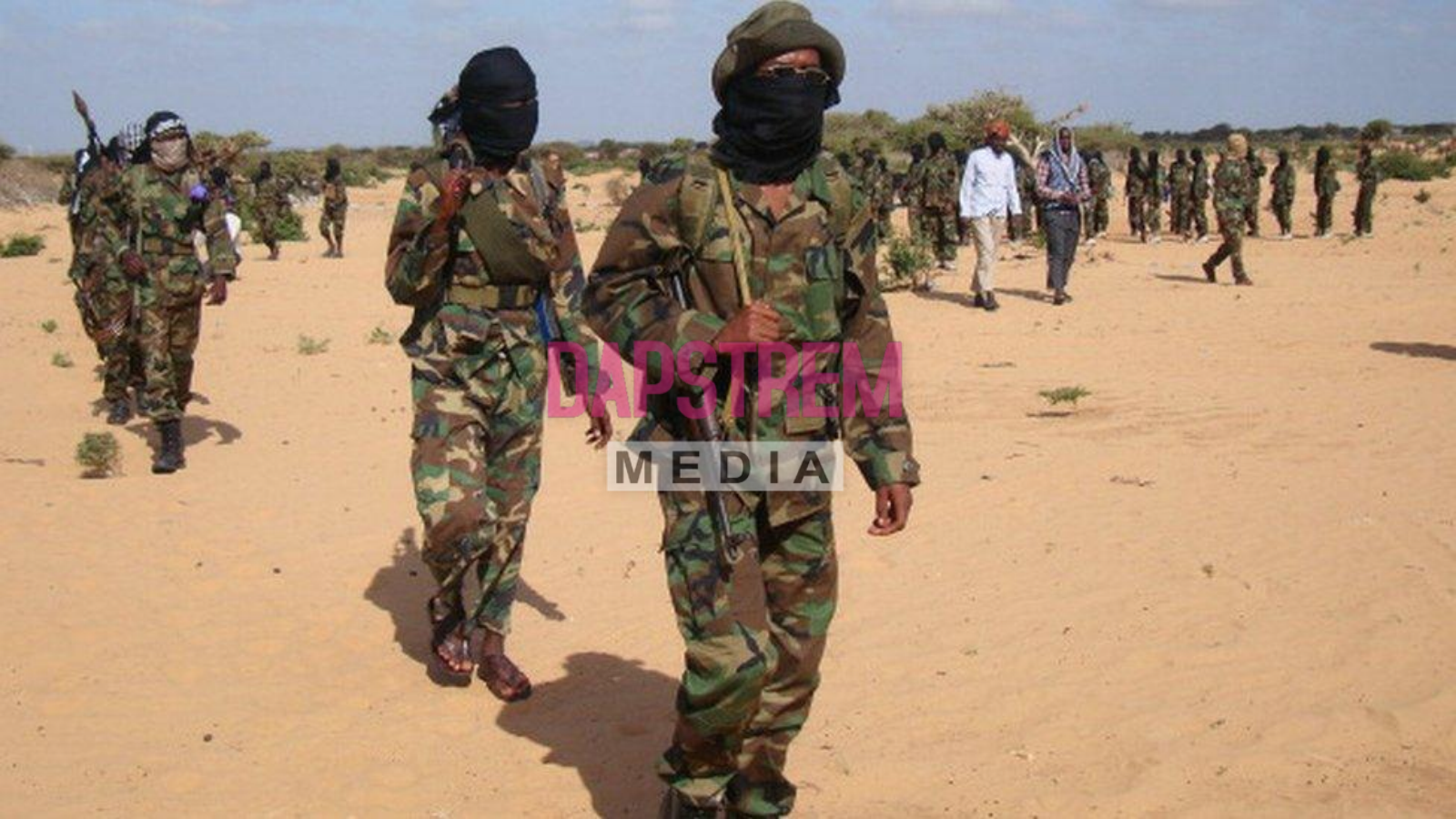
Dozens of Somali government soldiers were reportedly killed in a major battle with Al-Shabaab militants in southern Somalia, highlighting the continuing threat posed by the al-Qaeda-linked insurgent group despite years of military operations against it.
The fighting took place on Monday, October 26, in the Jameeco area of Buurhakaba district, in the Lower Shabelle region, according to Somalia’s defence ministry and reports from international news agency Reuters. The ministry said government forces killed approximately 75 militants and wounded another 56, but did not disclose the number of soldiers killed or injured.
Two Somali soldiers separately told Reuters that government forces had suffered heavy casualties during the confrontation. One soldier, identified as Ahmed, said he had helped transport 40 dead soldiers and more than 100 wounded personnel to hospitals in the capital, Mogadishu. Another soldier, identified as Farah, said vehicle-borne explosives destroyed five military vehicles.
The reported military losses could not be independently verified, and the accounts provided by the two sides differed substantially.
Al-Shabaab claims hundreds killed
Al-Shabaab claimed responsibility for the attack, saying it had killed 321 government troops and captured prisoners, weapons and military vehicles. According to the group’s statement, the assault targeted Turkish-trained Somali troops and an allied militia in the Lower Shabelle region.
The militant group’s casualty claim has not been independently confirmed. The Somali government has not acknowledged the reported number of soldiers killed, although its defence ministry confirmed that the attackers used vehicles packed with explosives and that some army vehicles were damaged.
The ministry said the fighting was part of Operation Banooda, a major assault against Al-Shabaab positions in Jameeco that lasted several hours.
The discrepancy between the military’s account and the insurgents’ claims underscores the difficulty of establishing reliable casualty figures in an active conflict zone, where access to the battlefield is limited and both sides have incentives to portray the outcome in their favour.
Local media reports also indicated that the government had convened an emergency cabinet meeting to discuss the fighting and reported losses of personnel and equipment near Leego.
A persistent challenge for Somalia’s military
Al-Shabaab has waged an insurgency against Somalia’s federal government for nearly two decades, seeking to overthrow the internationally backed administration and impose its own strict interpretation of Islamic law.
The group remains capable of launching complex attacks against military positions, using suicide bombings, explosives-laden vehicles and armed assaults. Although Somali forces have conducted repeated offensives to weaken the insurgency and regain territory, Al-Shabaab continues to operate across parts of southern and central Somalia.
The latest fighting illustrates the difficulty of turning military operations into lasting security gains. Even where government forces establish control, the insurgents can exploit vulnerabilities in supply routes, isolated military positions and areas where security arrangements remain fragile.
The use of vehicle-borne explosives is particularly significant because such attacks can inflict substantial damage before troops have an opportunity to respond. The reported destruction of military vehicles could also complicate troop movements and the delivery of supplies, although the extent of the operational impact remains unclear.
Turkey’s role and shifting international support
Turkey has become an important security partner for Somalia, providing military training and other assistance as Mogadishu seeks to strengthen its armed forces and combat Al-Shabaab.
The latest confrontation involved troops described in reports as Turkish-trained. However, the available reporting does not establish the extent of any direct Turkish military involvement in the battle.
Somalia’s security campaign is also unfolding amid changes in international support. Reporting on the clash noted that the United States and other major donors have reduced some forms of assistance to the counter-insurgency effort. Washington has halted funding for a United Nations logistics mission supporting military operations, raising concerns about the resources available to sustain the campaign.
Somalia’s ability to maintain pressure on Al-Shabaab will depend not only on battlefield operations but also on the availability of equipment, reliable logistical support, intelligence and effective coordination among government forces and allied local groups.