NTSA to Suspend 300,000 Driving Licences in Seven-Day Crackdown Over Traffic Violations
The National Transport and Safety Authority (NTSA) has announced plans to suspend at least 300,000 driving licences within the next seven days as the government intensifies efforts to address reckless driving and rising road safety concerns ahead of the December festive season.
The planned enforcement exercise is expected to affect motorists found violating traffic regulations, particularly drivers with outstanding instant traffic fines who have neither settled the penalties nor formally challenged them. The authority says the move is part of a wider strategy to improve discipline on Kenyan roads and reduce the number of fatal accidents during one of the busiest travel periods of the year.
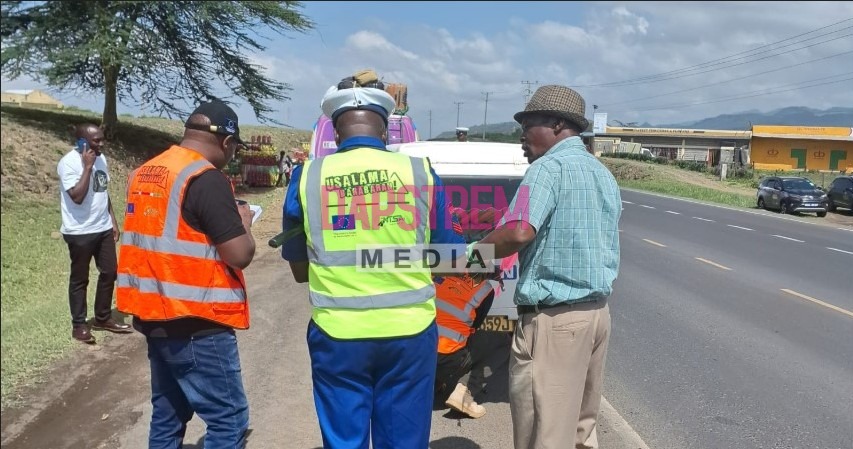
NTSA Director-General Nashon Kondiwa announced the impending crackdown on Thursday, November 26, 2026, during the launch of the Msimu Bila Ajali road safety campaign at Mlolongo along the Nairobi-Mombasa Road in Machakos County.
The announcement comes after the authority recorded more than 1.7 million traffic violations involving drivers and vehicles over the previous 30 days. Speeding accounted for approximately 740,000 of the reported violations, making it one of the biggest concerns facing the country’s road safety regulator.
Kondiwa described the figures as alarming, warning that the authority could no longer allow dangerous driving habits to continue unchecked. He maintained that the enforcement measures were intended to protect lives and ensure that motorists take greater responsibility for their conduct on the roads.
According to the NTSA chief, the planned suspensions will specifically affect individual driving licences rather than vehicle licences or operating permits issued to public service vehicle (PSV) operators and transport companies.
The authority has already suspended approximately 15,000 driving licences over the preceding month as part of its enforcement activities. The latest announcement signals a significant expansion of the exercise, with hundreds of thousands of additional motorists facing possible restrictions within a short period.
Kondiwa explained that drivers who have received instant traffic fines but have failed to pay or formally raise complaints against the penalties will be among those targeted. The authority intends to suspend their licences until the outstanding matters are resolved.
He further warned that affected motorists would be required to undergo fresh driving tests before their licences could be reinstated. The retesting process is expected to establish whether drivers possess the necessary skills, knowledge and discipline to operate vehicles safely.
The decision places motorists with outstanding traffic penalties under increased pressure to address their records before attempting to use public roads. It also highlights the growing importance of complying with traffic regulations as NTSA expands its use of technology to monitor road users.
Speeding remains a major concern
The latest crackdown has placed particular attention on speeding, which accounted for approximately 740,000 of the 1.7 million traffic violations recorded by NTSA within 30 days.
Speeding remains one of the most dangerous behaviours on Kenyan roads because it reduces the time drivers have to react to unexpected situations. It also increases the distance required to stop a vehicle and makes collisions more likely to result in serious injuries or fatalities.
A driver travelling at excessive speed may struggle to respond to pedestrians crossing the road, vehicles suddenly changing lanes, unexpected obstacles or motorists making dangerous overtaking manoeuvres.
The risks become even greater on busy highways, where vehicles travel at different speeds and road users frequently compete for limited space. In areas with heavy traffic, poor visibility or damaged road surfaces, speeding can quickly turn an ordinary journey into a serious accident.
NTSA has repeatedly warned motorists against treating speed limits as optional instructions. The authority believes that many accidents could be prevented if drivers exercised greater caution and respected the rules governing road use.
Kondiwa argued that speeding was a deliberate decision made by drivers rather than something determined by the condition of a road or the type of vehicle being operated. He urged motorists to change their behaviour and recognise the responsibility that comes with holding a driving licence.
The figures also raise questions about the effectiveness of existing road safety measures. Despite public awareness campaigns, traffic enforcement operations and regulations governing vehicle operations, the number of recorded violations remains high.
For NTSA, the challenge is to move beyond occasional roadside inspections and establish a system that can identify dangerous motorists consistently.
Commercial and public service vehicle drivers face increased scrutiny
Although the crackdown will affect private motorists, commercial vehicle operators and public service vehicle drivers are expected to account for a significant proportion of those targeted.
These categories of motorists play an important role in Kenya’s transport and economic systems. Public service vehicles transport millions of passengers every day, while trucks and other commercial vehicles support the movement of goods across the country.
However, their operations also expose passengers and other road users to serious risks when drivers ignore traffic regulations.
Long-distance commercial drivers often face demanding schedules, congestion and pressure to reach destinations within specific timelines. Such conditions can encourage dangerous practices, including speeding, inadequate rest and reckless overtaking.
Public service vehicle drivers also operate in highly competitive environments, particularly on busy commuter routes. Pressure to pick up more passengers, make additional trips and maximise daily earnings can sometimes contribute to reckless driving.
NTSA has therefore indicated that enforcement will pay particular attention to commercial and public transport operations.
The authority has also raised concerns about driver fatigue, especially among truck drivers travelling long distances along major transport corridors such as the Northern Corridor.
Fatigue can affect concentration, reaction time and decision-making, making it dangerous for drivers to continue operating vehicles when they are exhausted.
The authority has previously introduced measures intended to improve the management of commercial vehicle operations, including technology-based monitoring systems. However, some of the proposed commercial vehicle regulations have faced legal challenges, complicating their implementation.
The latest crackdown is expected to strengthen pressure on transport operators to monitor their drivers more closely and ensure that their fleets comply with existing safety requirements.
NTSA targets 25,000 vehicles over suspected speed limiter interference
Beyond the planned suspension of driving licences, NTSA has also announced action against approximately 25,000 vehicles whose inspection status has been suspended following concerns over possible interference with speed limiters.
The authority said investigations had established that some vehicles fitted with speed-limiting devices continued recording excessive speeds.
This raised suspicions that the devices may have been tampered with, modified or interfered with to allow vehicles to travel beyond prescribed limits.
Speed limiters are intended to prevent vehicles from exceeding specified speeds, particularly in categories where excessive speed presents significant risks to passengers and other road users.
Their effectiveness, however, depends on proper installation, maintenance and compliance by vehicle owners and operators.
If drivers or vehicle owners interfere with these devices, the purpose of the safety requirement is defeated. Such conduct can expose passengers and other motorists to unnecessary danger.
By suspending the inspection status of the affected vehicles, NTSA intends to ensure that they undergo the necessary checks before returning to normal operations.
The authority has also warned that it will take further action against vehicles found operating in ways that threaten public safety.
This approach demonstrates that the crackdown is not limited to individual drivers. Vehicle owners and transport operators are also expected to take responsibility for ensuring that their vehicles meet the required safety standards.
Technology to strengthen traffic enforcement
Another major development emerging from the announcement is NTSA’s decision to increase the use of technology in identifying traffic offenders.
The authority has rolled out a new mobile application for traffic police officers following a training exercise in Naivasha. The application is expected to give officers access to more comprehensive information about drivers and vehicles during roadside inspections.
Through the system, enforcement officers will be able to establish whether a motorist or vehicle has complied with relevant regulatory requirements.
The technology is also expected to reduce opportunities for drivers to use another person’s driving licence or avoid enforcement by presenting documents that do not belong to them.
Instead of relying entirely on physical documents and manual inspections, officers will increasingly use information available through the authority’s systems to establish the compliance status of motorists.
This represents a shift towards intelligence-driven enforcement, where decisions are supported by information collected through surveillance systems, road inspections and other government agencies.
The approach could make it easier to identify repeat offenders and drivers whose records show unresolved violations.
It also places greater responsibility on motorists to ensure that their personal and vehicle information is accurate and up to date.
As technology becomes more central to traffic enforcement, drivers may find it increasingly difficult to avoid accountability for violations recorded through official monitoring systems.
However, the effectiveness of the new approach will depend on the accuracy of the information collected, the reliability of the technology and the ability of motorists to challenge incorrect penalties.
Msimu Bila Ajali campaign targets festive season accidents
The planned licence suspensions are being implemented under the broader Msimu Bila Ajali campaign, which NTSA has introduced ahead of the December holiday season.
December is traditionally a busy period on Kenyan roads as families travel to their rural homes, tourists visit different destinations and businesses increase their transport activities.
Major highways connecting Nairobi to other parts of the country often experience increased traffic during the festive season. The movement of passengers, private vehicles, buses and commercial trucks creates additional pressure on road infrastructure.
The increased activity can also expose motorists to greater risks, particularly when drivers become impatient, exceed speed limits or operate vehicles for extended periods without adequate rest.
NTSA’s campaign seeks to encourage safer driving practices while strengthening compliance with existing traffic regulations.
The launch at Mlolongo was accompanied by random vehicle inspections conducted jointly by NTSA officials and traffic police officers.
During the exercise, officers checked motorists’ compliance with various road safety requirements, including valid insurance, driving licences and seat belt use.
Such inspections are expected to continue along major roads as the authority increases surveillance during the festive period.
The campaign also seeks to remind passengers that road safety is not exclusively the responsibility of drivers. Passengers can contribute by wearing seat belts, avoiding overcrowded vehicles and refusing to board vehicles whose drivers appear intoxicated, exhausted or reckless.
Motorcycle riders and pedestrians also remain important groups in the wider road safety discussion, particularly because they are vulnerable when involved in collisions with larger vehicles.
NTSA has indicated that enforcement will extend to motorcycle riders and operators whose conduct contributes to dangerous road conditions.
Road accidents remain a serious national concern
The latest measures come against the background of persistent road safety challenges in Kenya.
Thousands of people continue to lose their lives in road accidents every year, while many others suffer injuries that affect their ability to work and support their families.
Figures reported in November indicated that more than 4,500 people had died in road crashes across the country since the beginning of 2026. Although the figure was below the 5,009 deaths recorded in 2025, the number remains a major concern for authorities and road safety organisations.
Behind these statistics are families who lose loved ones, children who grow up without parents, businesses that lose employees and communities that must cope with the long-term consequences of road accidents.
Road crashes also place additional pressure on hospitals, emergency response services and public resources.
The human and economic cost makes road safety an issue that requires consistent attention rather than occasional campaigns introduced during holiday periods.
Speeding, reckless overtaking, drunk driving, overloading, poor vehicle maintenance and driver fatigue are among the behaviours and conditions that can contribute to serious accidents.
Addressing these problems requires cooperation between drivers, vehicle owners, transport companies, passengers, law enforcement agencies and government institutions.
NTSA has also acknowledged that enforcement alone cannot eliminate accidents. The condition of roads, availability of road signs, pedestrian facilities and the management of accident-prone locations remain important parts of the wider safety challenge.
The authority has identified approximately 290 road black spots that require attention. Estimates from the Kenya National Highways Authority indicate that addressing some of the infrastructure deficiencies at these locations could require approximately Sh2.8 billion.
This highlights the need for investment in safer road infrastructure alongside stricter enforcement.
What the crackdown means for ordinary motorists
For private motorists, the announcement serves as a reminder to check their driving records and address any outstanding traffic penalties.
Drivers who have received instant fine notifications should establish whether the penalties are valid and take the appropriate steps to settle or formally dispute them.
Ignoring official notifications could expose motorists to additional enforcement action, including the suspension of their driving licences.
Those who believe they have been wrongly penalised should use the recognised complaint channels rather than simply disregarding the notices.
Motorists should also ensure that their driving licences remain valid, their vehicles have the necessary insurance and inspection documents, and all required safety equipment is in good condition.
The planned suspensions could have serious consequences for people who depend on driving for their livelihoods. Commercial drivers, delivery workers, taxi operators and PSV drivers may lose their ability to work if their licences are suspended.
For this reason, motorists are being encouraged to take the announcement seriously and avoid waiting until they encounter enforcement officers to discover that their licences have been affected.
Drivers should rely on official NTSA communication and platforms when checking their compliance status. They should also remain cautious of individuals claiming to offer unofficial ways of clearing penalties or reversing suspensions.
The authority’s decision not to publicly disclose the identities of affected motorists is linked to data protection requirements. Instead, individual drivers are expected to receive notifications, with their suspension status reflected in the relevant NTSA enforcement systems.
The need for fair and transparent enforcement
While the crackdown has been presented as a road safety intervention, its implementation will also raise questions about fairness, accuracy and accountability.
Motorists need access to reliable information about alleged violations, the evidence supporting the penalties and the procedures available for challenging decisions.
Automated enforcement systems can improve efficiency, but they must also operate accurately and transparently. Incorrect vehicle identification, disputed speeding records or technical errors could expose innocent motorists to penalties they do not deserve.
For the public to have confidence in the system, NTSA must ensure that drivers can access clear information and receive fair consideration when they raise genuine complaints.
The authority must also communicate the suspension process clearly so that motorists understand what is required to resolve outstanding matters and regain their driving privileges.
At the same time, drivers should recognise that the right to challenge a penalty does not remove their responsibility to obey traffic regulations.
The success of the crackdown will ultimately depend on whether it produces safer roads and more responsible driving behaviour rather than simply increasing the number of penalties issued.
A warning that road safety enforcement will continue
NTSA has made it clear that the latest operation will not end with the Christmas holiday season.
Kondiwa said enforcement would continue beyond the festive period, describing road safety compliance as an ongoing responsibility rather than a temporary government campaign.
This means motorists should expect continued surveillance, roadside inspections and technology-driven monitoring even after the December holidays.
The authority’s message is that drivers must change their behaviour and understand that violations can attract consequences regardless of when or where they occur.
For Kenya, the wider objective is to create a road environment where motorists respect speed limits, transport operators prioritise passenger safety and all road users understand their responsibilities.
The planned suspension of 300,000 driving licences represents a major enforcement announcement and signals NTSA’s intention to take a tougher position against traffic offenders.
However, the long-term success of the initiative will depend on consistent implementation, transparent procedures, better road infrastructure and public cooperation.
As thousands of Kenyans prepare to travel during the festive season, the authority is urging motorists to exercise caution, avoid unnecessary risks and respect traffic regulations.
Ultimately, a driving licence is not simply permission to operate a vehicle. It comes with a responsibility to protect passengers, pedestrians and other motorists. NTSA’s latest crackdown is a reminder that reckless decisions on the road can have consequences far beyond the driver behind the wheel.