
Türkiye Confirms Plans to Strengthen Somalia’s Navy and Coast Guard in Major Maritime Security Push
Türkiye has reaffirmed its commitment to strengthening Somalia’s naval and coast guard capabilities as the two countries deepen their defence and economic cooperation. The support will involve training personnel, improving operational capabilities and developing naval infrastructure, in a move aimed at helping Somalia protect its extensive coastline, combat maritime threats and safeguard its natural resources.
Türkiye has confirmed plans to strengthen Somalia’s Navy and Coast Guard as part of an expanding partnership aimed at improving maritime security and rebuilding the country’s defence institutions.
The announcement represents another important development in relations between Ankara and Mogadishu, which have steadily expanded their cooperation in defence, military training, infrastructure and economic development.
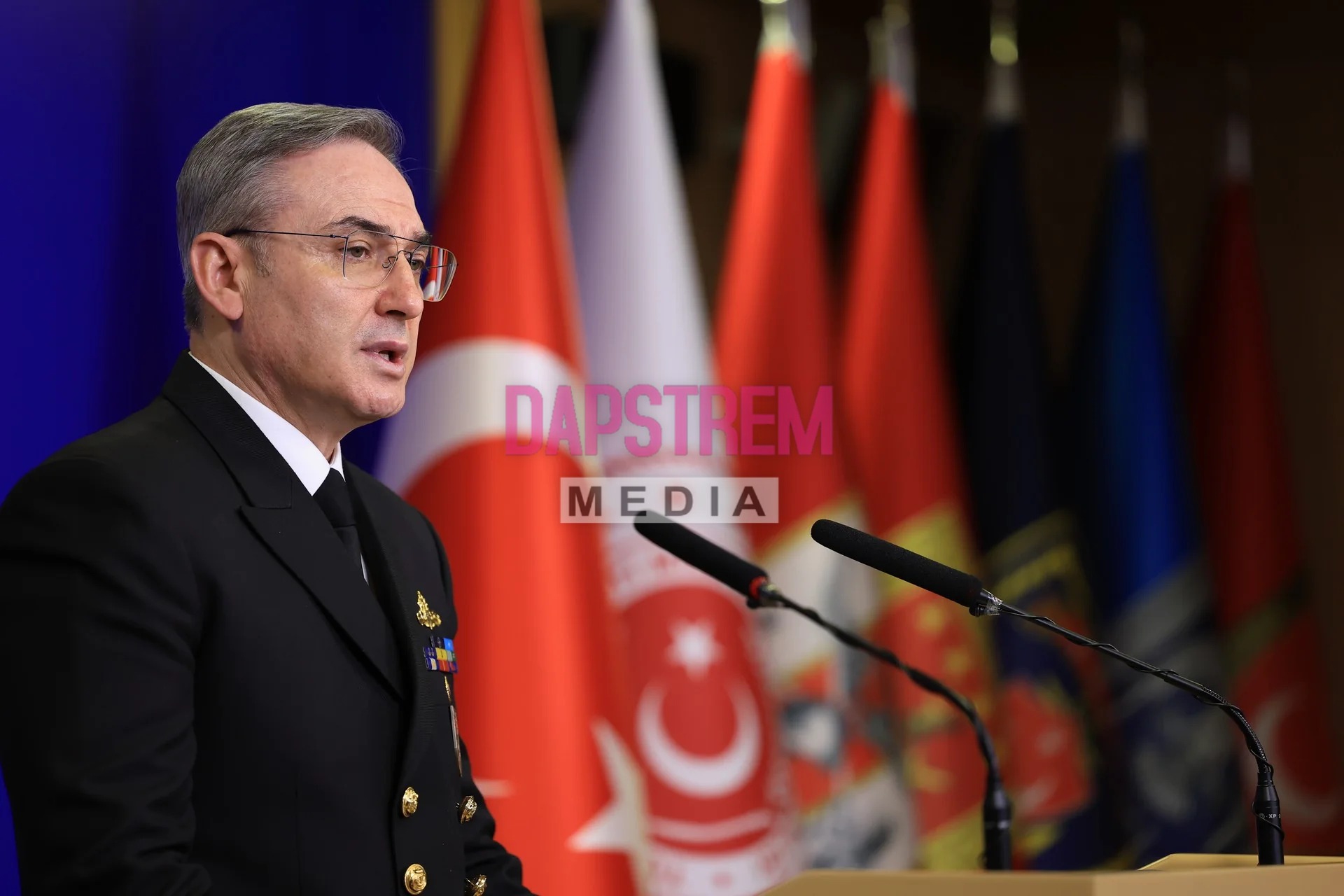
Speaking during a weekly press briefing on Thursday, November 26, 2026, Turkish Ministry of Defence spokesperson Rear Admiral Zeki Aktürk said Türkiye would continue supporting Somalia in securing its coastline, internal waters and maritime zones.
He explained that the support would include training and improving the operational capabilities of the Somali Navy and Coast Guard.
Aktürk also confirmed that naval facilities currently being developed in Somalia form part of the broader cooperation between the two governments. However, he noted that discussions were still ongoing regarding the facilities, their construction timelines and the specific responsibilities Türkiye would undertake.
The announcement comes as Somalia intensifies efforts to rebuild its military institutions after years of instability, insecurity and limited government control over parts of its territory.
For Mogadishu, strengthening the navy and coast guard is an important step towards establishing greater control over its maritime territory and protecting resources found along its coastline.
The development also reflects Türkiye’s growing strategic involvement in the Horn of Africa, where it has become one of Somalia’s most important international partners.
A Strategic Partnership Focused on Maritime Security
The latest announcement builds on a defence and economic cooperation framework agreement signed between Türkiye and Somalia in February 2024.
The agreement established a long-term partnership through which Türkiye committed to helping Somalia build, train and equip its navy.
It also provides a framework for cooperation in protecting Somalia’s maritime territory against piracy, illegal fishing, smuggling and other security threats.
The agreement is particularly important because Somalia possesses one of Africa’s longest coastlines, making maritime security essential to its national security and economic future.
For years, the country’s waters have faced different security challenges, including piracy, illegal fishing and trafficking activities.
These threats have affected the ability of the Somali government to exercise effective control over its maritime territory and protect its marine resources.
The absence of sufficiently equipped naval forces has also created difficulties in monitoring the country’s waters and responding to suspicious maritime activities.
Türkiye’s support is expected to help address some of these challenges by strengthening the personnel, equipment and infrastructure available to Somali maritime security agencies.
The partnership is designed to give Somali forces greater capacity to patrol their waters, respond to emergencies and protect important maritime activities.
It also reflects a broader effort to make Somalia less dependent on foreign security assistance over time by developing institutions capable of handling national security responsibilities independently.
Under the framework, Türkiye is expected to provide technical assistance, training and equipment while supporting the development of the infrastructure required for effective naval operations.
The Somali government has welcomed the cooperation as an important part of its efforts to rebuild national defence institutions and strengthen sovereignty.
New Naval Facilities Signal Somalia’s Growing Ambitions
The latest confirmation comes just days after Somalia took another major step towards rebuilding its naval capabilities through the groundbreaking of a new naval headquarters in Mogadishu.
On November 21, 2026, Somali President Hassan Sheikh Mohamud joined Türkiye’s Chief of General Staff, General Selçuk Bayraktaroğlu, during a ceremony to lay the foundation stone for the new facility.
The event marked an important milestone in Somalia’s efforts to establish a stronger institutional foundation for its navy.
The project is expected to provide a central facility for naval administration, command and operational coordination.
Officials also announced plans involving a Maritime Operations Coordination Centre and additional facilities connected to the Turkish Naval Task Force’s Barbaros Base.
The developments are intended to improve coordination between maritime security agencies and strengthen the country’s ability to monitor and respond to threats along its coastline.
President Hassan Sheikh Mohamud emphasised the importance of developing a capable navy supported by trained personnel, modern equipment and appropriate facilities.
His government has consistently argued that protecting Somalia’s territorial waters and marine resources requires stronger national institutions.
The naval headquarters project is therefore part of a wider strategy to rebuild the country’s defence capabilities and improve its ability to protect its territory.
The participation of Türkiye’s senior military leadership in the groundbreaking ceremony also demonstrated the importance Ankara attaches to the partnership.
General Bayraktaroğlu held discussions with Somali officials on strengthening defence cooperation, improving military capabilities and supporting joint efforts against security threats.
Although the exact construction costs and completion timelines for the facilities have not been publicly established, the project represents a significant step towards modernising Somalia’s maritime security infrastructure.
Fighting Piracy and Illegal Fishing
One of the major objectives behind strengthening Somalia’s Navy and Coast Guard is to address maritime insecurity.
Somalia’s waters have historically experienced piracy, which has threatened international shipping and complicated commercial activities along important maritime routes.
Although international naval operations helped reduce piracy incidents over the years, the threat has not disappeared completely.
The recent resurgence of piracy concerns in the wider region has reinforced the need for stronger maritime surveillance and response capabilities.
A properly equipped navy can help Somalia monitor suspicious vessels, conduct patrols and respond to threats before they escalate.
The coast guard also plays an important role in protecting maritime activities, enforcing regulations and responding to emergencies at sea.
Illegal fishing is another major concern for the Somali government.
Foreign fishing vessels operating without proper authorisation have been accused of exploiting marine resources without adequate oversight or payment to the Somali authorities.
Such activities threaten the livelihoods of local fishing communities and reduce the economic benefits Somalia could obtain from its fishing industry.
Strengthening maritime enforcement would help the government monitor fishing activities, identify unauthorised operations and protect marine resources.
It would also improve Somalia’s ability to regulate commercial fishing and ensure that activities in its exclusive economic zone comply with national laws and international maritime regulations.
For a country seeking to rebuild its economy, protecting its marine resources is an important national priority.
A stronger navy and coast guard could therefore contribute not only to security but also to economic development.
Türkiye’s Expanding Military Presence in Somalia
Türkiye’s latest commitment is part of a much wider military relationship that has developed over more than a decade.
Ankara increased its involvement in Somalia in 2011, when the country was experiencing severe humanitarian and security challenges.
Since then, Türkiye has become an important partner in humanitarian assistance, infrastructure development, education and military cooperation.
One of the most significant parts of this relationship is the TURKSOM military training facility in Mogadishu.
Opened in 2017, the facility is Türkiye’s largest overseas military training base and has played a major role in developing Somalia’s armed forces.
Thousands of Somali soldiers have received training through programmes conducted by Turkish military instructors.
The training has focused on improving military discipline, operational capabilities and the ability of Somali forces to respond to security threats.
Türkiye has also supported Somalia through military equipment, technical assistance and cooperation between the two countries’ defence institutions.
The relationship has expanded further through naval cooperation and the deployment of Turkish military vessels to Somali waters.
In October 2026, Türkiye announced plans to send two naval warships, TCG Gökçeada and TCG Yıldırım, to Somalia carrying military equipment and supplies.
The deployment formed part of the wider naval cooperation between the two countries.
Türkiye has also maintained a military presence aimed at supporting Somalia’s security institutions and contributing to operations against militant groups.
In July 2026, the Turkish Parliament approved a further two-year extension of the country’s military mission in Somalia, allowing the deployment to continue until July 2028.
The extension covers cooperation in counterterrorism, maritime security and efforts to combat piracy, illegal fishing and smuggling.
These developments demonstrate that Ankara’s involvement in Somalia extends beyond occasional military assistance.
It has become a long-term strategic partnership involving several areas of national security and economic cooperation.
The Fight Against Al-Shabaab Remains a Priority
Although maritime security is receiving increasing attention, Somalia continues to face serious security challenges on land.
The militant group Al-Shabaab remains one of the biggest threats to the country’s stability, regularly carrying out attacks against government institutions, security forces and civilians.
The Somali government has been conducting military operations aimed at weakening the group’s influence and restoring government authority in affected areas.
Türkiye has supported these efforts through military training, equipment and cooperation with Somali security institutions.
Strengthening the country’s armed forces is particularly important as Somalia works towards taking greater responsibility for its own security.
The development of a capable navy and coast guard is part of this wider security strategy.
While naval forces cannot independently eliminate the threat posed by Al-Shabaab, they can help prevent militants and criminal networks from exploiting maritime routes for illegal activities.
Improved maritime surveillance could also make it more difficult for criminal networks to move weapons, supplies and other materials through coastal areas.
The cooperation between Türkiye and Somalia is therefore connected to a broader objective of strengthening national security across both land and maritime environments.
The government in Mogadishu is also preparing for changes in the international security presence as African Union forces gradually reduce their involvement in the country.
This has increased the importance of building capable Somali security institutions that can take responsibility for protecting the country.
Türkiye’s continued military support is expected to play an important role in that transition.
Protecting Somalia’s Economic and Natural Resources
Beyond military security, strengthening the Somali Navy and Coast Guard could have major economic implications.
Somalia’s coastline offers considerable opportunities in fishing, maritime trade, transportation and offshore energy exploration.
However, these opportunities can only be fully exploited when the country has sufficient capacity to protect its waters and regulate activities taking place within its maritime territory.
Illegal fishing, piracy and maritime smuggling can discourage legitimate investors and undermine confidence in commercial operations.
A stronger maritime security system could help create a safer environment for businesses interested in investing in Somalia’s fishing and shipping industries.
The country’s offshore energy potential has also become an important part of its economic relationship with Türkiye.
Turkish Petroleum has been involved in offshore exploration activities in Somalia, with the Turkish drillship Çağrı Bey arriving in Mogadishu in April 2026 for an offshore drilling campaign.
The exploration activities have increased the strategic importance of protecting Somalia’s maritime territory.
Offshore energy operations require security arrangements that protect drilling vessels, supply ships, workers and other infrastructure from potential threats.
Naval patrols can help secure these operations while improving the government’s ability to monitor activities taking place in its waters.
The growing cooperation between Ankara and Mogadishu therefore connects maritime security with wider economic ambitions.
For Somalia, the long-term objective is to develop an economy that can benefit from its natural resources while maintaining control over the country’s territorial waters.
However, the success of these ambitions will depend on transparent agreements, responsible resource management and the ability of Somali institutions to enforce national laws.
Türkiye’s Growing Influence in the Horn of Africa
The strengthening of Somalia’s naval capabilities also reflects Türkiye’s expanding influence across the Horn of Africa.
The region occupies an important geographical position, connecting the Indian Ocean, the Gulf of Aden and the Red Sea.
These waterways are essential to international shipping, with commercial vessels transporting goods between Africa, Asia, Europe and the Middle East.
Security in the region therefore has implications beyond Somalia’s borders.
Türkiye has increasingly positioned itself as an important security and development partner for countries in the region.
Its relationship with Somalia has become one of the most visible examples of this strategy.
Through military training, infrastructure development, humanitarian assistance and economic cooperation, Ankara has established a significant presence in Mogadishu.
The partnership also gives Türkiye an opportunity to strengthen its diplomatic and strategic position along important maritime routes.
For Somalia, cooperation with Türkiye provides access to military expertise, equipment and infrastructure that could otherwise take considerable time and resources to develop independently.
However, the growing relationship also places responsibility on both governments to ensure that their cooperation serves Somalia’s long-term national interests.
The partnership must strengthen Somali institutions rather than create permanent dependence on foreign military assistance.
The Challenge of Building a Self-Reliant Navy
Despite the promising developments, rebuilding a functional navy and coast guard will require more than constructing new facilities or providing military equipment.
Somalia will need a sufficient number of trained personnel capable of operating and maintaining naval vessels, communication systems and surveillance equipment.
It will also require sustainable funding to cover salaries, fuel, maintenance, repairs and other operational expenses.
Naval operations can be expensive, particularly when a country has an extensive coastline that requires continuous monitoring.
The government must therefore develop a long-term financial plan that allows the navy and coast guard to operate effectively beyond the period of direct foreign assistance.
Another important consideration is coordination between different security agencies.
Effective maritime security requires cooperation between the navy, coast guard, police, intelligence services and other relevant government institutions.
Without clear responsibilities and reliable communication systems, even well-equipped security forces can struggle to respond effectively to emerging threats.
Somalia will also need to establish strong legal and administrative frameworks governing maritime activities.
These should include effective procedures for dealing with illegal fishing, piracy, smuggling and other violations of maritime regulations.
The support from Türkiye provides an opportunity to address some of these challenges, but the ultimate responsibility for maintaining maritime security will remain with the Somali government.
Conclusion
Türkiye’s confirmation that it will strengthen Somalia’s Navy and Coast Guard marks another significant development in the growing relationship between the two countries.
The planned support, which includes training, improved operational capabilities and the development of naval infrastructure, is expected to help Somalia strengthen control over its maritime territory.
The cooperation comes at a critical time as Mogadishu works to rebuild its security institutions, fight terrorism, combat piracy and protect valuable marine resources.
The recent groundbreaking of a new naval headquarters in Mogadishu further demonstrates the country’s determination to establish a stronger maritime security system.
For Türkiye, the partnership reinforces its growing strategic presence in the Horn of Africa and strengthens its relationship with one of its closest regional partners.
However, the real success of the initiative will depend on whether Somalia can develop a capable and financially sustainable navy that can independently protect its waters in the future.
Ultimately, a stronger Somali Navy and Coast Guard could contribute to national security, economic development and regional stability.
As cooperation between Ankara and Mogadishu continues to expand, the coming years will be important in determining how effectively the partnership translates into lasting maritime security for Somalia.